
Jutye Sanitary Jutye Sanitary

Why Use a Floor Drain Hair Catcher?

Time:2026-11-07 Author:Sophia
0%

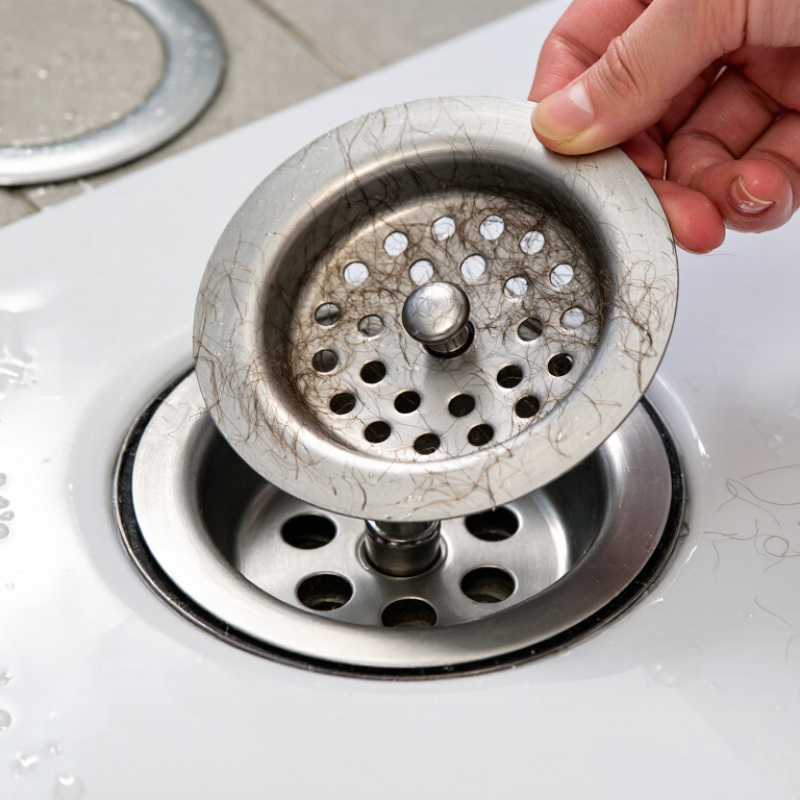
A shower can leave more behind than soap and warm water. Loose hair slips toward the drain, where it may catch on soap residue and collect over time. A Floor Drain Hair Catcher provides a simple barrier before strands move deeper into the plumbing. It is a small bathroom accessory, but its value becomes clear when you lift it and see what would otherwise be out of sight.

The right catcher should fit the drain opening securely without blocking normal water flow. Mesh and perforated designs can trap hair, though their performance depends on the opening size, placement, and regular cleaning. Nothing works unattended. A quick rinse after showers can prevent a damp, tangled layer from building up on the surface. It is not magic. And a catcher cannot fix an existing clog or replace appropriate drain maintenance.

This guide explains why homeowners and renters may choose a Floor Drain Hair Catcher, what features to compare, and how to care for one. We will look at fit, material, ease of removal, and practical cleaning habits. A detail that seems minor can affect everyday use: a loose-fitting catcher may shift, while a difficult-to-clean design may stay dirty longer than intended. There is no single best option for every drain. Checking your drain dimensions and observing how quickly water flows are sensible first steps. Even then, small amounts of hair may pass through. That is worth remembering.
Why Use a Floor Drain Hair Catcher?

How Floor Drain Hair Catchers Intercept Hair Before It Enters the Drain

A floor drain hair catcher creates a simple barrier between loose hair and the drain opening. Depending on its design, it may sit over the grate or fit inside the drain. Water passes through its slots or mesh, while longer strands collect on the surface. During a shower, hair can loosen gradually and stick to soap residue around the drain. Small strands matter. A catcher makes them easier to spot before they travel deeper into the pipe. After showering, check the surface and remove any visible buildup; a quick rinse can help clear residue.

Fit matters. A catcher that shifts underfoot or leaves wide gaps may let hair pass around it. It can also slow drainage when hair and soap coat its openings. This is not a perfect filter, and very fine strands may slip through. Check water flow regularly, and clean the catcher before water begins pooling. If the drain still runs slowly after cleaning, the cause may be farther down the pipe. A hair catcher helps with routine maintenance, but it cannot fix every blockage. One small drawback: remembering to clean it is part of the job.

Why Hair and Soap Residue Contribute to Drain Blockages

Why Use a Floor Drain Hair Catcher?
Why Hair and Soap Residue Contribute to Drain Blockages

Hair may look harmless when it slips through a floor drain, but strands can tangle around the grate or settle inside the pipe. Soap residue adds a sticky film. It can bind loose hair, lint, and skin cells into small clumps that gradually catch more debris. In a shower, this buildup may slow drainage and leave water pooling around your feet. It rarely happens all at once.

A floor drain hair catcher helps intercept hair and larger particles before they travel deeper into the plumbing. That can make routine cleaning simpler and reduce the material available to form a blockage. It will not stop soap residue from collecting, though, and a catcher that is not cleaned can itself restrict water flow. The easy part is buying one; remembering to empty it is less glamorous.

Tips: Remove caught hair regularly, especially after busy shower days. Rinse the catcher and check that water flows freely. If a drain stays slow after cleaning, the blockage may be farther down the pipe.

Why Use a Floor Drain Hair Catcher?

People typically shed about 50–100 hairs a day. Not all of that hair reaches a floor drain, but hair that does can tangle and trap soap residue, contributing to buildup. A hair catcher helps intercept hair before it enters the drain.

Source: American Academy of Dermatology. The midpoint shown is calculated from the cited range.

How Hair Catchers Help Protect Floor-Drain Traps

Why Use a Floor Drain Hair Catcher?

A floor drain hair catcher stops loose strands before they enter the drainpipe. This helps reduce hair buildup around the trap, where damp strands can collect with soap residue and lint. Over time, that mix may slow drainage or contribute to a blockage. A catcher does not repair a damaged trap or guarantee a clog-free drain. It adds a simple barrier at the drain opening. Small detail, useful protection.

Tips: Choose a catcher that sits flat and does not cover too much of the drain. After showering or cleaning, lift it out and remove the trapped hair. Rinse it regularly, since soap film can narrow its openings and slow water flow. Check that water still drains freely. If it pools, clean the catcher and inspect the drain.

Hair catchers need occasional attention, which is easy to forget. They may also miss fine strands or hair that slips around an ill-fitting edge. Still, keeping hair out of the trap can make routine drain maintenance easier. For persistent odors or standing water, the cause may be deeper than the catcher, so inspect the drain or contact a qualified plumber.

Why Use a Floor Drain Hair Catcher? - How Hair Catchers Help Protect Floor-Drain Traps

Situation What Can Happen Without a Hair Catcher How the Hair Catcher Helps Benefit to the Floor-Drain Trap Practical Care
Hair enters the drain during showering Loose strands can pass through the drain opening and collect in the drain or pipe. A mesh or perforated catcher holds hair near the surface for removal. Less hair reaches the trap and downstream pipework, reducing one common source of blockage. Remove collected hair regularly and rinse the catcher.
Hair combines with soap residue Hair can become entangled with soap residue and other debris, making buildup harder to clear. The catcher separates much of the hair before it can travel into the drain. Helps limit debris accumulation around the trap and drain passage. Clean the catcher before residue builds up or water begins draining slowly.
Drain is used by multiple people Repeated use can send more hair into the drain over time. A removable catcher provides a convenient collection point for hair between drain cleanings. Can reduce the frequency of hair-related maintenance in the trap and connected drain line. Check it often in busy bathrooms or shared wash areas.
Hair is removed during routine cleaning Hair caught inside the drain may be less visible and more difficult to retrieve. A surface-level catcher makes collected hair easier to see and remove. Supports routine drain care without requiring the trap to be opened for ordinary hair removal. Lift out the catcher carefully and dispose of hair in the trash.
Small debris accompanies hair Some debris may travel into the drain alongside hair and contribute to a clog. Depending on its opening size, a catcher can retain hair and some larger debris. Provides an extra barrier at the drain opening, though it does not replace the trap or plumbing maintenance. Choose a catcher that fits the drain and does not obstruct water flow.

Note: A hair catcher helps reduce hair entering a floor drain, but it does not prevent every clog. Keep the catcher clean and maintain the drain according to its design.

The IPC Requires a 2-Inch Minimum Trap Seal (2021 IPC §1002.4)

A floor drain hair catcher helps keep loose hair, lint, and larger debris out of the drain line. That matters near laundry areas, utility sinks, and showers, where small clumps can collect around the grate. Lift the catcher regularly and clear it over a bin. A clogged screen can slow drainage, too.

The trap beneath the drain holds water between the room and the sewer piping. Under the 2021 International Plumbing Code, Section 1002.4, a fixture trap generally needs a liquid seal at least 2 inches deep. That water barrier helps limit sewer gases entering the building. A hair catcher does not create or protect this seal. It only catches debris above the drain. Floor drains that rarely receive water can lose their seal through evaporation. This part is easy to overlook. Check the drain periodically, and follow local plumbing requirements, since code adoption and amendments vary by location. If you notice persistent odors or slow drainage, cleaning the catcher may help, but it may not address a dry trap or a deeper plumbing issue.

Choosing and Cleaning a Catcher to Maintain Drainage Flow

Why Use a Floor Drain Hair Catcher?

Choosing and Cleaning a Catcher to Maintain Drainage Flow

A well-fitted hair catcher can keep strands, lint, and soap residue from collecting deeper in a floor drain. Choose one that matches the drain opening and sits flat beneath or over the grate, according to its design. A loose edge can snag toes or let debris pass around it.

Small details matter.

Check that the catcher’s holes or mesh are open enough for water to pass freely, especially where showers produce a steady flow. Very fine mesh may catch more debris, but it can also clog sooner.

That trade-off is easy to overlook.

Lift the catcher regularly and remove hair before it forms a wet, compacted mat. Rinse it under running water, then use a soft brush and mild soap for residue around the openings. Dry it if the material or manufacturer’s care guidance calls for it, and put it back securely.

Keep it simple.

If water still drains slowly after cleaning the catcher, the blockage may be farther down the pipe; avoid forcing tools into the drain, and consider asking a qualified plumber to inspect it. Cleaning frequency depends on use, so check it more often when several people share the shower.

A weekly check is a useful starting point, not a rule.

FAQS

How does a floor drain hair catcher work?

It sits over the grate or inside the drain. Water passes through slots or mesh, while longer strands collect on top. Easy to spot.

Why can hair and soap slow a shower drain?

Hair can tangle near the grate or settle in the pipe. Soap residue forms a sticky film that traps hair, lint, and skin cells.

Can a hair catcher prevent every blockage?

No. Very fine strands may slip through, and soap residue can still build up. It helps with routine maintenance, not every clog.

How often should I clean the catcher?

Check it after showering, especially after a busy shower day. Remove visible hair and rinse away residue. It is easy to forget.

What happens if the catcher is not cleaned?

Hair and soap can cover its openings and slow water flow. Water may start pooling around your feet. Not ideal.

How can I tell if the catcher fits properly?

It should stay in place and leave no wide gaps around the drain. A loose catcher can let hair pass around it or shift underfoot.

What should I do if water still drains slowly after cleaning?

Check that the catcher is clear and water flows freely through it. If the drain remains slow, the blockage may be farther down the pipe.

Does a hair catcher remove soap residue?

No. It intercepts hair and larger particles, but soap residue can still collect in the drain. That limitation is worth remembering.

Conclusion

A Floor Drain Hair Catcher helps stop loose hair before it travels into the drain, where it can combine with soap residue and other debris. Hair tends to tangle and collect buildup, gradually narrowing the passage and slowing drainage. By capturing much of this material at the drain opening, a catcher can reduce the chance of blockages and make routine cleaning easier.

Keeping debris out of the drain can also help protect the floor-drain trap, which holds water to block sewer gases from entering the building. The 2021 International Plumbing Code, Section 1002.4, specifies a minimum trap seal of 2 inches. Choose a catcher that fits the drain without obstructing water flow, and clean it regularly to remove trapped hair and residue. Consistent maintenance helps the drain remain clear while allowing the trap to function as intended.

Sophia

Sophia

Sophia is a dedicated marketing professional with an exceptional depth of knowledge about her company's products and services. With a keen understanding of market trends and customer needs, she crafts insightful blog posts that not only inform but also engage readers, enriching the company’s online......