 Jutye Sanitary
Jutye Sanitary
Jutye Sanitary
When it comes to home plumbing, the Kitchen Sink Drain Pipe is often overlooked. However, it's a crucial component of any kitchen. According to plumbing expert Mark Johnson, "Choosing the right drain pipe can prevent future headaches and costly repairs." This emphasizes the importance of making informed decisions about your kitchen's drainage system.
There are several options available for Kitchen Sink Drain Pipe materials. Each option has pros and cons, making it essential to understand what suits your needs best. From PVC to stainless steel, the choices vary in durability and cost. For many homeowners, an improper choice might lead to leaks, clogs, or even water damage.
Many will rush into decisions without ample research. Taking the time to review your options ensures you invest wisely. A well-installed Kitchen Sink Drain Pipe can save you time, money, and stress in the long run. Being well-informed can transform your kitchen into a more functional space.
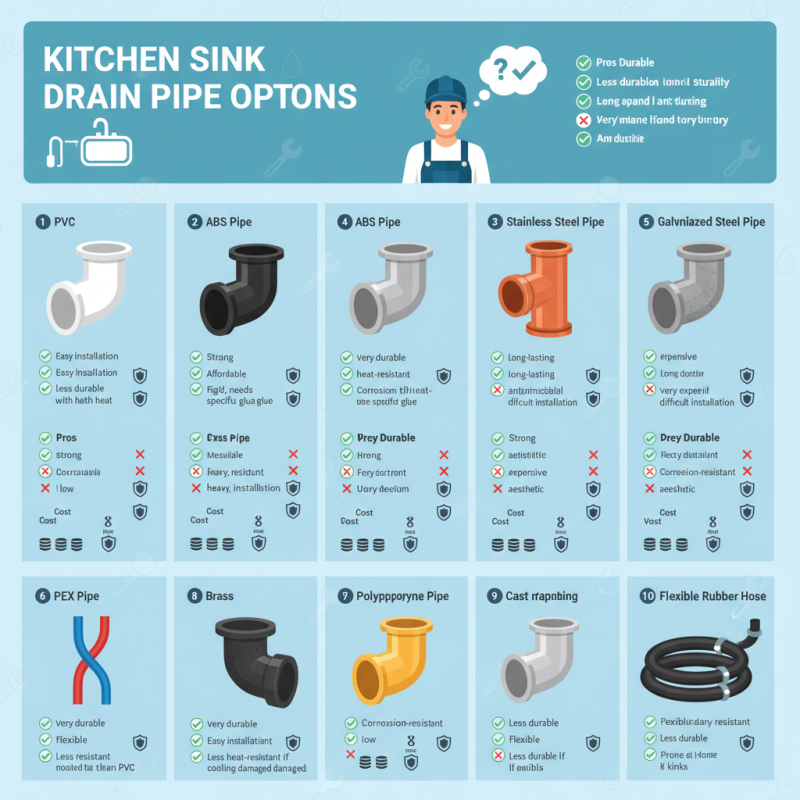
When choosing a kitchen sink drain pipe, it's essential to understand the different options available. Common materials include PVC, ABS, and metal. Each type has its benefits and drawbacks. PVC is lightweight and resistant to corrosion, making it a popular choice. However, it can be prone to cracking in extreme temperatures. ABS is strong and durable but can sometimes emit harmful fumes during installation. Metal pipes, often seen in older homes, offer excellent durability but may rust over time.
The size and shape of the pipe also matter. Standard diameters typically range from 1.5 to 2 inches. The right choice will depend on your sink's design and local plumbing codes. Curved pipes can help prevent clogs by allowing water to flow smoothly. Sometimes, homeowners encounter issues with pipe fittings not aligning properly, which can lead to leaks. It’s a frustrating experience that may require reinstallation.
Consider how your chosen drain pipe fits your overall kitchen layout. An effective pipe design can enhance drainage efficiency. Factors like accessibility for future repairs should not be overlooked. A well-planned pipe layout saves time and hassle later. While choosing a drain pipe may seem straightforward, the details are crucial for long-term functionality.
| Type | Material | Size (Diameter) | Advantages | Disadvantages |
|---|---|---|---|---|
| PVC | Plastic | 1.5 inch | Lightweight, corrosion-resistant | Can crack under pressure |
| ABS | Plastic | 1.5 inch | Strong, impact-resistant | Less UV resistance |
| Copper | Metal | 1.5 inch | Durable, antimicrobial properties | Expensive, can corrode over time |
| Stainless Steel | Metal | 1.5 inch | Corrosion-resistant, attractive | Can be prone to scratching |
| Galvanized Steel | Metal | 1.5 inch | Strong and durable | Can rust over time |
| Cast Iron | Metal | 1.5 inch | Very durable, noise-dampening | Heavy, can rust if not maintained |
| Flexible Hose | Plastic/Metal | Varied | Easy to install, adaptable | Less durable, can kink |
| Silicone | Rubber-like | Varied | Flexible, resistant to temperature changes | Less rigid, may degrade over time |
| Sewer Pipe | PVC/Metal | 4 inch | High flow capacity | Not suitable for sinks |
| Drain Strainer | Metal/Plastic | Varied | Prevents clogging, easy to clean | Needs regular maintenance |
: Common materials include PVC, ABS, and metal. Each has its advantages and disadvantages.
PVC is lightweight and corrosion-resistant. However, it can crack in extreme temperatures.
ABS is strong and durable but may release harmful fumes during installation.
The diameter typically ranges from 1.5 to 2 inches. It must fit the sink design and plumbing codes.
Misaligned fittings can cause leaks. This may require frustrating reinstallation to fix.
Focus on alignment and secure connections. Use a level and measure distances accurately.
Inspect for gaps or misalignments. Tighten fittings and check for leaks carefully.
It enhances drainage efficiency and facilitates future repairs.
Minor mistakes, like using incorrect washers, can lead to leaks later.
Address drips immediately. Ignoring them can result in more significant issues down the line.
In the quest for the ideal Kitchen Sink Drain Pipe, homeowners have various options to consider. This article provides a comprehensive overview of different types of drain pipes, comparing materials such as PVC, ABS, and metal to help you make an informed choice. Each material comes with its own set of pros and cons, affecting durability, cost, and installation ease.
Additionally, the article outlines essential installation guidelines for kitchen sink drain pipes, ensuring a proper fit and function. It addresses common issues that may arise, along with troubleshooting tips to maintain a seamless drainage system. Lastly, regular maintenance tips are highlighted to ensure the longevity of your kitchen sink drain system, helping to prevent clogs and leaks, ultimately saving you time and money.
