When it comes to fluid control in plumbing and industrial applications, the Angle Valve stands out as a vital component. These valves are designed to regulate water flow and maintain desired pressure levels effectively. Global buyers must navigate a variety of options, ensuring they select the right type to suit their specific needs.
Understanding the distinct types of Angle Valves can enhance decision-making. Each type has unique benefits and potential drawbacks. Considering factors such as material, pressure rating, and application is crucial. For instance, brass Angle Valves might offer durability, while plastic variants could provide lightweight solutions.
As buyers explore their options, it's essential to acknowledge that not every Angle Valve will meet every requirement. This reality often leads to oversight in choosing the optimal valve. Buyers should reflect on their particular challenges and understand that informed choices can significantly impact performance and longevity. The right Angle Valve can lead to efficient operation, but the wrong one can result in costly mistakes down the line.
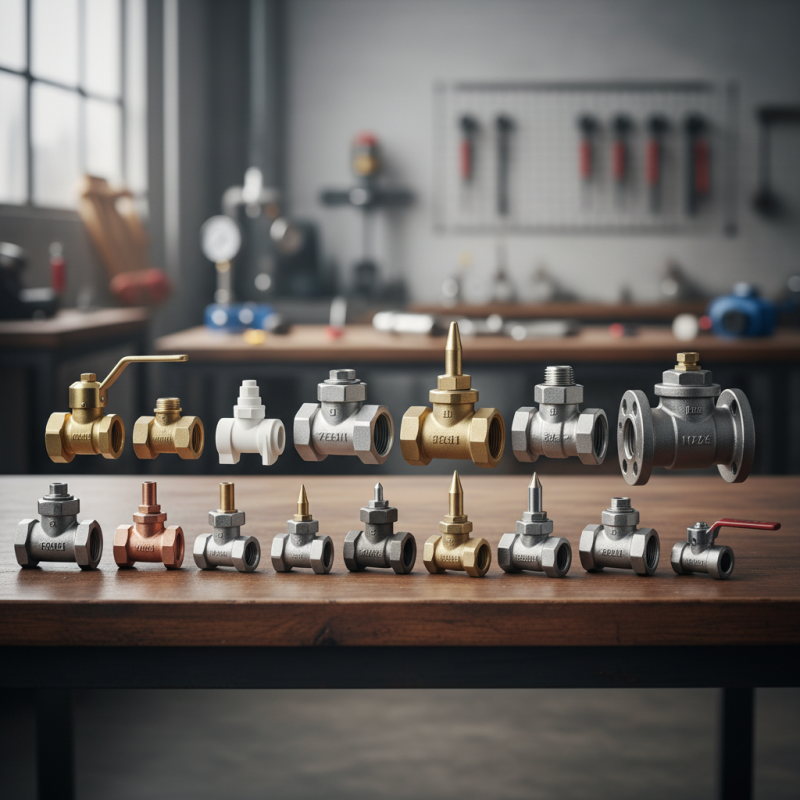
Types of Angle Valves: An Overview for Global Buyers
Angle valves are crucial components in various industries, managing the flow of fluids precisely. Understanding the different types of angle valves is essential for global buyers. There are manual and automatic options. Manual valves require physical operation, while automatic valves utilize actuators for remote control. This choice impacts maintenance and operational efficiency.
Another important classification is based on materials. Common choices include brass, stainless steel, and PVC. Brass is durable and cost-effective but may corrode over time. Stainless steel, while more expensive, offers excellent resistance to harsh environments. The selection greatly influences longevity and performance.
Buyers often overlook the valve’s size and pressure ratings, leading to mismatches in applications. If the valve is too small, it may restrict flow. Conversely, an oversized valve can lead to inefficiencies. Understanding these details ensures optimal functionality in fluid systems. It’s key to conduct thorough research, as mistakes in selection can be costly and time-consuming.
Key Features to Consider When Choosing Angle Valves
When selecting angle valves, buyers must evaluate various key features. The body material plays a crucial role. Common materials include brass, stainless steel, and PVC. Each offers unique advantages. For instance, stainless steel is durable and corrosion-resistant. According to recent industry reports, stainless steel valves hold about 40% of the market share due to their versatility.
Another essential consideration is the pressure rating. This determines how much pressure the valve can withstand. Valves with higher ratings, such as Class 300 or Class 600, are suitable for high-pressure applications. Misjudging pressure requirements can lead to valve failure. Data indicates that over 25% of failures arise from incorrect pressure specifications.
Additionally, the valve size must match the pipeline dimensions. A mismatch can cause leakage or inefficiency. A study found that improperly sized valves could reduce flow efficiency by as much as 15%. Buyers should be cautious, as purchasing decisions based solely on price can lead to costly mistakes. Balancing cost, quality, and specifications is critical for effective valve selection.
Comparison of Common Materials Used in Angle Valves
When considering angle valves, the choice of materials is crucial for functionality and longevity. Brass is a popular option, known for its corrosion resistance and durability. Studies indicate that brass can withstand high temperatures and pressures, making it suitable for various applications. However, improper installation can lead to leaks or malfunctions over time.
Stainless steel is another widely used material. Its excellent resistance to rust and staining ensures reliability in harsh environments. Data from industry reports suggest that stainless steel valves can significantly enhance performance life, yet their initial cost is often higher than other materials. Users must weigh long-term benefits against upfront investment.
PVC and CPVC are favored for their lightweight and cost-effectiveness. These materials are commonly used in chemical handling due to their resistance to harsh substances. However, their lower thermal resistance limits their applications in high-temperature scenarios. Evaluating material performance under specific conditions is essential for selecting the right angle valve.
Applications of Different Angle Valve Types Across Industries
Angle valves play a crucial role in various industries, ensuring fluid control and management. They are commonly used in water supply systems, HVAC setups, and chemical processing. According to a recent report by MarketsandMarkets, the global valve market is projected to reach $89.4 billion by 2026, with angle valves holding a significant share.
In the oil and gas industry, angle valves are utilized for their ability to handle high pressure and temperature environments. Their design allows for efficient flow regulation, vital in maintaining safety and operational efficiency. However, some sectors face challenges concerning corrosion and wear, which can impact valve longevity. Industry experts suggest regular maintenance and material assessment to mitigate these issues.
The food and beverage sector also relies on angle valves, particularly for sterilization processes. A study by Grand View Research indicates that the food processing equipment market will expand, driven by the need for hygienic designs. Angle valves, designed for easy cleaning, are essential in such applications. Yet, the need for regular inspections and compliance with health standards is paramount. Failure to adhere to these can lead to costly downtimes.
Guidelines for Selecting the Right Angle Valve for Specific Needs
When selecting an angle valve, various factors come into play. Material choice is crucial; brass and stainless steel are popular for durability. According to industry reports, brass valves can withstand pressures up to 400 psi, making them suitable for many applications. On the other hand, stainless steel valves excel in corrosive environments, ensuring longevity.
Size and connection type are equally important. Industrial settings may require larger diameters for efficient flow. A report by a leading plumbing association suggests that a 2-inch valve can significantly reduce pressure drops in large systems. However, smaller valves can be suitable for residential use, providing adequate control without excess weight.
Finally, consider the valve's design and functionality. Some models offer more precision in flow control, while others are basic. Regulatory compliance is critical. Many regions have standards, like ISO certification, that define minimum requirements. This can affect safety and efficiency. There’s a gap in awareness among buyers regarding these standards, which could lead to suboptimal choices.
FAQS
: Common materials include brass, stainless steel, and PVC. Each has unique advantages.
The pressure rating indicates how much pressure the valve can withstand safely.
Misjudging pressure can lead to valve failure. About 25% of failures are due to incorrect specifications.
Mismatched valve size can cause leakage or inefficiency. Improper sizing can reduce flow efficiency by 15%.
No, focusing only on price can lead to costly mistakes. Balance cost, quality, and specifications.
Stainless steel valves are durable and corrosion-resistant. They excel in harsh environments.
Compliance ensures safety and efficiency. Awareness of standards is often lacking among buyers.
Valve design affects flow control precision. Some models are better for specific control needs.
Brass valves can typically endure pressures up to 400 psi, making them versatile for many uses.
Larger valves can reduce pressure drops but must match overall system needs.
Conclusion
The article "Top 10 Angle Valve Types for Global Buyers to Consider" provides a comprehensive overview of the various types of angle valves available in the market. It outlines key features that buyers should consider, such as pressure ratings, installation requirements, and maintenance needs. Additionally, the article compares common materials used in angle valves, highlighting their advantages and drawbacks, which is crucial for making informed choices.
Furthermore, the article explores the diverse applications of different angle valve types across various industries, showcasing their significance in fluid control systems. It concludes with practical guidelines for selecting the right angle valve tailored to specific requirements, emphasizing the importance of understanding operational contexts and standards. This thorough analysis equips global buyers with essential insights to make strategic purchasing decisions.
 Jutye Sanitary
