When it comes to handling meat, durability and safety are paramount. Stainless steel meat hooks are essential tools in both commercial and home kitchens. They provide a reliable means of hanging, transporting, and preparing meat. Crafted from high-quality stainless steel, these hooks resist rust, corrosion, and wear, ensuring a long lifespan when properly cared for.
Choosing the right stainless steel meat hooks can be daunting. Various sizes and styles exist, each tailored for specific needs. A hook's design can impact its efficiency, ease of use, and safety. Therefore, understanding the features of these vital tools is not just helpful, it is necessary. Exploring options based on weight capacity, hook shape, and intended use will lead to better choices.
Reflecting on the right choices reveals that not all hooks are created equal. Inconsistent quality can lead to disappointment. Carefully evaluating brand reputation and materials can help avoid pitfalls. Moreover, a hook that works well in one scenario may not suit another, highlighting the importance of flexibility in selection.
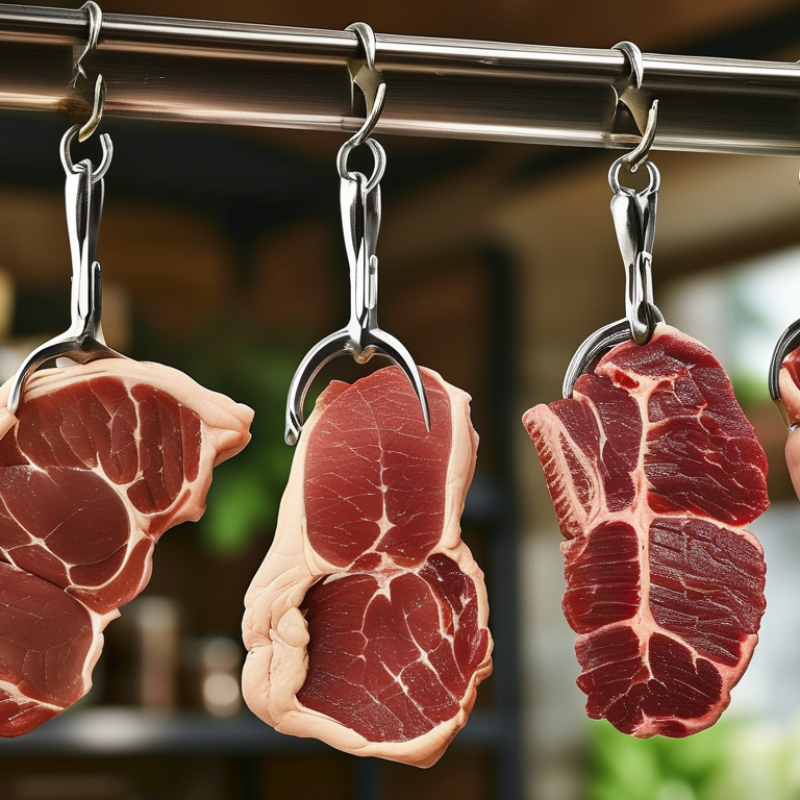
What Are Stainless Steel Meat Hooks?
Stainless steel meat hooks are essential tools for butchers, chefs, and home meat processors. They come in various shapes and sizes, suitable for different tasks. Made from durable stainless steel, they resist rust and corrosion, ensuring a long lifespan. These hooks provide a reliable way to hang meat for processing or curing. They can also assist in transporting heavy cuts safely.
Choosing the right stainless steel meat hook is crucial. Consider the weight capacity needed for your tasks. Hooks designed to hold larger cuts should be thicker and sturdier. Smaller hooks work well for lighter applications. Inspect the finish of the hook. A smooth surface will prevent meat from tearing while hanging.
It’s wise to rely on expert reviews when selecting your hooks, although not all claims are verified. Test the hooks before fully committing to them; a hook might look strong but could fail under pressure. Understanding these details can enhance your meat processing experience significantly.
Benefits of Using Stainless Steel Meat Hooks
Stainless steel meat hooks are essential tools for anyone who processes meat. They offer remarkable durability and resistance to rust and corrosion. You can use them in both home kitchens and professional settings. Their smooth surface allows for easy cleaning, making them safe and hygienic. In addition, stainless steel hooks can withstand heavy loads without bending or breaking.
Another benefit of stainless steel meat hooks is their versatility. They can hang various types of meat, from large cuts to smaller portions. This flexibility is invaluable for those who deal with different types of meat. However, not all stainless steel is created equal. It’s important to choose hooks made from high-quality materials to ensure longevity.
While opting for stainless steel, consider hook design and size. A poorly designed hook can lead to accidents or damage to the meat. Research and reading user reviews can help inform your choices. Amidst the many options, take the time to assess your specific needs. Each decision contributes to a more effective meat-processing experience.
Benefits of Using Stainless Steel Meat Hooks
Key Features to Look for in Meat Hooks
When choosing stainless steel meat hooks, several key features matter. Durability is essential. Look for hooks made from high-quality stainless steel, resistant to rust and corrosion. This ensures longevity, especially in humid environments like butcher shops.
The hook design is also critical. A slightly angled tip can facilitate piercing meat without causing excessive damage. Hooks with a smooth finish are easier to clean and maintain. Consider the weight capacity as well. Heavy-duty hooks can support larger cuts, ensuring safety during handling.
Another aspect to keep in mind is the size of the hooks. Too small can frustrate your work, while too large can be cumbersome. Think about your specific needs in the kitchen or shop. Investing in a few quality pieces rather than many can lead to better results. Reflect on your workflow and how each hook will fit into it.
What is Stainless Steel Meat Hooks and How to Choose Them? - Key Features to Look for in Meat Hooks
| Feature |
Description |
Importance |
| Material |
High-quality stainless steel, resistant to corrosion and rust. |
Ensures durability and longevity in usage. |
| Hook Size |
Available in various sizes to handle different types of meat. |
Choosing the right size facilitates easier handling of meats. |
| Weight Capacity |
Different hooks can support varying weights, from light to heavy cuts. |
Important for safely hanging heavier meats without breaking. |
| Finish |
Polished for easy cleaning and a professional appearance. |
A smooth finish prevents bacterial growth and enhances hygiene. |
| Ergonomic Design |
Designed for comfortable handling, often featuring a non-slip grip. |
Enhances user experience and reduces the risk of accidents. |
| Versatility |
Can be used for different meat types and other hanging tasks. |
Increases value as a multi-purpose tool in the kitchen or butcher shop. |
How to Properly Maintain Stainless Steel Meat Hooks
Stainless steel meat hooks are essential tools for butchers and home cooks alike. Proper maintenance is crucial to ensure their longevity and effectiveness. Cleaning your hooks after each use is a must. Use hot, soapy water and a non-abrasive sponge. Rinse thoroughly and dry immediately to prevent rust.
Tips for maintaining stainless steel meat hooks:
- Store hooks in a dry place.
- Avoid soaking them in water for long periods.
- Inspect them regularly for signs of wear or damage.
Even with proper care, wear and tear can occur. Over time, hooks may develop scratches or tarnish. It’s important to assess their condition regularly. Replace any hooks that show significant wear to maintain hygiene and safety. Remember, safety often outweighs cost when it comes to food handling tools.
Different Types of Stainless Steel Meat Hooks and Their Uses
When it comes to stainless steel meat hooks, understanding the different types and their uses is crucial. These hooks are essential for meat processing, whether at home or in professional kitchens. There are several types, including S-hooks, J-hooks, and double hooks.
S-hooks are versatile and can hold various cuts of meat. J-hooks, with their unique design, provide stability for hanging larger pieces. Double hooks offer extra support, preventing meat from slipping.
Choosing the right hook is not always simple. Consider the size and weight of the meat. If you're working with heavier cuts, a double hook may be necessary. Pay attention to the gauge of the steel; it affects the hook's strength and durability. Some might find that they need to adjust their approach, experimenting with different types for specific tasks. This trial and error can lead to better techniques and results over time.
Material quality is also vital. Stainless steel is preferred for its resistance to rust and corrosion. However, not all stainless steel is created equal. Some grades offer better durability and strength. Researching and understanding these grades can enhance your meat processing efforts. Sometimes, the right choice may require reflection and consideration of past experiences. Each type of hook has its advantages and drawbacks, making careful selection important.
Conclusion
Stainless Steel Meat Hooks are essential tools used in various meat processing and butchering tasks. These hooks are designed to handle heavy cuts of meat efficiently, providing strength and durability. The benefits of using stainless steel are immense, including resistance to corrosion and ease of cleaning, which are crucial for maintaining hygiene in meat handling environments.
When choosing stainless steel meat hooks, it's important to consider key features such as weight capacity, hook design, and the finish of the stainless steel to ensure longevity and functionality. Proper maintenance of these hooks, such as regular cleaning and proper storage, will help extend their lifespan. Additionally, different types of stainless steel meat hooks serve various purposes, from hanging larger cuts to aiding in smaller butchering tasks, making them indispensable for both professionals and home cooks alike.
 Jutye Sanitary
