
Jutye Sanitary Jutye Sanitary

Top 5 Sink Drain Tips to Prevent Clogs and Odors

Time:2026-05-25 Author:Isabella
0%

In the home plumbing industry, few issues are as common as the dreaded sink drain blockage. Expert plumber John Reynolds once stated, "Preventative measures are the best defense against sink drain issues." His experience sheds light on the importance of maintaining a clean and functional sink drain.

Clogs and unpleasant odors often stem from simple oversights. Food particles, hair, and grease accumulate over time, creating obstructions. Neglecting regular maintenance can lead to costly repairs and frustration. Simple practices, such as regular cleaning and using drain catchers, can significantly reduce risks.

Moreover, when drains are neglected, they can harbor bacteria and foul smells. Awareness and proactive measures can help maintain sink drain efficiency. Innovative solutions exist, but the basics should never be overlooked. Keep your sink drain in top shape to ensure a pleasant kitchen experience.
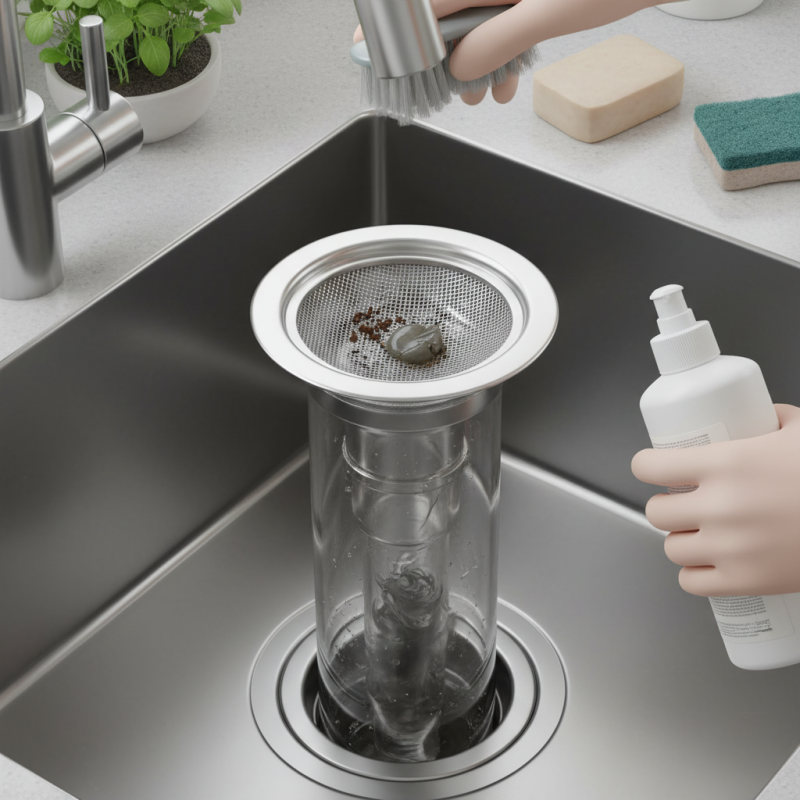
Top 5 Sink Drain Tips to Prevent Clogs and Odors

Essential Tools for Maintaining Sink Drains Effectively

Maintaining sink drains effectively requires the right tools. A plunger, a drain snake, and a wet/dry vacuum are essential for tackling clogs. These tools help prevent accumulation. According to the American Society of Plumbing Engineers, clogged drains account for around 80% of plumbing calls. Regular use of these tools can reduce such incidents.

Having a reliable drain cleaner is also valuable. Natural options, like baking soda and vinegar, can effectively break down buildup. Data from the Environmental Protection Agency shows that household chemical cleaners can contribute to water pollution. Therefore, eco-friendly options can be both effective and responsible.

Another key point is inspecting your sink regularly. Check for leaks, rust, or mineral buildup. Inspections can stop minor issues from escalating. The National Association of Home Builders reports that homeowners spend an average of $400 annually on preventable plumbing issues. This analysis highlights the importance of preventive maintenance tools in saving money in the long run.

Daily Habits to Minimize Food Waste Buildup in Sinks

Sinks can easily become a breeding ground for odor and clogs. Adopting daily habits can significantly reduce the buildup of food waste. Start by scraping leftover food directly into the trash or compost bin. This step helps prevent remnants from lingering in your sink.

Rinsing dishes immediately after use is another effective tactic. It only takes a moment, and it ensures that food particles don’t harden and cause blockages later. A quick rinse acts as a preventive measure. However, many still forget this simple step, resulting in stubborn clogs that are frustrating and unpleasant.

Using a sink strainer can catch smaller bits of food. This tool is often overlooked yet incredibly effective. Regularly clean it to keep odors at bay. Remember to do this daily, even if it feels repetitive. Developing these habits might seem tedious, but they save time and hassle in the long run. Adjusting routines may take effort, but clean sinks reward you with better kitchen hygiene.

Preventive Measures Against Common Sink Drain Odors

Preventing unpleasant odors in sink drains is essential for maintaining a fresh home environment. According to a report from the Plumbing and Drainage Institute, 80% of homeowners experience issues with odors originating from their kitchen and bathroom sinks. Regular cleaning and maintenance can significantly reduce these risks.

Using natural remedies can help combat common sink odors. For example, a mixture of vinegar and baking soda can effectively neutralize bad smells. This combination creates a fizzing reaction that removes grime and buildup. Pouring boiling water down the drain can also flush away soap scum and food particles that cause odors. Studies show that 65% of homeowners overlook such simple solutions.

Proper disposal habits play a critical role in odor prevention. Avoiding the disposal of grease, coffee grounds, and fibrous vegetables can prevent clogs and the subsequent foul smells. Additionally, cleaning the sink's drain strainer regularly is crucial. It’s often neglected, yet that small step can make a significant difference. Experts recommend checking the drain strainer at least once a week.

DIY Solutions for Unclogging Sink Drains Safely

Clogged sink drains can lead to unpleasant odors and slow drainage. Fortunately, there are simple DIY methods to keep your drains clear and fresh. One effective tip is to use a mixture of baking soda and vinegar. Pour half a cup of baking soda down the drain, followed by half a cup of vinegar. Let it fizz for about 30 minutes and then flush it with hot water. This combination can break down buildup without harsh chemicals.

Another handy tip involves using salt. Pouring half a cup of salt followed by boiling water can help dislodge minor clogs. The salt works by drawing moisture and debris away. It's a straightforward and safe method, but remember it may not be effective for severe blockages. After using these techniques, make sure to run hot water through the drain to keep it clear.

Regular maintenance is key. Try to avoid putting grease, hair, or food particles down the drain. Sometimes, we overlook how these habits can lead to bigger problems later. Use a drain strainer to catch debris and clean it regularly. It’s not a foolproof method, but it’s a step towards a better-maintained sink. A little effort can go a long way in ensuring your sink drains smoothly and odor-free.

Best Practices for Cleaning and Maintaining Sink Drain Systems

Maintaining a clean sink drain system is essential for preventing clogs and odors. Regular cleaning practices can significantly improve the functionality and lifespan of your drains. Using a simple mixture of baking soda and vinegar can help dissolve buildup and eliminate bad smells. Pour a cup of baking soda down the drain, followed by a cup of vinegar. Let it fizz for 20 minutes and then flush with hot water.

Another helpful tip is to be mindful of what goes down the drain. Avoid pouring grease, coffee grounds, or large food particles. These materials create blockages over time. Instead, dispose of them in the trash. A mesh strainer can catch debris before it enters the drain, reducing potential issues significantly.

To keep your drains fresh, consider monthly maintenance. Hot water can dislodge small clogs and refresh the pipes. Pour boiling water down the drain once a month. Remember, while these tips are useful, everyone may face unique challenges. Regular inspections and adjustments might be necessary, so it’s wise to stay vigilant about your sink drain’s condition.

Top 5 Sink Drain Tips to Prevent Clogs and Odors

Tip Description Frequency Effectiveness
Regular Cleaning Clean sink drains with hot water and mild soap weekly to remove buildup. Weekly High
Use a Drain Strainer Install a strainer to catch food particles and debris before they enter the drain. Always Very High
Baking Soda and Vinegar Use a mixture of baking soda and vinegar monthly to naturally clean drains. Monthly Moderate
Hot Water Flush Flush the drain with boiling water periodically to help dissolve grease. Bi-weekly High
Avoid Dumping Grease Never pour grease down the sink as it solidifies and can cause clogs. Always Critical

FAQS

: What tools are essential for maintaining sink drains?

: A plunger, drain snake, and wet/dry vacuum are crucial for tackling clogs effectively.

Why should I avoid harsh chemical cleaners?

They can contribute to water pollution. Eco-friendly alternatives are both effective and environmentally responsible.

How can regular inspections help my sink?

Inspecting for leaks or buildup can prevent minor issues from escalating into costly repairs.

What daily habits can reduce food waste buildup?

Scraping food into the trash, rinsing dishes immediately, and using a sink strainer are effective practices.

How does baking soda and vinegar unclog drains?

This mixture breaks down buildup naturally when left to fizz for about 30 minutes before flushing.

Why should I be cautious with DIY methods?

Some methods may not work for severe clogs. Regular maintenance is still necessary to prevent bigger issues.

How often should I clean my sink strainer?

It's best to clean it daily to avoid odors and clogs, even if it feels repetitive.

What can happen if I ignore sink maintenance?

Over time, minor problems can lead to serious plumbing issues, creating more frustration and cost.

How does salt help with clogs?

Salt draws moisture and debris away when combined with boiling water, helping to dislodge minor blockages.

What’s the best way to maintain drains in the long run?

Consistent preventive practices, like avoiding certain waste down the drain, can promote smooth drainage.

Conclusion

This article provides essential insights into maintaining sink drains to prevent clogs and unpleasant odors. It begins by outlining the essential tools required for effective sink drain maintenance, enabling homeowners to tackle issues proactively. Implementing daily habits can significantly minimize food waste buildup, reducing the likelihood of blockages.

The piece also emphasizes preventive measures against common odors that can emanate from sink drains, offering practical advice for homeowners. For those facing existing clogs, DIY solutions are presented, ensuring safe methods for unclogging sink drains without the need for harsh chemicals. Finally, best practices for regular cleaning and maintenance are discussed, aiding in the longevity and efficiency of sink drain systems. By following these tips, individuals can maintain a clean and functional kitchen environment.

Isabella

Isabella

Isabella is a dedicated marketing professional with a sharp focus on driving brand growth and engagement through strategic content creation. With an extensive background in digital marketing, she combines her passion for storytelling with her keen understanding of industry trends to deliver......