
Jutye Sanitary Jutye Sanitary

What Is a Grey Sink Drain and How to Choose the Right One?

Time:2026-05-11 Author:Ethan
0%

Choosing a grey sink drain is crucial for any kitchen or bathroom. The right drain enhances functionality and adds to the overall aesthetic. A grey sink drain typically integrates well with various decor styles. It can complement both modern and traditional interiors.

When selecting a grey sink drain, consider the material and design. Stainless steel, for example, is durable and resistant to rust. However, some may prefer plastic for its lighter weight and easier installation. Ensure the drain fits your sink's specifications securely.

A grey sink drain should seamlessly blend with your plumbing and fixtures. But not all drains are created equal. Quality varies significantly across brands. Weigh the pros and cons of each option carefully. Choosing the right drain is not just about looks; it’s about long-term reliability too.
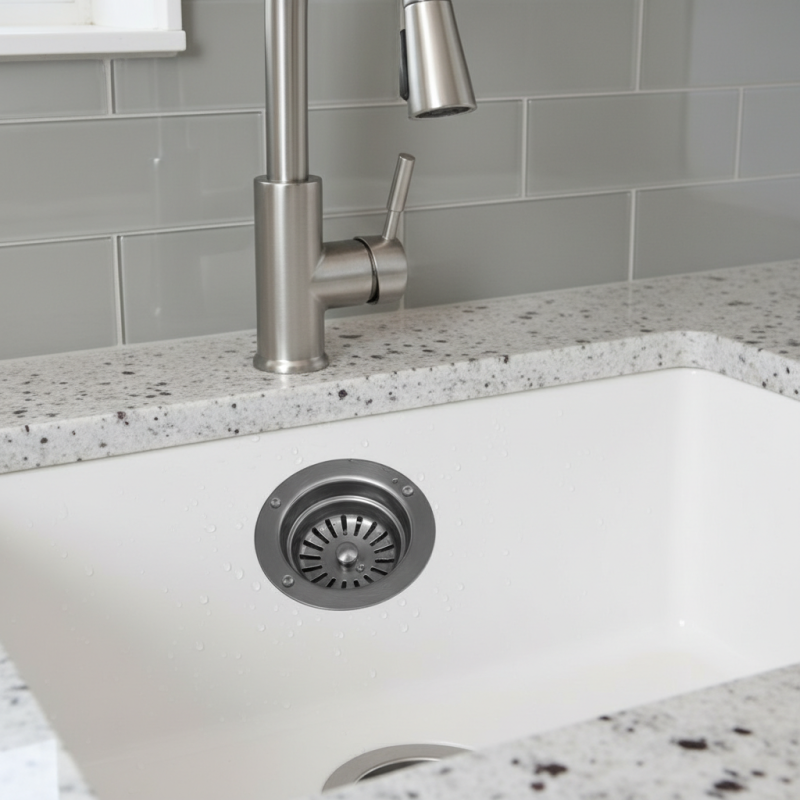
What Is a Grey Sink Drain and How to Choose the Right One?

Understanding Grey Sink Drains: Definition and Purpose

Grey sink drains are essential for efficient plumbing systems in homes. They primarily handle wastewater from kitchens and bathrooms. Understanding their definition and purpose helps in making informed choices when selecting one for your space.

These drains manage excess water and organic waste. Their design prevents clogs, allowing smooth drainage. Grey sink drains typically come in various materials, including PVC and stainless steel. Each material has its benefits, depending on the installation environment. It's crucial to consider the drainage capacity and maintenance needs as well.

**Tips:** Choose a drain that fits with your plumbing layout. Make sure to account for the size of your sink to avoid fitting issues. Regularly clean your drain to prevent buildup. This maintenance ensures longevity and normal flow. Remember, a well-chosen grey sink drain can save you from frequent repairs. Reflect on the installation process; ensure you feel comfortable with it or seek professional help when necessary.

Comparison of Different Types of Grey Sink Drains

Types of Grey Sink Drains: Materials and Designs

When selecting a grey sink drain, understanding the types available is essential. Grey sink drains come in various materials and designs. Common materials include stainless steel, plastic, and brass. Each has its advantages and can impact your sink’s overall look and function. Stainless steel is durable and resistant to corrosion. Plastic is lightweight and affordable but may be less durable. Brass offers a classic aesthetic but can tarnish over time.

Designs also vary. Some drains feature a simple, minimalist style, while others may incorporate decorative elements. Consider your sink's style and the overall theme of your space when choosing a design. A sleek drain can complement a modern kitchen, while an ornate design may suit a vintage bathroom. Ensure that the drain's size fits well with your sink’s dimensions.

Think about installation as well. Some drains are easier to install than others. You may need specific tools or skills for certain types. It's crucial to weigh your options carefully. Sometimes the easiest choice isn't the best for long-term use. Take time to reflect on what fits your needs the best.

Factors to Consider When Choosing a Grey Sink Drain

Choosing the right grey sink drain requires careful consideration of several key factors. First, the material plays a crucial role. Common options include stainless steel and plastic. Stainless steel is known for its durability and resistance to corrosion. Plastic, on the other hand, is lightweight and cost-effective. A study from the Plumbing Manufacturers International highlighted that 70% of homeowners prefer durable materials due to their longevity.

The size and compatibility of the drain are also critical. A drain that doesn't fit properly can lead to leaks and water damage. It's vital to measure the sink and check drain specifications before making a purchase. According to a report by the International Association of Plumbing and Mechanical Officials, improper sizing is a leading cause of plumbing issues in residential buildings.

Finally, functionality should not be overlooked. Some grey sink drains come with features like built-in strainers or anti-clog technology. These features enhance performance and reduce maintenance needs. However, the complexity of added features might require more frequent checks. Regularly evaluating your drain's performance can be beneficial. Preferences shift over time, making it essential to assess your needs periodically.

What Is a Grey Sink Drain and How to Choose the Right One? - Factors to Consider When Choosing a Grey Sink Drain

Factor Description Material Options Price Range
Capacity The flow rate and amount of waste your sink can handle. Plastic, Metal, Ceramic $10 - $50
Material Durability and resistance to corrosion and rust. Stainless Steel, PVC, Brass $15 - $70
Size Ensure it fits your sink and plumbing specifications. Standard, Large $5 - $30
Design Aesthetic appeal and compatibility with your sink style. Modern, Vintage, Industrial $10 - $100
Installation Ease of installation and compatibility with existing plumbing. DIY, Professional $0 - $200

Installation Process for Grey Sink Drains: A Step-by-Step Guide

Installing a grey sink drain can seem daunting, but with the right guidance, it becomes manageable. Begin by gathering necessary tools: a wrench, Teflon tape, and a bucket. Turn off the water supply. Remove the old sink drain carefully, taking care to avoid damaging the sink's surface. Sometimes, old parts stick stubbornly, requiring a bit of finesse.

Next, prepare the new grey sink drain. Apply Teflon tape to the threads to ensure a perfect seal. Position the drain into the sink hole. Fingers crossed, this part might be tricky. Align it correctly and tighten the lock nut beneath the sink. Ensure it feels secure but avoid overtightening, which can damage the sink.

Lastly, connect the drain to the plumbing system. This includes attaching the P-trap. Check all connections for leaks by turning the water supply back on. Adjustments may be necessary if leaks appear, necessitating a bit of patience. Taking time at each step is crucial to avoid future problems. Proper installation leads to a smoothly functioning sink.

Maintenance Tips for Keeping Your Grey Sink Drain in Optimal Condition

Maintaining your grey sink drain is essential for optimal performance. Regular cleaning can prevent clogs and odors. In fact, industry reports suggest that 80% of drain issues arise from a lack of maintenance. A simple weekly flush with hot water can help dissolve grease buildup.

Another important aspect is checking for leaks and corrosion. A 2021 study found that nearly 25% of homes experience some form of drain leakage. Early detection can save on costly repairs. Using a pH-neutral cleaner monthly keeps residue at bay without damaging the pipes.

Pay attention to what goes down the drain. Items like coffee grounds and grease can cause significant problems. A surprising 60% of homeowners are unaware of proper disposal techniques. Periodically inspect your drain for debris or unusual smells. These simple habits can enhance your drain's longevity.

FAQS

: What are grey sink drains?

: Grey sink drains handle wastewater from kitchens and bathrooms efficiently.

Why is regular maintenance important for grey sink drains?

Regular maintenance prevents clogs and odors, helping avoid costly repairs.

What materials are grey sink drains commonly made of?

Common materials include stainless steel, plastic, and brass, each with unique benefits.

How can I prevent clogs in my grey sink drain?

Regularly flush the drain with hot water to dissolve grease buildup.

What should I consider when choosing a grey sink drain?

Consider the size, style, and material of the drain for a proper fit.

Are some grey sink drains easier to install than others?

Yes, some designs require specific tools or skills for installation.

What can cause leaks in grey sink drains?

Corrosion and improper installation can lead to leaks, affecting performance.

How often should I clean my grey sink drain?

A weekly cleaning routine helps maintain optimal drain performance and prevents issues.

What should I avoid putting down the drain?

Avoid items like coffee grounds and grease that can lead to significant drain problems.

How can I detect early issues with my grey sink drain?

Periodically inspect for leaks, debris, or unusual smells to catch problems early.

Conclusion

A Grey Sink Drain is an essential component in plumbing that handles water discharge from sinks, particularly in kitchens and bathrooms. It is crucial to understand its definition and purpose, as well as the different types available, which vary in materials and designs. When selecting a Grey Sink Drain, several factors must be considered, including compatibility with existing fixtures, durability, and ease of installation.

The installation process can be straightforward with a step-by-step guide, allowing homeowners or plumbing professionals to properly set it up. To ensure a Grey Sink Drain functions effectively over time, regular maintenance is vital. This includes cleaning and checking for any blockages or wear, ensuring optimal performance and longevity. By being informed about these aspects, individuals can make better choices and keep their plumbing systems in good condition.

Ethan

Ethan

Ethan is a seasoned marketing professional with a deep expertise in our company's innovative product line. With a passion for sharing knowledge and insights, he takes the lead in regularly updating our corporate blog, where he explores industry trends, product features, and effective marketing......