A floor drain is an essential component in modern plumbing systems. It plays a crucial role in managing excess water and preventing flooding in various settings. According to John Smith, a plumbing expert with over 20 years of experience, "A well-installed floor drain can save homeowners from extensive water damage." Understanding how a floor drain functions can help ensure its effectiveness and longevity.
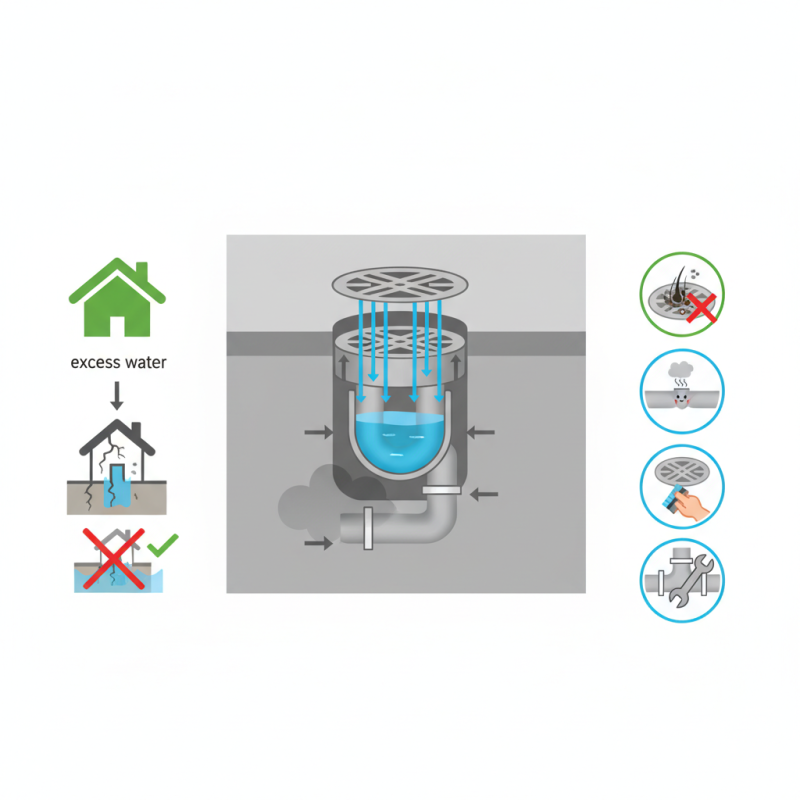
Water flows into the floor drain through gravity, allowing it to channel away excess liquid safely. The design typically includes a trap that prevents sewer gases from entering living spaces. However, even the best floor drains can face issues, like blockages from debris. Regular maintenance is essential. Neglecting this aspect may lead to unpleasant odors and potential backups.
Awareness of the common problems associated with floor drains is key. Simple actions like cleaning the grates and checking for clogs can make a big difference. Experts often note that many issues arise from a lack of knowledge. Investing time in learning about floor drains can ultimately save considerable resources. It's a small yet vital detail in home maintenance that should not be overlooked.
Definition and Purpose of a Floor Drain
A floor drain is an essential component in many building designs. Its primary purpose is to remove excess water from various surfaces. By doing so, it helps prevent flooding and water damage. They are commonly found in bathrooms, kitchens, and basements. When water collects, it flows into these drains, ensuring that areas remain dry and safe.
The design of a floor drain is quite simple yet effective. Typically, it includes a strainer that captures debris. This prevents clogs and maintains proper drainage. Many people overlook their maintenance. Over time, debris can accumulate, causing blockages. Regular cleaning is crucial. Without it, the drain may not function properly, leading to water pooling and potential damage.
Understanding how a floor drain works is vital for homeowners and property managers. It’s a straightforward system that requires attention. Proper installation and maintenance are keys to effectiveness. A well-maintained floor drain can save significant repair costs in the long run. However, it's easy to forget about them until a problem arises.
Different Types of Floor Drains and Their Applications
Floor drains come in various types, each designed for specific applications. Understanding these types can improve drainage efficiency and hygiene in different environments. For instance, trench drains are often found in commercial spaces. They offer a long, narrow design, ideal for areas with heavy foot traffic or water run-off, like loading docks. According to a report by the Plumbing and Drainage Institute, installing trench drains can reduce flooding risks by up to 30% in high-traffic zones.
In residential settings, standard floor drains are commonly installed in basements and bathrooms. These drains are essential for preventing water accumulation. They protect homes from potential water damage. Studies indicate that homes with well-placed floor drains have a 25% lower risk of water-related issues. Grease traps also play a critical role in restaurants. They prevent fats and oils from clogging sewage systems, enhancing overall hygiene.
Tips: Regular maintenance of floor drains is crucial. Simple tasks like clearing debris can enhance their efficiency. Homeowners should inspect drains periodically. This proactive approach helps identify any underlying issues before they escalate. Using proper drain covers can prevent clogs and ensure longevity.
How Floor Drains Are Installed: Step-by-Step Process
Installing a floor drain is a practical solution to manage water flow in bathrooms, basements, and kitchens. It's important to understand the step-by-step process to ensure proper installation. Start by selecting a suitable location, ideally in low spots where water naturally collects. Then, mark the area where you will cut the concrete or flooring. Safety is crucial here, so always wear protective gear.
Once the area is marked, use a concrete saw to create the hole. Be careful to avoid any plumbing or electrical lines. After cutting, clean the edges and prepare the site for the drain framework. This part can be tricky; make sure the drain is level and set securely. It's common to overlook the alignment, which may cause water pooling later.
Next, attach the drain to the plumbing system. Proper connections will prevent leaks. Many overlook this step, leading to costly repairs. Finally, test the drain before finishing the flooring. Pour water to ensure it drains properly. Address any issues before sealing everything up. Mistakes in this phase can lead to future headaches, so double-check your work.
Understanding the Mechanics: How Floor Drains Operate
Floor drains are vital components in various spaces, including kitchens, bathrooms, and commercial buildings. Understanding their mechanics can help ensure optimal functionality. These drains typically utilize gravity to move water. They have a trap that prevents unpleasant odors from escaping while allowing wastewater to flow freely.
According to industry reports, about 70% of plumbing issues revolve around clogs and poor drainage. Floor drains can alleviate these problems by managing water flow effectively. Their design often includes a strainer that catches debris and a bend or trap that retains water, maintaining a seal against sewer gases. However, maintenance is crucial. Neglected drains can lead to blockages, resulting in overflow and potential property damage.
A major drawback is that not all installations are uniform. Some drains may be poorly positioned, leading to inefficient water flow. Regular cleaning and inspection can mitigate this risk, yet many facilities overlook these tasks. By incorporating simple practices like periodic checks and professional cleanings, property owners can prolong the life of their floor drains and ensure a hygienic environment.
Water Flow Rates of Floor Drains
This bar chart illustrates the average water flow rates (in gallons per minute) for various types of floor drains found in different environments. Understanding these rates is essential for ensuring proper drainage and maintaining a safe and clean environment.
Common Issues and Maintenance Tips for Floor Drains
Floor drains play a vital role in homes and buildings. They help to manage excess water and prevent flooding. However, they can face several common issues over time. One key problem is clogging, often caused by debris, hair, or grease buildup. This blockage can lead to unpleasant smells or even flooding if not addressed promptly.
Regular maintenance can minimize these problems. Here are some useful tips:
- Check the drain cover regularly. Ensure it is free of dirt and grime.
- Pour hot water down the drain occasionally. This helps dissolve greasy buildup.
- Use a drain snake for deeper clogs. It can reach blockages that simple cleaning cannot.
Another concern is odor, often due to dried-out traps. Without water in the trap, harmful gases escape. To prevent this, run water down the drain regularly. This simple step keeps the trap full and odors at bay.
Neglecting floor drains can lead to bigger issues. It’s essential to inspect drains frequently and address minor issues early. Doing so can save time and money in the long run.
FAQS
: Floor drains vary by application, including trench drains for commercial areas and standard drains for homes.
Trench drains are often found in high-traffic commercial spaces, such as loading docks.
Standard floor drains help prevent water accumulation, reducing the risk of water damage by 25%.
Grease traps prevent fats and oils from clogging sewage systems, improving hygiene and flow.
Regularly clear debris and inspect drains to maintain optimal functionality and prevent serious blockages.
Many plumbing problems stem from clogs and poor drainage, affecting about 70% of installations.
Floor drains use gravity to move water and have traps to prevent odors and maintain flow.
Neglected drains can cause blockages, leading to overflow and potential damage to property.
No, poorly positioned drains may lead to inefficient water flow, affecting their performance.
Periodic checks, professional cleanings, and regular maintenance are essential for longevity and hygiene.
Conclusion
A floor drain is an essential component in various spaces such as basements, garages, and commercial kitchens, designed to remove excess water and prevent flooding. It typically consists of a drain cover, trap, and connecting pipe, which work together to ensure efficient drainage while minimizing odors. Different types of floor drains exist to cater to specific applications, including trench drains for larger areas and point drains for localized use.
Installing a floor drain involves a step-by-step process that begins with planning the location, followed by excavation, plumbing connections, and securing the drain in place. Understanding the mechanics of how floor drains operate, including gravity's role in water flow and the necessity of a trap to prevent backflow, is crucial for proper functionality. Regular maintenance is vital to avoid common issues like clogs or foul odors, ensuring the longevity and efficiency of the floor drain in any given environment.
 Jutye Sanitary
