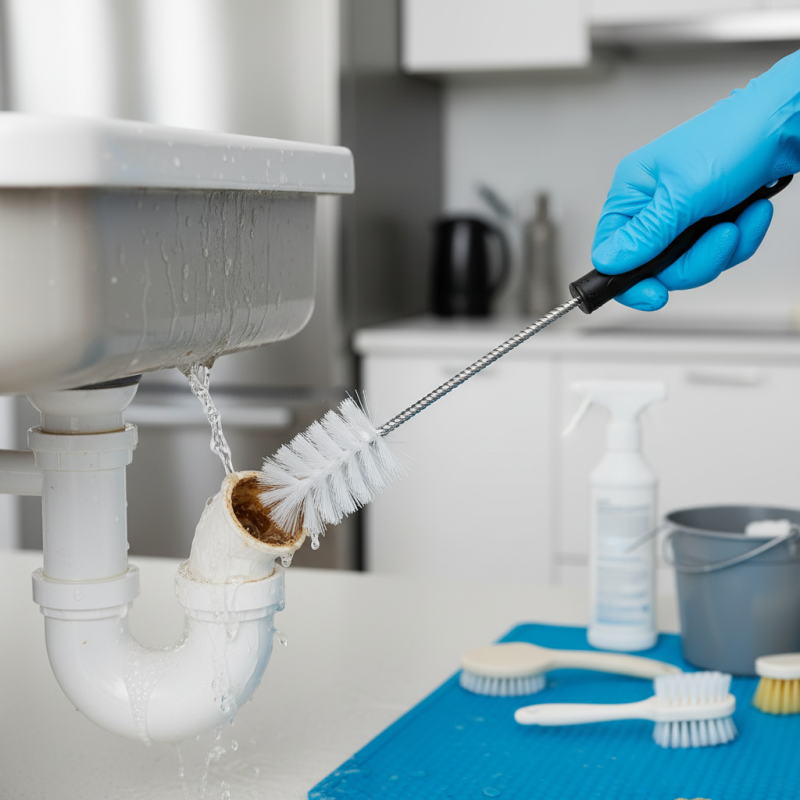
Maintaining a clean kitchen sink drain pipe is essential for a healthy home. According to John Smith, a plumbing expert with over 15 years of experience, "Regular Kitchen Sink Drain Pipe Wash can prevent serious blockages." His insights highlight the importance of proactive cleaning.
Many homeowners overlook their sink's drain pipe, leading to odors and slow drainage. Often, they don’t realize that debris can accumulate over time. A simple wash can go a long way in ensuring proper drainage. However, it's easy to forget about this crucial task in our busy lives.
While cleaning the drain pipe may seem daunting, it doesn’t have to be. With the right tools and techniques, you can tackle this chore effectively. Still, some may struggle with choosing the right cleaning agents. Others might rush through the process, not removing grime thoroughly. Reflecting on your cleaning habits can lead to improved maintenance practices.
Understanding the Importance of Cleaning Kitchen Sink Drain Pipes
Cleaning kitchen sink drain pipes is often overlooked. Many homeowners underestimate its importance. Over time, food particles, grease, and soap scum accumulate. This can lead to clogs and unpleasant odors. Regular cleaning helps prevent these issues and promotes a healthier kitchen environment.
A clean drain pipe enhances the overall functionality of your kitchen. It ensures proper waste disposal, which is essential for hygiene. When drains are clean, water flows freely, reducing the chances of an emergency blockage. Ignoring the cleanliness of drain pipes can also lead to more extensive plumbing issues.
Incorporating simple cleaning methods can make a significant difference. Boiling water works wonders in loosening debris. You can also use a mixture of vinegar and baking soda for a more thorough cleaning. However, some may find these methods ineffective. It’s crucial to reflect on your cleaning routine and adjust as needed. Awareness of the signs of buildup is key to maintaining your kitchen sink’s efficiency.
Gathering Essential Tools and Materials for Effective Cleaning
Cleaning your kitchen sink drain pipe effectively requires gathering the right tools and materials. According to a study from the Institute of Inspection, Cleaning and Restoration Certification, nearly 70% of homeowners face issues with clogged drains due to improper maintenance. To tackle this, start with essential tools like a plunger, a wrench, and a plumber's snake. These basic items are often overlooked but crucial for efficient cleaning.
Next, consider using natural cleaning agents such as baking soda, vinegar, and hot water. Data from the Environmental Protection Agency indicates that over 25% of household chemicals can harm indoor air quality. Opting for natural solutions can enhance your cleaning process while ensuring safety. You might encounter stubborn blockages that require patience and creativity in your approach. If the pipe is particularly dirty, using combined solutions may yield better results.
Be prepared for some trial and error. Sometimes, a simple plunger won't suffice. You might need to disassemble parts of the drain, which can be messy. Having towels on hand is wise to manage any spills. Understanding that cleaning drains can be a complicated process helps set realistic expectations. Embrace the imperfections in this task; it's part of maintaining a clean kitchen.
How to Clean Kitchen Sink Drain Pipe Wash Efficiently?
| Tool/Material |
Purpose |
Usage Instructions |
| Rubber Gloves |
Protect hands from chemicals and dirt |
Wear during the cleaning process |
| Drain Snake |
Clear blockages in the drain pipe |
Insert and rotate to dislodge clogs |
| Baking Soda |
Natural cleaner and odor eliminator |
Pour down the drain, followed by vinegar |
| Vinegar |
Breaks down grease and grime |
Mix with baking soda for effective cleaning |
| Hot Water |
Flushes out debris and helps dissolve buildup |
Pour down the drain after cleaning with other materials |
| Pipe Brush |
Cleans the insides of pipes |
Use to scrub the pipe interior gently |
Step-by-Step Guide to Removing the Drain Pipe
Cleaning the kitchen sink drain pipe can seem daunting. But with the right steps, you can tackle it efficiently. Begin by gathering your supplies: a bucket, a wrench, and gloves. Protective gear is essential. You don’t want to touch any debris directly.
Start by turning off the water supply under the sink. Once you're ready, place the bucket underneath the drain pipe. This catches any water or debris that may spill out. Carefully use the wrench to loosen the slip nuts on both ends of the pipe. Expect some mess—this is part of the process.
Remove the pipe gently to avoid damage. Inspect it closely; build-up and clogs are often hidden inside. Clean it using a brush and warm soapy water. Sometimes, you might find unexpected gunk, which can be frustrating. Remember, the goal isn't perfection, but better functionality. Reattach the pipe, ensuring it’s snug but not overtightened. Check for leaks after turning the water back on; a little patience makes a big difference.
Cleaning Kitchen Sink Drain Pipe Wash Efficiency
Techniques for Cleaning and Deodorizing the Drain Pipe
Cleaning the kitchen sink drain pipe can be an unpleasant task, but a clean drain is crucial for hygiene. Over time, food particles, grease, and soap scum can accumulate. This buildup can lead to unpleasant odors and clogs. To tackle these issues, using straightforward techniques can help keep your drain fresh.
Baking soda and vinegar are excellent for deodorizing and cleaning. Start by pouring half a cup of baking soda down the drain, followed by half a cup of vinegar. Let this mixture fizz for about 15 minutes. Then, flush with hot water. This combination breaks down grime and neutralizes odors effectively.
Tips: Keep the mixture on hand for regular maintenance. Once a month, repeat this process to prevent build-up. Additionally, avoid pouring fat or food scraps down the sink. Instead, use a compost bin. Small changes can make a significant impact on your drain's cleanliness.
Using a mixture of salt and hot water can also aid cleaning. Pour a cup of salt followed by boiling water down the drain. This method helps to dislodge stubborn debris and enhance the drain's flow. Trying different techniques may reveal what works best for your sink.
Remember, every kitchen is unique. It's essential to observe how your drain behaves and adjust your cleaning routine accordingly. Regular maintenance not only prevents clogs but also enhances your kitchen's overall freshness.
Reassembling and Maintaining Your Kitchen Sink Drain System
Reassembling your kitchen sink drain system can seem daunting. However, with the right approach and knowledge, it can be manageable. Begin by gathering necessary tools like a wrench, bucket, and a cleaning brush. According to industry reports, 80% of plumbing issues can be traced back to improper assembly or insufficient cleaning. Diligently cleaning each component before reassembling ensures longer-lasting performance.
When putting the sink drain system back together, it’s essential to follow manufacturer guidelines closely. Many homeowners overlook this step, leading to leaks or clogs later on. Precision is important. A loose fitting can create water damage, which affects both the structure of the kitchen and your wallet. Industry professionals note that approximately 30% of plumbing problems result from overlooked connections.
Regular maintenance is vital in preventing issues. Schedule routine cleanings every few months. Use vinegar and baking soda for a natural solution, which helps eliminate buildup. Data shows that homes that maintain their plumbing systems effectively can save up to 25% on repair costs annually. Maintaining your kitchen sink drain is not just about cleanliness; it's about ensuring your home functions smoothly.
Conclusion
Cleaning your kitchen sink drain pipe is an essential part of maintaining a healthy kitchen environment. Understanding the importance of this process ensures that you can prevent clogs and unpleasant odors. To start, gather the necessary tools and materials that will help you execute the task efficiently. A step-by-step guide outlines how to safely remove the drain pipe and provides various techniques for cleaning and deodorizing it, ensuring it functions optimally.
After thoroughly cleaning, it's crucial to reassemble the drain system properly to avoid future issues. Maintaining your kitchen sink drain pipe is not merely a one-time task; regular cleaning will keep it in good condition and extend its lifespan. Incorporating a routine "Kitchen Sink Drain Pipe Wash" can make all the difference in preserving a clean and functional kitchen sink.
 Jutye Sanitary