
Jutye Sanitary
Selfadhesive hooks have become essential tools for organizing and decorating homes. According to the Industry Research Institute, the market for selfadhesive hooks is expected to grow by 8.5% annually. These versatile products allow for easy application without the need for nails or tools. However, many users struggle with improper use.
Expert Karen Thompson, a renowned specialist in home organization, states, “Choosing the right surface is key to maximizing the effectiveness of selfadhesive hooks.” This highlights the importance of understanding various surfaces—such as tile, drywall, and metal—when applying these hooks. Many users fail to check surface compatibility, leading to frustration.
To avoid mistakes, it is vital to follow application guidelines. Mistakes can be costly. Users often overlook the necessary cleaning and drying of surfaces before application. Proper preparation can significantly enhance the durability of selfadhesive hooks. Reflecting on these practices can help users make the most out of their organizing efforts.
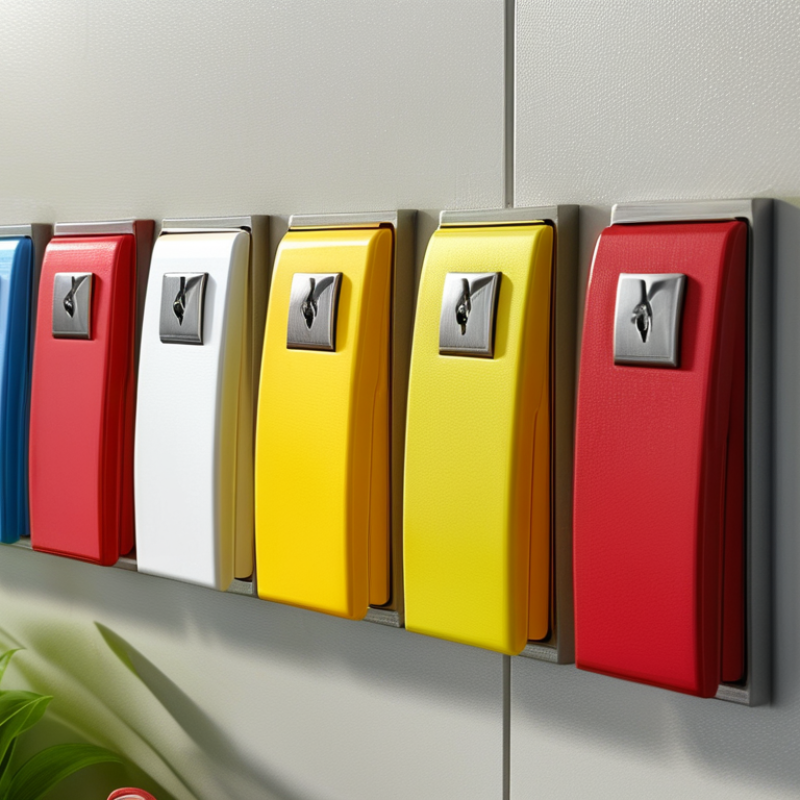
When it comes to self-adhesive hooks, selecting the right type for your specific needs is essential. These hooks come in various sizes and weight capacities. For heavier items, opt for hooks designed with a stronger adhesive and reinforced support. Consider the surfaces they will adhere to as well. Rough or porous surfaces may require a different type compared to smooth, flat areas.
Evaluate your needs carefully. Do you need a hook for organizing kitchen utensils or hanging decorative items? Think about how often you'll use them. Temporary hooks might work for seasonal decorations, while permanent solutions are better for everyday items. It's crucial to follow weight limits to avoid accidents. These small details can make a significant difference in the effectiveness of self-adhesive hooks.
Also, remember that not all hooks are created equal. Some may not hold well over time or may require special conditions to stick. It's worth testing a small sample before committing to larger installations. Sometimes, the ideal hook will perform underwhelmingly in real-life situations. Reflecting on your experiences with various hooks can lead to better choices in the future.
Preparing surfaces properly is crucial for maximum adhesion of self-adhesive hooks. First, clean the area thoroughly. Dust, dirt, and grime can weaken adhesion. Use a mild detergent and water to wipe down surfaces. Rinse well and dry completely. Even small residues can cause hooks to fall off prematurely.
Next, consider the type of surface you are attaching your hooks to. Some materials, like painted walls or tiles, require special attention. Ensure the surface is smooth and free from imperfections. Uneven surfaces make it harder for hooks to grip effectively. If necessary, lightly sand rough areas before cleaning.
Humidity and temperature also play a significant role in adhesion. It's best to apply self-adhesive hooks in a controlled environment. A dry, warm space can enhance the bond. However, avoid sticking them on surfaces exposed to moisture or heat, which can weaken the adhesive over time. Sometimes, even after following steps, hooks might not hold as expected. This could lead to frustration and a need to reevaluate your methods.
When it comes to installing self-adhesive hooks, proper techniques are crucial for optimal use. Start by ensuring the surface is clean and dry. Use rubbing alcohol to eliminate dust and grease. This step might seem minor, but it's essential for strong adhesion. A clean surface allows the adhesive to bond effectively.
Press the hook firmly against the surface. Hold it for about 30 seconds. This brief moment may require patience, but it greatly enhances stickiness. Avoid placing hooks in humid areas, such as bathrooms. The moisture can weaken the adhesive over time.
For heavy items, consider using multiple hooks to distribute the weight. It’s a simple trick that can prevent accidents. Sometimes, hooks can peel off unexpectedly. If this happens, take time to reassess the installation. Perhaps you missed a critical step. Rethink your approach, and try again for better results. Details matter when it comes to reliable hook installation.
| Tip | Description | Ideal Surface | Weight Limit |
|---|---|---|---|
| Clean Surface | Always clean the surface where the hook will be applied to ensure maximum adhesion. | Smooth Walls, Glass | Up to 5 lbs |
| Wait Before Use | After installation, wait at least an hour before hanging items to ensure the adhesive bonds well. | All Surfaces | Varies by hook |
| Weight Distribution | Distribute weight evenly if using multiple hooks to avoid any slipping. | Drywall, Tile | Up to 3 lbs per hook |
| Temperature Matters | Avoid installing hooks in extreme temperatures; room temperature is best. | Indoor Use | Up to 8 lbs |
| Test Before Committing | Hang an item gradually to test the hook's strength before using it regularly. | All Smooth Surfaces | Dependent on Hook Type |
Self-adhesive hooks are popular for their versatility and convenience. However, ensuring their longevity requires attention to detail. One key factor is the surface preparation. Research indicates that nearly 70% of adhesive failures stem from insufficient cleaning. Use isopropyl alcohol to clean surfaces before applying hooks. This step removes dirt and oils that weaken adhesion.
Another essential aspect is weight capacity. Most self-adhesive hooks can hold up to 5-10 pounds under optimal conditions. However, environmental factors like humidity can reduce this capacity. A study by the Adhesive and Sealant Council reveals that humidity can lower the adhesive's effectiveness by up to 30%. Consider avoiding areas exposed to excess moisture, like bathrooms.
Finally, the duration of stickiness can decline over time. It’s advisable to replace these hooks every 6-12 months, especially in high-traffic areas. Using hooks for heavy objects beyond their capacity can lead to accidents. Observing these guidelines helps maximize the functionality and life of self-adhesive hooks.
Self-adhesive hooks are versatile tools that can transform your living space. You can use them in multifaceted ways, ranging from organizing to decorating. For example, mounting hooks inside kitchen cabinets frees up counter space. Hang measuring cups or oven mitts on these hooks, making them easily accessible while cooking. This simple trick keeps your kitchen tidy and functional.
Another creative application is in the bathroom. Self-adhesive hooks can hold towels or robes without damaging walls. They are perfect for rental spaces where permanent fixtures aren't an option. Consider placing hooks behind the bathroom door; they take up minimal space but provide maximum utility. However, ensure that the surface is clean for proper adhesion to avoid frustrating falls.
Incorporating these hooks into your workspace can also boost productivity. Attach hooks to the side of your desk to organize cables and chargers. It creates a clutter-free working environment. Keep in mind that the weight capacity of self-adhesive hooks varies. Not every hook will hold heavy items securely. Always test before relying on them fully. This mindful approach encourages creativity but also necessitates some trial and error.
: Consider the size, weight capacity, and surface type for effective adhesion.
Clean the surface with rubbing alcohol and press the hook firmly for 30 seconds.
It’s not advisable. Humidity can weaken the adhesive over time.
Mount them inside cabinets for easy access to utensils and keep counters clear.
Yes, they are perfect for rentals where permanent fixtures aren't allowed.
Reassess your installation method and ensure the surface was properly prepared.
Yes, using multiple hooks can help distribute weight and prevent accidents.
Yes, testing small samples can prevent future frustrations and disappointment.
Attach hooks to organize cables and chargers, creating a clutter-free area.
Reflect on the installation and surface preparation to improve future choices.
Selfadhesive hooks are versatile tools that can greatly enhance organization and storage in any space. To make the most of selfadhesive hooks, it's essential to choose the right type based on weight capacity and intended use. Before installation, ensure surfaces are clean and dry to maximize adhesion, and follow proper techniques for mounting to prevent them from falling off. Additionally, taking steps to maintain your hooks, such as avoiding excessive weight or moisture, can extend their lifespan.
Creative applications for selfadhesive hooks abound in everyday life—from securing kitchen utensils to hanging up decorative items, they provide a practical solution for clutter management. By implementing these tips, you can effectively utilize selfadhesive hooks to create a more organized and efficient living environment.
