Choosing the right sink stopper is essential for a functional kitchen or bathroom. A good sink stopper not only enhances your sink’s usability but also helps prevent clogs and water wastage. With various types available, it can be challenging to find the perfect one that meets your specific needs.
When considering a sink stopper, think about the size and shape of your sink. An ill-fitting stopper can lead to leaks, making your life more complicated. Additionally, materials like rubber, silicone, or metal each have their benefits. A metal stopper may offer durability, while rubber ones are often easier to install and remove.
Take your time to reflect on how frequently you use your sink. A busy household may demand a more reliable stopper. Sometimes, people overlook the importance of this simple tool. Yet, making the right choice can save you frustration in the long run. Assess your needs carefully to ensure you pick a sink stopper that will serve you well.
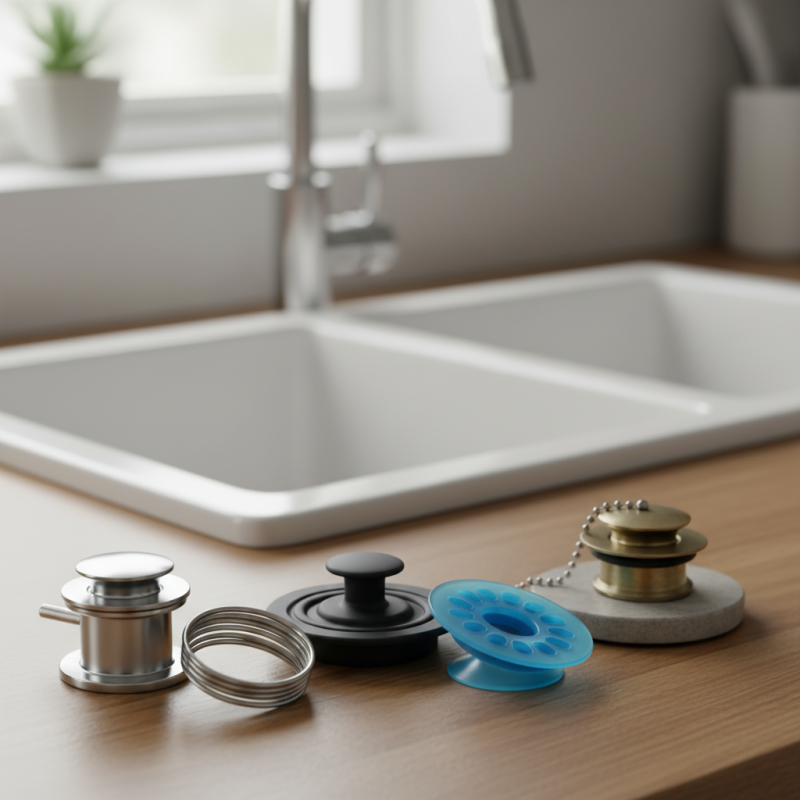
Understanding Different Types of Sink Stoppers Available in the Market
When selecting a sink stopper, it's essential to understand the various types available on the market. Not all stoppers are created equal, and your choice should depend on your specific needs and preferences. In 2022, the market for plumbing accessories, including sink stoppers, was valued at approximately $5 billion, showing a steady growth rate of 7% annually. This indicates a robust variety of options for consumers.
The most common types of sink stoppers include plug stoppers, pop-up stoppers, and basket strainers. Plug stoppers are simple and effective, often made of rubber or silicone, providing a tight seal. Pop-up stoppers, operated via a lift rod, cater to convenience, but they can become clogged with debris. Basket strainers are excellent for preventing food waste from entering the drain, yet they often require consistent cleaning to remain effective. Each type has its pros and cons, so careful consideration is important.
An important factor is compatibility with your sink type. Some stoppers may fit poorly, leading to leaks. A 2023 report indicated that nearly 30% of homeowners faced issues due to incorrect stopper choices. Choosing the right one involves not only understanding these types but also considering frequent usage and maintenance. Balancing functionality with ease of use is key in making an informed decision.
Factors to Consider When Choosing a Sink Stopper for Your Sink Type
Choosing the right sink stopper involves understanding your sink type and its specific needs. For instance, kitchen sinks often require stoppers that can handle food debris and grease. According to the Plumbing Manufacturers International report, approximately 70% of stoppers fail due to incompatibility with the drain system. Thus, ensure your stopper complements your plumbing setup.
Material plays an essential role in durability. Rubber is flexible, providing a tight seal, while metal stoppers offer longevity and a sleek look. However, they may corrode in damp environments. A 2022 National Association of Home Builders report indicates that materials can affect performance by over 30%. Think about where you place your sink. If your kitchen is prone to moisture, a metal stopper can be risky.
Moreover, consider ease of use. Some stoppers require significant effort to fit or remove. Homeowners report frustration with stiff models, leading to improper sealing. A survey found that 45% of users prioritize ease when selecting a stopper. It’s essential to balance functionality with convenience. Lastly, don't overlook aesthetics; your stopper can complement your kitchen design while serving its primary purpose.
How to Choose the Right Sink Stopper for Your Needs?
| Sink Type |
Stopper Type |
Material |
Ease of Use |
Price Range |
| Kitchen Sink |
Rubber Stopper |
Rubber |
Very Easy |
$3 - $10 |
| Bathroom Sink |
Pop-up Stopper |
Metal/Plastic |
Moderately Easy |
$15 - $25 |
| Bathtub |
Lift-and-Turn Stopper |
Brass |
Easy |
$20 - $40 |
| Utility Sink |
Sink Plug |
Plastic |
Very Easy |
$2 - $8 |
Material Choices: Metal, Rubber, and Silicone Sink Stoppers Explained
When it comes to choosing a sink stopper, material matters.
Metal, rubber, and silicone offer different benefits and drawbacks for various needs.
Metal stoppers, often made of stainless steel, are durable and resist rust.
They can complement modern kitchen designs.
However, they may scratch your sink if not handled properly.
Rubber stoppers provide a flexible fit and an airtight seal, preventing water from leaking.
This material is great for sinks that need frequent use.
Yet, rubber can deteriorate over time, especially in high-temperature environments.
It’s important to check for wear and replace as needed.
Silicone stoppers are the newest option.
They are soft, flexible, and available in vibrant colors.
Silicone is temperature resistant and easy to clean.
Yet, some users find them less stable compared to metal or rubber.
When choosing, consider your sink's usage and aesthetic preferences.
Reflect on how often you use your sink and what conditions it faces.
Each material has merits but isn't perfect.
How to Properly Install and Maintain Your Chosen Sink Stopper
Choosing the right sink stopper goes beyond aesthetics. Proper installation is vital to ensure functionality and efficiency. According to a report by the Plumbing Industry Association, improper installation can lead to leaks, which account for nearly 14% of household water waste. To start, ensure that your sink stopper matches the type of sink you have. Common styles include pop-up and manual stoppers. Each style has specific installation steps that must be followed.
For a pop-up sink stopper, begin by removing the existing hardware. Clean the sink drain thoroughly. After that, place the new stopper into the drain hole. It should align with the mechanism beneath the sink. Fasten it according to the manufacturer’s instructions. The importance of secure seating cannot be overstated, as a loose stopper can lead to clogs. Research indicates that 30% of households face drainage issues due to ineffective fittings.
Maintenance of your chosen sink stopper is equally crucial. Regularly check for debris buildup. A simple cleaning routine helps maintain optimal function. Use a mixture of vinegar and water to dissolve grime. Over time, even the highest-quality stoppers may show wear. Acknowledge these signs early to avoid bigger plumbing problems. Keep an eye on your sink performance for effective long-term results.
Common Issues with Sink Stoppers and How to Troubleshoot Them
Sink stoppers can be a source of frustration. Common issues include leaks, clogs, and malfunctioning mechanisms. If your sink stopper is leaking, check the rubber gasket. This small part can wear down over time, causing water to escape. Replacing it can often resolve the problem.
Clogs are another frequent concern. Food waste can accumulate around the stopper, obstructing drainage. Regular cleaning is essential to prevent this. If cleaning doesn’t work, a plunger might help dislodge stubborn debris. Test the functionality by filling the sink and watching for proper drainage.
Sometimes, the mechanism that controls the stopper doesn’t work well. You might notice it does not fully close or open. Inspect the linkage beneath the sink for any loose or damaged parts. Tightening screws can make a difference. If problems persist, consulting a plumbing expert could save time and effort.
FAQS
: Understand your sink type and specific needs, like handling food debris in kitchen sinks.
Approximately 70% of stoppers fail due to incompatibility with the drain system.
Rubber offers flexibility, while metal lasts longer but may corrode in damp places.
Regularly check for debris buildup and clean with vinegar and water.
Users often report frustration with stiff stoppers. It’s crucial to choose an easy-to-use model.
Silicone stoppers are flexible and colorful, but some users find them less stable than metal or rubber.
Improper installation can lead to leaks, which account for 14% of household water waste.
Remove existing hardware, clean the drain, align the new stopper, and secure it according to instructions.
Regularly check for wear and replace as needed, especially in high-temperature areas.
Loose stoppers can lead to clogs and drainage issues, affecting overall sink performance.
Conclusion
When selecting the right sink stopper for your needs, it's essential to understand the various types available in the market. Sink stoppers come in several materials, including metal, rubber, and silicone, each offering unique benefits and drawbacks. Factors to consider when choosing a sink stopper include compatibility with your sink type, ease of use, and durability.
Proper installation and maintenance are crucial for ensuring your sink stopper functions effectively over time. Common issues, such as leaks or difficulty in sealing, can usually be resolved with some troubleshooting. By understanding these aspects, you can make an informed decision and enjoy the convenience that a reliable sink stopper brings to your kitchen or bathroom.
 Jutye Sanitary
