
Jutye Sanitary Jutye Sanitary

How to Choose the Right Sink Drain Lid?

Time:2026-09-11 Author:Oliver
0%

Choosing the right Sink Drain Lid seems simple until water drains slowly, food scraps collect, or the cover rattles during use. A suitable lid should match the drain opening, sink material, and daily cleaning habits. It must also control debris without blocking normal water flow. Fit matters most.

This guide explains how to compare sizes, shapes, materials, and drainage patterns with practical detail. Stainless steel offers durability and resists many common kitchen stains. Silicone can provide a flexible seal, although low-quality silicone may deform near hot cookware. Plastic options are often affordable, but they may discolor or crack over time. Check the manufacturer’s measurements carefully. A few millimeters can affect performance.

A reliable selection process also considers installation and maintenance. Some Sink Drain Lid designs lift out easily, while others require twisting or pressing. That difference matters when cleaning greasy residue beneath the cover. Plumbers and sink manufacturers commonly recommend measuring the drain opening, not only the old lid. The old part may already be warped. This is easy to overlook.

There is no perfect lid for every sink. A mesh design may suit heavy food preparation, but it can demand frequent brushing. A flatter cover looks cleaner, yet it may hold standing water. These trade-offs deserve honest attention. The best choice balances fit, hygiene, drainage, appearance, and long-term value. Small details matter.
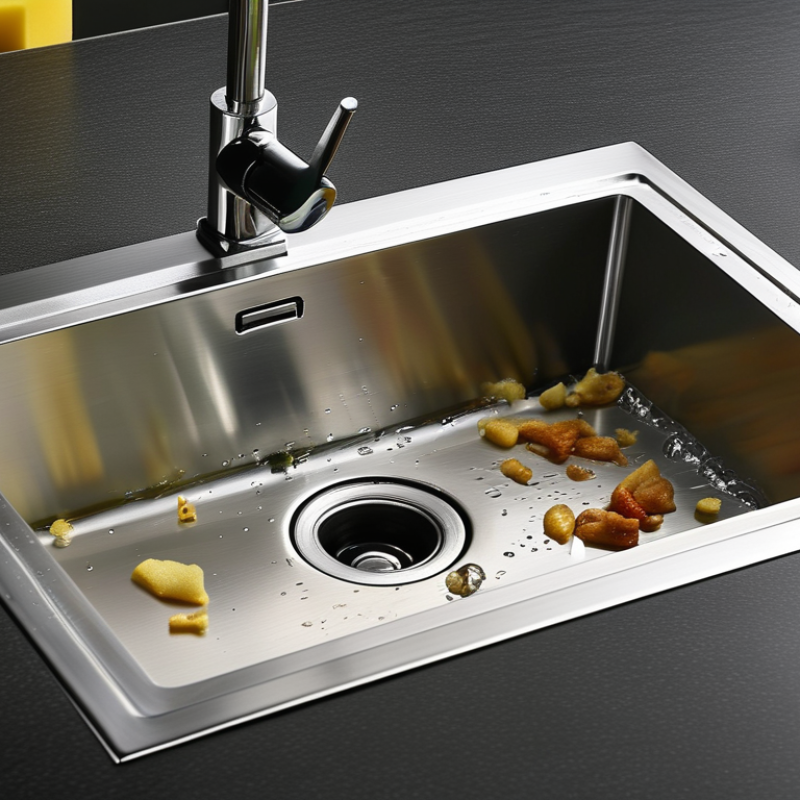
How to Choose the Right Sink Drain Lid?

Understanding Sink Drain Lid Types and Their Functions

Choosing a sink drain lid starts with understanding its type and function. A flat drain cover mainly blocks debris while allowing water to pass. A basket strainer catches food particles and is useful in kitchen sinks. A pop-up stopper creates a temporary seal for washing, soaking, or filling the basin. Some lids combine filtering and sealing, but performance depends on the drain assembly beneath them.

The Water Research Foundation’s Residential End Uses of Water Study reports that faucets account for about 19% of indoor household water use. A dependable stopper cannot reduce faucet demand alone, but it supports practical basin use. The U.S. Environmental Protection Agency also estimates that household leaks waste over one trillion gallons of water annually in the United States. Check the rubber seal carefully. A loose fit may cause slow leakage, unpleasant odors, or trapped residue. I once assumed diameter was enough. It was not. Overflow openings, lift rods, and drain-thread sizes can also affect compatibility.

Tips: Measure the drain opening before buying. Check whether the sink has an overflow hole. Choose stainless steel or corrosion-resistant materials for wet environments. Press the stopper several times before installation is finished. A lid that looks secure may still leak. Read installation instructions from the manufacturer or a qualified plumbing professional, especially when replacing the full waste assembly. A small mismatch can become an annoying repair.

Assessing Sink Dimensions, Drain Openings, and Compatibility

Choosing a sink drain lid starts with accurate measurements, not appearance. Measure the drain opening across its widest point, including the inner rim. Most bathroom basins use openings near 1.25 inches, while kitchen sinks commonly use 3.5-inch openings. These are common industry sizes, not universal rules. Older or handmade sinks may differ.

Check the drain assembly before ordering. A lid must match the opening diameter, rim depth, and stopper mechanism. Measure the visible opening and the space below it. ASME A112.18.2/CSA B125.2 covers plumbing waste fittings, but certification does not guarantee universal fit. Threaded lids need matching threads. Drop-in covers need a stable rim. Small details matter.

Water flow can also affect daily performance. The U.S. Environmental Protection Agency’s WaterSense specification limits labeled bathroom faucets to 1.5 gallons per minute, compared with the federal standard of 2.2 gallons. A poorly fitted lid can slow drainage and leave a shallow pool around the stopper. That is irritating. In practice, I would test the lid with a cup of water before final installation. I have found that even a two-millimeter mismatch can cause movement, noise, or leakage. My earlier assumption was that diameter mattered most; rim thickness can matter just as much. Record every measurement, and compare it with the manufacturer’s technical drawing.

Comparing Materials, Durability, and Maintenance Requirements

How to Choose the Right Sink Drain Lid?

Material affects durability, cleaning, and daily performance. Stainless steel suits busy kitchens because it resists rust, heat, and surface staining. However, hard water can leave cloudy mineral marks. Plastic lids, often made from polypropylene or ABS, are lighter and naturally corrosion-resistant. They may scratch or warp near very hot cookware. A flexible silicone seal improves grip and reduces seepage, but it can harden after repeated exposure to detergents. I have seen a cheap lid last years, while a better-looking one failed early. Installation and cleaning mattered more than appearance.

The U.S. EPA WaterSense program reports that household leaks waste nearly one trillion gallons of water annually across the country. A loose drain lid is not the main source, but poor sealing can still cause hidden moisture, cabinet damage, and repeated cleaning. Choose a lid with a stable rim, removable parts, and drainage openings that match your sink. Smaller openings catch more food particles but need frequent rinsing. Larger openings drain faster and demand better straining habits. No material wins everywhere.

Tips: Measure the drain opening before buying. Rinse the lid after cooking, then remove grease with mild soap. Avoid abrasive pads on polished metal. Check the seal monthly for flattening, discoloration, or odor. Replace damaged silicone promptly. The EPA’s Fix a Leak Week guidance also recommends checking plumbing fixtures regularly, though its advice is broader than drain-lid maintenance.

Selecting Features for Water Control, Filtering, and Easy Cleaning

How to Choose the Right Sink Drain Lid?

A sink drain lid does more than cover an opening. It controls water, catches debris, and affects daily cleaning. When I test one, I run water at different flow rates and watch the surface response. A flat lid may hold water briefly, while a raised edge often drains more predictably. Small detail. The opening size also matters, especially in a busy kitchen or bathroom.

Choose openings that match the debris your sink usually collects. Fine slots can catch rice grains, hair, and small scraps. Wider holes usually drain faster. However, very fine filters may slow drainage when soap, grease, or lint builds up. I prefer removable baskets or strainers that lift out without tools. That makes rinsing less unpleasant. Check for smooth edges and corrosion-resistant materials, since rough surfaces can trap residue.

For easy cleaning, avoid deep grooves and hidden hinges. A smooth lid lets a soft brush reach the edges. A removable stopper also helps you inspect buildup before odors appear. Measure the drain opening before buying. A loose lid may rattle, while a tight one can trap water. I once chose a stylish, narrow-slot lid and regretted it after several clogged washes. That mistake taught me to value maintenance over appearance.

Checking Installation Methods, Safety, and Overall Value

How to Choose the Right Sink Drain Lid?

Checking Installation Methods, Safety, and Overall Value

A sink drain lid should fit the opening without forcing or wobbling. Measure the diameter, flange depth, and stopper clearance before ordering. I have found that a few minutes with a ruler prevents frustrating returns. Some lids drop into place, while others need screws, clips, or threaded connections. Check the instructions and inspect the underside. A smooth, accessible mechanism is easier to clean and less likely to trap food.

Safety deserves more attention than appearance. Choose a lid with rounded edges and a stable surface under wet fingers. It should resist rust, tolerate hot water, and stay secure during ordinary use. Avoid designs that block overflow paths or create sharp gaps around the drain. If tools are required, close the nearby water valves before working around connected plumbing. It sounds cautious, but slips happen. Test the lid with a small amount of water. Watch for leaks beneath the basin.

Overall value means more than the lowest price. Compare material thickness, replacement-part availability, cleaning effort, and installation time. A cheaper lid may loosen quickly or collect grime around hidden seams. However, expensive does not always mean better. I once overvalued a heavy finish and overlooked an awkward locking ring. That mistake made cleaning unnecessarily difficult. Read measurements carefully, keep the receipt, and choose a design you can remove without damaging the drain.

FAQS

: What types of sink drain lids are available?

: Flat covers block debris while water passes through. Basket strainers catch food particles. Pop-up stoppers create temporary seals.

How do I choose the correct drain lid size?

Measure the opening across its widest point, including the inner rim. Record the diameter, rim depth, and space below.

Are common drain sizes universal?

No. Bathroom basins often use openings near 1.25 inches. Kitchen sinks commonly use 3.5-inch openings, but older sinks may differ.

Does diameter determine compatibility?

Not always. Thread size, rim thickness, flange depth, overflow openings, and stopper clearance also affect fit.

How can I check whether a lid will leak?

Press the stopper several times before completing installation. Add a small amount of water and watch beneath the basin.

What materials work well in wet sink areas?

Choose stainless steel or another corrosion-resistant material. Rounded edges and a stable surface improve handling with wet fingers.

How should I install a sink drain lid safely?

Follow the installation instructions carefully. Close nearby water valves when tools are needed around connected plumbing.

What should I consider beyond the purchase price?

Compare material thickness, cleaning effort, replacement parts, and installation time. A heavy finish may still hide an awkward locking ring.

How can I keep the drain lid clean?

Choose a smooth underside with accessible parts. Remove the lid regularly and clean trapped residue before odors develop.

What mistake should I avoid when selecting a drain lid?

Do not rely on appearance or diameter alone. I once ignored rim thickness, and the lid moved, leaked, and needed replacement.

Conclusion

Choosing the right Sink Drain Lid starts with understanding the different types available and how each one supports drainage, water control, or debris filtering. Before purchasing, measure the sink’s drain opening and surrounding dimensions carefully to ensure a secure and compatible fit. Consider the material as well, since stainless steel, silicone, and other options may differ in durability, resistance to corrosion, appearance, and maintenance needs. A suitable lid should be easy to remove, clean, and maintain during regular use.

Functionality is also important when comparing options. Look for features such as adjustable water-stopping capability, fine filtering, smooth surfaces, and designs that help prevent food particles or hair from entering the pipes. Check whether installation requires tools, fitting adjustments, or professional assistance, and make sure the lid sits securely without creating sharp edges or unstable movement. By balancing compatibility, performance, safety, maintenance, and price, you can select a Sink Drain Lid that provides reliable everyday value and keeps the sink area cleaner and more convenient.

Oliver

Oliver

Oliver is a seasoned marketing professional with a wealth of expertise in driving brand awareness and engagement. With a deep understanding of our company's product offerings, he consistently delivers high-quality content that enriches our professional blog. His insights not only shed light on......