
Jutye Sanitary Jutye Sanitary

How to Choose the Best Sink Stainer for Your Home?

Time:2026-07-28 Author:Charlotte
0%

When choosing the best sink strainer for your home, it’s essential to consider various factors. John Harmon, a leading expert in home plumbing solutions, once said, "A good sink strainer can prevent bigger plumbing problems down the line." The right strainer can protect your pipes from food debris and grease, ensuring smoother drainage.

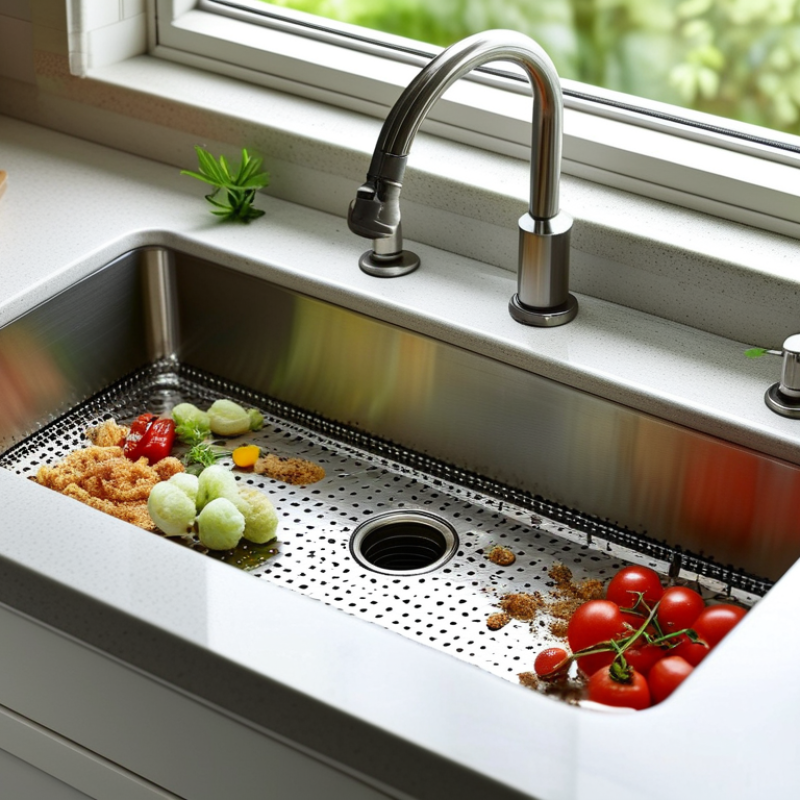
Quality materials are crucial in a sink strainer. Stainless steel often stands out for its durability. Mesh designs can effectively trap small particles. However, not every strainer fits all types of sinks. It’s vital to measure your sink’s dimensions before making a purchase.

Reflect on your lifestyle and cooking habits. If you frequently cook with fibrous vegetables or grains, a more effective strainer may be necessary. Observe how often you clean your current strainer. A poorly maintained strainer can lead to clogs. Ultimately, selecting the right sink strainer is not just about aesthetics; it’s about long-term maintenance and functionality.
How to Choose the Best Sink Stainer for Your Home?

Understanding the Importance of a Sink Strainer in Your Home

A sink strainer is essential in managing kitchen waste. According to the National Kitchen and Bath Association, over 70% of homeowners experience clogged sinks at least once a year. A reliable strainer can prevent food debris from causing costly plumbing issues. These clogs often lead to significant repair bills, which can average around $300. Investing in a quality sink strainer is not just about convenience; it's about protecting your plumbing system.

When selecting a sink strainer, consider the material. Stainless steel is durable and resistant to rust. Plastic strains can warp over time, especially in hot conditions. Pay attention to the mesh size too. A finer mesh captures smaller particles, reducing the chances of blockage. Remember, the right choice can simplify clean-up and extend the life of your plumbing.

Tips: Regularly clean your strainer to maintain its effectiveness. Ideally, do this once a week. Don’t let food debris accumulate. An accumulation can lead to unpleasant odors and attract pests. Choosing the right sink strainer can improve your kitchen's hygiene. A well-functioning strainer is a small but crucial part of an efficient kitchen. Consider its importance in your daily routines.

Types of Sink Strainers: Comparing Materials and Designs

Choosing the right sink strainer involves understanding the various materials and designs available. Stainless steel, silicone, and plastic are common materials used in sink strainers. Stainless steel is durable and resistant to corrosion. It may seem like a solid choice, but it can sometimes rust if the coating wears off. Silicone offers flexibility and ease of cleaning but may not endure high temperatures as well as metal options.

When considering designs, some strainers feature a basket style, while others are flat. Basket strainers trap food particles efficiently. However, they can be cumbersome to clean. Flat strainers integrate seamlessly into the sink, simplifying maintenance but might not catch larger debris as effectively.

Tips for choosing a sink strainer: look for a model that matches your sink’s drainage system. Ensure it fits snugly to prevent leaks. Pay attention to the ease of cleaning, as this will affect your routine maintenance. Sometimes, affordable options may not hold up over time, leading to frustration—a reminder to balance cost with quality.

Factors to Consider When Choosing a Sink Strainer

Choosing the right sink strainer requires careful thought. Various factors affect functionality and maintenance. Material plays a crucial role. Stainless steel is popular for its durability. It resists rust and is easy to clean. Whereas plastic may be less expensive, it can warp over time. Research shows that 70% of households now prefer metal strainers. They often last longer and provide better filtration.

The size and fit of the strainer are equally important. A well-fitting strainer can prevent food debris from clogging pipes. According to industry reports, up to 30% of plumbing issues stem from clogged sinks. Moreover, consider ease of installation. Some strainers require tools, while others can be fitted by hand. A tool-free model may save time and hassle.

Design matters too. A strainer with a larger mesh can catch more particles. However, finer mesh may require frequent cleaning. A balance is necessary. Selecting a strainer with an appealing design can enhance your kitchen aesthetic. It’s worth reflecting on the balance between function and form. Are you prioritizing practicality or visual appeal? This decision can significantly impact your satisfaction.

How to Choose the Best Sink Strainer for Your Home?

Feature Considerations
Material Stainless steel is durable and rust-resistant; plastic is lightweight and affordable.
Size Measure your sink diameter to ensure a good fit; standard sizes are typically 3.5 to 4 inches.
Design Choose a design that complements your kitchen décor; options include mesh, perforated, or solid.
Ease of Cleaning Select a strainer that is easy to remove and clean; look for dishwasher-safe options.
Functionality Consider if you need a basic strainer or additional features like a stopper or food waste disposer.
Price Budget for your sink strainer; prices can vary from under $5 to over $30 depending on materials and features.

Maintenance Tips for Keeping Your Sink Strainer Effective

Maintaining a sink strainer is key to keeping your kitchen and bathroom drains clear. Regular cleaning is essential. Remove any debris trapped by the strainer at least once a week. Food particles, hair, and soap residues can build up quickly, leading to clogging. If you notice slow drainage, it’s time to take action.

Using hot water can help break down grease and soap. Pour it down the drain after removing the strainer. Sometimes, a gentle scrub with an old toothbrush can clear stubborn residues. It's a simple step that many overlook but can make a big difference.

Consider replacing your strainer every few years, depending on wear and tear. A damaged strainer is less effective, allowing debris to escape. Take the time to inspect it regularly. An investment in a reliable strainer is worth it in the long run. Remember, a little maintenance goes a long way in preventing bigger plumbing issues.

Where to Buy: Best Places to Find Quality Sink Strainers

Finding the right sink strainer is essential for maintaining a clean kitchen. It's not just about style; it's about function. Quality sink strainers can prevent clogs and food buildup. To choose the best one, consider where to buy. Online platforms often offer a wider variety, but local stores let you examine products firsthand.

Home improvement stores are reliable options. They stock different styles and materials. Visiting these stores allows you to ask questions about durability and effectiveness. Look for staff recommendations. Their experience can guide you in selecting a strainer that fits your needs. Don't hesitate to compare prices between stores and online platforms for the best deal.

Local plumbing supply shops can also be a treasure trove. Here, you'll find specialized strainers designed for specific types of sinks. The staff often has valuable insights into installation tips and maintenance. It’s crucial to ensure the strainer you select is indeed compatible with your sink’s design. Take time, do some research, and maybe ask for a second opinion. Quality matters, so weigh your options carefully before making a decision.

FAQS

: What materials are commonly used in sink strainers?

: Common materials include stainless steel, silicone, and plastic. Each has its advantages and disadvantages.

Why is stainless steel a popular choice for sink strainers?

It is durable and resistant to corrosion, but it can rust if the coating wears off.

What are the benefits of silicone sink strainers?

Silicone strainers offer flexibility and easy cleaning, but may not withstand high temperatures like metal ones.

How do basket strainers differ from flat strainers?

Basket strainers trap food particles well but can be harder to clean. Flat strainers simplify maintenance but catch less debris.

What should I consider when choosing a sink strainer?

Consider the material, fit, ease of cleaning, and design. It’s essential for preventing leaks and clogs.

How important is the fit of a sink strainer?

A snug fit prevents food debris from clogging pipes. A poor fit can lead to plumbing issues.

Where can I buy quality sink strainers?

Home improvement stores and local plumbing shops are reliable options. Online platforms also offer variety.

Why should I compare prices when buying a sink strainer?

Prices can vary significantly. Comparing them ensures you get the best value for your money.

How does design play a role in sink strainers?

A strainer’s design can enhance kitchen aesthetics while affecting its functionality. Balance is key.

What reflections should I consider before choosing a strainer?

Think about your priorities: practicality vs. visual appeal. This choice impacts your overall satisfaction.

Conclusion

Choosing the best sink strainer for your home is essential for maintaining a clean and functional kitchen or bathroom. A sink strainer plays a crucial role in preventing clogs and facilitating easy drainage by trapping food particles and debris. There are various types of sink strainers available, including those made from stainless steel, plastic, and silicone, each offering different designs and benefits.

When selecting a sink strainer, consider factors such as material durability, ease of cleaning, and design compatibility with your sink. Regular maintenance is vital to keep your sink strainer effective; simple cleaning routines can extend its lifespan and ensure optimal performance. Lastly, knowing where to buy quality sink strainers can save you time and money, allowing you to find a product that meets your needs. By understanding these aspects, you can make an informed decision and enhance the efficiency of your sink.

Charlotte

Charlotte

Charlotte is a seasoned marketing professional with a deep understanding of the company's portfolio and a passion for elevating its presence in the market. With a keen eye for detail and a commitment to excellence, she ensures that our professional blog is regularly updated with insightful articles......