
Jutye Sanitary Jutye Sanitary

2026 How to Choose the Right Angle Valve Brass Ball Valve?

Time:2026-06-04 Author:Mason
0%

Choosing the right Angle Valve Brass Ball Valve is crucial in various applications, from plumbing systems to industrial processes. The global valve market is projected to reach 80 billion USD by 2026, highlighting the importance of quality and reliability in valve selection. An estimated 25% of plumbing failures are linked to substandard valve choices, underscoring the need for informed decisions.

Understanding the specifications and features of Angle Valve Brass Ball Valves can prevent costly downtime. A good valve should provide a reliable seal, resist corrosion, and ensure smooth operation under pressure. Reports indicate that up to 30% of system inefficiencies stem from improper valve selection. Thus, it is essential to consult industry standards and test data when making your selection.

It is also important to consider your specific application needs. Various factors influence your choice, including flow characteristics and pressure ratings. Not every valve fits every situation, which means careful evaluation is necessary. While data can guide you, industry consultations and firsthand experience provide invaluable insights. The goal is not just to select a valve but to enhance system performance and longevity.
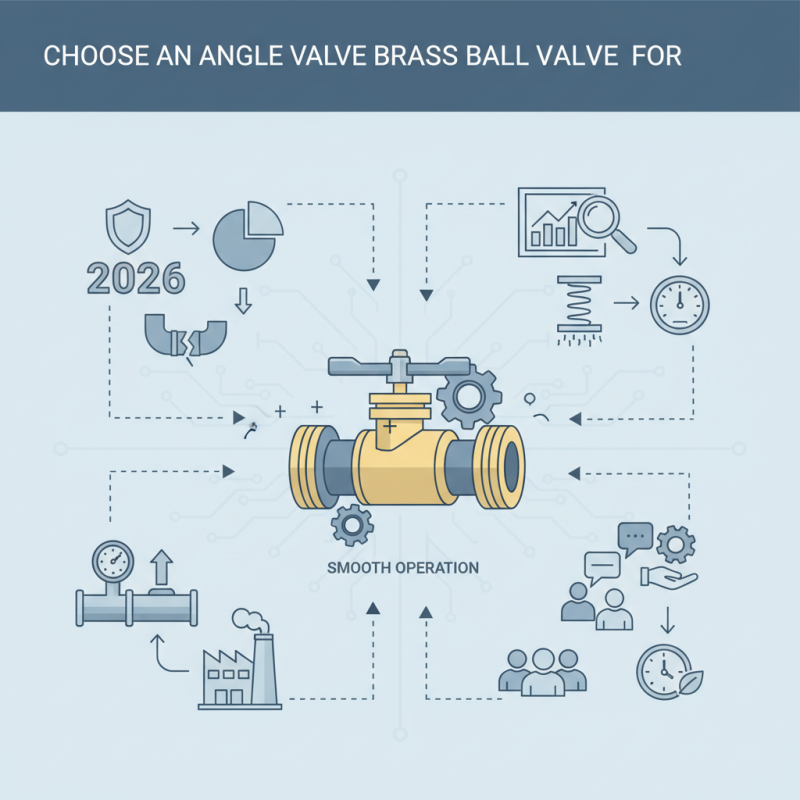
2026 How to Choose the Right Angle Valve Brass Ball Valve?

Understanding the Basics of Angle Valve Brass Ball Valves

When selecting angle valve brass ball valves, understanding their basics is crucial. These valves are designed to control the flow of liquids. Their unique angled design makes them ideal for tight spaces. A good angle valve provides smooth operation and a reliable shut-off.

Brass is a common material for these valves due to its durability and resistance to corrosion. It's important to choose a valve that can withstand the specific pressures of your system. The valve size matters significantly, affecting flow rates and overall system efficiency. Too small a valve may restrict flow, while a valve that is too large can lead to instability.

Consider the specific application when selecting a valve. Are you using it for water, gas, or a specific fluid? Factors like temperature and pressure ratings are critical. Not all valves perform the same under varying conditions. Regular inspections are essential to ensure proper functioning. Reflect on your selections and remember that even small details can impact performance.

2026 How to Choose the Right Angle Valve Brass Ball Valve? - Understanding the Basics of Angle Valve Brass Ball Valves

Feature Description Importance
Material Quality Brass is known for its durability and resistance to corrosion. High
Pressure Rating Indicates the maximum pressure the valve can handle. Critical
Size Available in various sizes; choose based on pipe diameter. Moderate
Connection Type Common connection types include threaded, soldered, and flanged. High
Flow Rate Determine the flow rate to ensure efficient operation. High
Temperature Tolerance Check the valve's ability to withstand temperature ranges. Critical
Seal Type Different seals affect performance and leak prevention. Moderate

Identifying Key Features to Look for in Angle Valves

When selecting an angle valve brass ball valve, focus on key features that impact performance and reliability. A report from the Industrial Valve Market suggests that durable materials significantly enhance longevity. Brass, known for its corrosion resistance, can outperform other materials in various environments. However, not all brass is created equal. Look for valves with a high lead content below 0.25%, which provide better strength without compromising safety standards.

Next, consider the valve's size and connection type. The American Society of Plumbing Engineers states that proper sizing prevents leaks and flow issues. Mismatched sizes lead to inefficient systems and increased maintenance costs. Inspect the valve's design to ensure it meets your application needs. Privacy and clearance are also crucial. A poorly placed valve can hinder access and complicate repairs.

Another essential feature is the valve type. Full-port ball valves offer less resistance, making them ideal for high-flow applications. This can impact energy savings. A study by the Valve Manufacturers Association indicates that optimizing flow can reduce energy usage by up to 30%. However, these valves may be less compact, which could be a drawback in limited spaces. Evaluate these trade-offs to make an informed choice tailored to your needs.

Comparing Different Materials and Their Benefits for Angle Valves

When selecting the right angle valve, understanding materials is crucial. Brass is a common choice due to its strength and resistance to corrosion. It performs well in high-pressure environments and offers durability across various applications. Stainless steel is another popular option, known for its longevity and corrosion resistance, particularly in harsh conditions. Plastic valves, while lighter, may not withstand high temperatures or pressure, making them less reliable in some scenarios.

Tip: Consider the specific environment where the valve will be used. If it's exposed to harsh chemicals or extreme temperatures, opting for a stainless steel valve could prevent costly repairs.

Not every brass valve is the same. Variation in quality exists. A lower-quality brass may corrode faster, leading to leaks. Higher-grade materials ensure better performance and longer lifespan. Always check for certifications or standards that validate the valve's quality and reliability.

Tip: Look for valves with a warranty or guarantee. This is a reflection of the manufacturer's confidence in their product. It also suggests a higher level of quality assurance, which can make a difference in your decision.

Assessing Size and Compatibility for Plumbing Systems

Choosing the right angle valve brass ball valve is crucial for your plumbing system. One key factor is size. Measure the diameter of your pipes accurately. A mismatch can lead to leaks or pressure issues. Oversized valves may not seal properly, while undersized valves can restrict flow.

Compatibility is another important aspect. Ensure the valve material matches your plumbing system. Mixed materials can cause corrosion and reduce lifespan. Pay attention to the pressure rating of the valve. Evaluate the requirements of your water supply. High-pressure systems require specific valves for safety.

Consider installation space as well. Some areas are tight, making larger valves impractical. You might need to adjust your choices based on this. Research various options available. Read reviews and check specifications from trusted sources. Weigh the pros and cons carefully. Sometimes, the cheapest option may lead to more problems down the line.

Evaluating Manufacturer Reputation and Product Reviews

When selecting the right angle valve brass ball valve, evaluating the manufacturer’s reputation is crucial. Trustworthy manufacturers typically showcase their experience in the field. Look for companies with a long track record. A short history may raise some red flags. Gather information from various sources to form a balanced view.

Product reviews can provide insights into user experiences. However, not all reviews are genuine. A mix of positive and negative feedback often reveals more about a product's reliability. Reading about customers' real-life experiences can help you identify potential shortcomings. Focus on detailed reviews that discuss performance over time. These are more telling than a mere star rating.

It's essential to reflect on your own needs and expectations too. Consider the specific requirements of your project before making a choice. An angle valve might seem like a simple decision, but it carries weight. A small oversight in details could lead to larger issues later. Always cross-reference information and remain open to different perspectives.

FAQS

: What materials are commonly used for angle valves?

: Brass, stainless steel, and plastic are common choices for angle valves. Each has unique benefits and limitations.

Why is brass a popular choice for valves?

Brass is strong and resistant to corrosion. It performs well in high-pressure environments and is durable for various applications.

What are the advantages of stainless steel valves?

Stainless steel valves offer longevity and corrosion resistance, especially in harsh conditions and extreme temperatures.

Can plastic valves handle high pressures?

No, plastic valves may not withstand high temperatures or pressures, making them less reliable in certain situations.

How can the quality of brass valves vary?

Not all brass valves are equal; lower-quality brass may corrode faster, causing leaks and reducing performance over time.

What should I check for in a valve's quality?

Look for warranties or certifications, which reflect the manufacturer’s confidence in the product's quality and reliability.

How important is size when selecting a valve?

Size is crucial; mismatched sizes can cause leaks or pressure issues. Measure pipe diameters accurately to avoid problems.

Why is compatibility important for valve selection?

Mixing materials can lead to corrosion and shorten lifespan. Ensure the valve material matches your plumbing system.

What to consider concerning installation space?

Check the installation area. Tight spaces may require smaller valves. Consider this when researching your options.

Should I always choose the cheapest option?

Cheapest options may lead to more issues later. Weigh the pros and cons carefully for better long-term performance.

Conclusion

When selecting an Angle Valve Brass Ball Valve, it is crucial to understand the fundamental characteristics that define their functionality and performance. Key features to consider include the valve's design, ease of operation, and durability. Each material used in constructing these valves offers distinct benefits; for instance, brass is known for its resistance to corrosion and long-lasting reliability. Additionally, ensuring the valve size is compatible with existing plumbing systems is essential for optimal performance.

Furthermore, evaluating the manufacturer's reputation and product reviews can provide valuable insights into the reliability and effectiveness of the Angle Valve Brass Ball Valve. By taking these factors into account, consumers can make informed decisions and choose a valve that meets their specific plumbing needs while ensuring long-term satisfaction.

Mason

Mason

Mason is a seasoned marketing professional with a deep expertise in the company's offerings and a passion for driving brand awareness. With a strong background in digital marketing strategies, he has an innate ability to connect with diverse audiences and effectively communicate product benefits.......