
Jutye Sanitary
Choosing the right Grey Sink Drain for your home involves careful consideration. This small yet vital element can impact your kitchen or bathroom's functionality and aesthetics. A well-selected drain enhances your sink's overall appearance and ensures efficient water flow and easy maintenance.
When evaluating a Grey Sink Drain, it’s essential to think about both design and durability. You want a drain that complements your sink's style while being sturdy enough to withstand daily use. Materials can vary, affecting longevity, so understanding your options is crucial.
Not every drain will meet your specific needs. Some might look appealing but lack practical features. Examine the features that matter most to you. Consider installation ease and compatibility with your plumbing. Reflect on your choices to ensure you invest wisely for long-term satisfaction.
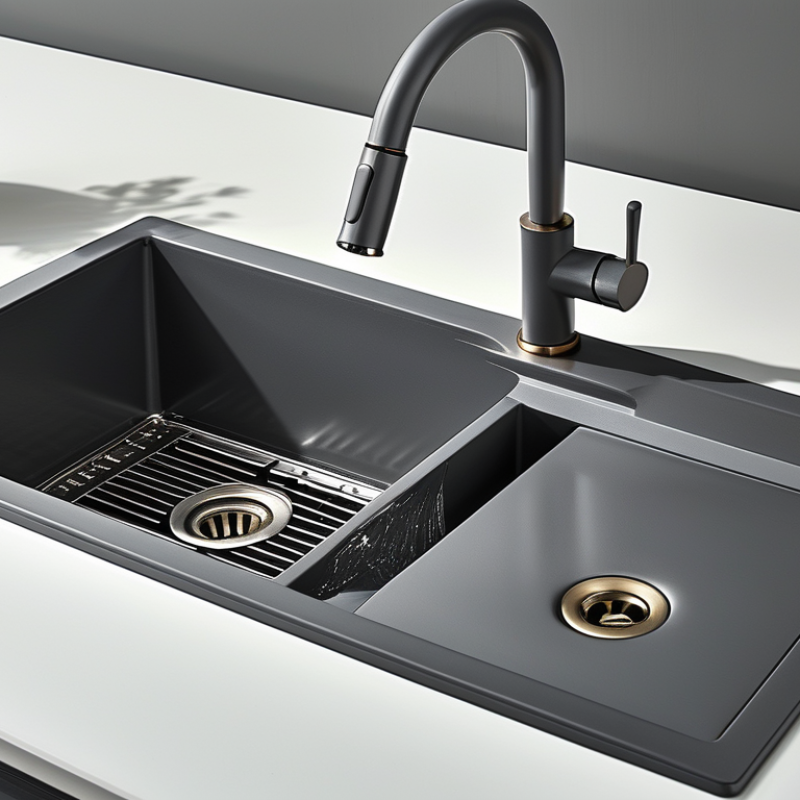
When selecting a grey sink drain, it's essential to understand the various types available. Each type serves different purposes and complements various sink styles. The most common types include pop-up drains, basket strains, and pull-out models. According to industry reports, pop-up drains account for about 40% of the market due to their ease of use and aesthetics. Basket strainers, while very functional, can sometimes be prone to clogging—an important consideration during your choice.
Functionality should not be your only concern. Aesthetics also play a crucial role in your home design. Grey sink drains come in various finishes that can match or contrast with your sink or countertop. It's reported that nearly 75% of homeowners consider visual appeal when selecting kitchen and bathroom fixtures. A mismatched drain might affect the harmony of your overall design, proving costly in the long run.
Reflect on your needs before purchasing. Consider how often you use your sink and for what purposes. If you frequently cook, a drain with a basket strainer might need regular cleaning. For minimal maintenance, opt for a pop-up model. These insights can help you make a more informed decision, ensuring both functionality and style in your home.
When selecting a grey sink drain, several key features warrant careful consideration. First, drain material plays a significant role in durability and longevity. Stainless steel is known for its resistance to corrosion, which is crucial for moisture-prone areas. According to a recent industry report, over 65% of homeowners prefer stainless steel due to its reliability and aesthetic appeal.
Another important feature is the drain type. Options range from pop-up, basket, to disposer drains. Each type offers different functionality, influencing everyday use. Data from the National Kitchen and Bath Association suggests that 58% of kitchen renovations include upgraded drains, emphasizing the importance of choosing the right one. Homeowners should also consider compatibility with existing plumbing. An incompatible drain can lead to leaks and higher maintenance costs.
Lastly, style matters. A grey sink drain should complement your overall design. The finish can significantly affect visual cohesion in kitchens and bathrooms. Selecting a drain with a matte or sleek finish may help align with trendy aesthetics, according to interior design experts. It is essential to prioritize both functionality and style, allowing for both reliability and visual satisfaction in your space.
When selecting a grey sink drain, material and durability play crucial roles. Common materials include stainless steel, plastic, and brass. Stainless steel is a top choice due to its corrosion resistance and long lifespan. According to a market research report by IBISWorld, drainage systems made from stainless steel last significantly longer than their plastic counterparts, reducing replacement frequency.
Plastic drains, while more affordable, can become brittle over time. They are susceptible to cracking, especially in extreme temperatures. A study from the National Association of Home Builders indicates that plastic drains require replacement on average every 5-10 years, while metal options can last upwards of 20 years. Choosing a durable option not only saves money but also reduces waste.
Brass, although pricier, offers both aesthetic appeal and strength. It resists tarnishing, providing a timeless look. However, it may require more maintenance than stainless steel. Homeowners should weigh these factors carefully. The right drain will depend on individual needs, climate, and budget considerations. Some may find it challenging to balance cost and durability, highlighting the importance of informed decision-making.
When installing a grey sink drain, consider the requirements carefully. First, check the compatibility with your sink's size and shape. Not all drains fit all sinks. You may need adapters for some models. Measure the diameter of your sink drain hole before purchasing. This ensures proper fitting and avoids headaches during installation.
Next, gather your tools. You often need a wrench, plumber's tape, and a basin wrench for tightening. Ensure the workspace is clear and accessible. You might encounter some issues, like misalignment with existing plumbing. This can often happen with older homes. Taking the time to assess your plumbing before installation minimizes future complications.
Lastly, follow the manufacturer's instructions closely. Installation might seem straightforward, but small details matter. Pay attention to sealing the connections well. Water leaks can cause significant problems over time. Mistakes in installation can lead to frustrating repairs later. Take a moment to double-check your work before re-using the sink. This diligence can save you from potential issues down the line.
Proper maintenance of your grey sink drain ensures it functions well and lasts longer. Regular cleaning is essential. Debris can accumulate, leading to clogs. One method is to use a mixture of baking soda and vinegar. Pour it down the drain and let it sit for about 30 minutes. This natural solution helps break down residue.
Checking for leaks is also crucial. Inspect the drain regularly for any signs of moisture. A leaking drain can cause water damage over time. If you notice a leak, it is wise to address it quickly. Tightening fittings or replacing gaskets can often solve the issue.
Avoid pouring grease or large food particles down the drain. These substances can harden and create serious blockages. When cooking, use a strainer to catch excess food. Rinse dishes before placing them in the sink to minimize buildup. Keeping the drain clear can prevent costly repairs and maintain efficiency.
| Feature | Description | Maintenance Tips |
|---|---|---|
| Material | Choose between stainless steel, plastic, or brass based on durability and aesthetics. | Clean regularly to prevent corrosion, especially if using metal materials. |
| Size | Ensure the drain size fits your sink's dimensions and plumbing. | Check periodically for clogs and address them to maintain flow efficiency. |
| Style | Select a design that complements your kitchen or bathroom decor. | Dust and wipe down the drain area to keep it looking new. |
| Functionality | Consider features like anti-clog technology or easy removal for cleaning. | Follow the manufacturer's guidelines for operation and care for specialized features. |
| Price | Range from budget-friendly to high-end options depending on material and features. | Invest in quality to avoid frequent replacements, saving money in the long run. |
: Common materials include stainless steel, plastic, and brass.
Stainless steel drains can last upwards of 20 years.
Plastic can become brittle and may crack in extreme temperatures.
Regular cleaning with baking soda and vinegar helps break down residue.
Inspect the drain regularly for any signs of moisture.
Avoid pouring grease and large food particles as they can cause blockages.
A leaking drain can lead to significant water damage over time.
Brass requires more maintenance than stainless steel, which may deter some homeowners.
Rinse dishes before placing them in the sink to minimize buildup.
Consider cost, durability, climate, and aesthetic appeal when choosing a drain.
Choosing the best grey sink drain for your home requires a thorough understanding of the various types available on the market. It is essential to consider key features such as size, design, and compatibility with your sink to ensure optimal functionality. Additionally, examining the materials used in construction is crucial for durability and long-lasting performance, as different materials can offer varying levels of resistance to wear and tear.
Furthermore, proper installation of your grey sink drain is vital for its effectiveness and longevity. Familiarizing yourself with the installation requirements can prevent future plumbing issues. Lastly, regular maintenance is necessary to keep your grey sink drain in optimal condition, ensuring smooth drainage and preventing clogs. By following these guidelines, you can select and maintain a grey sink drain that suits your needs and enhances your kitchen or bathroom environment.
