
Jutye Sanitary Jutye Sanitary

How to Choose the Best Brass Angle Valve?

Time:2026-10-11 Author:Oliver
0%

Choosing the right brass angle valve can prevent leaks, pressure problems, and frustrating repairs beneath a sink. Yet many buyers focus only on price, finish, or pipe size. That approach often fails. A reliable valve must match the water line, fixture connection, pressure conditions, and installation space. It should also offer smooth operation when your hands are wet or cramped behind a cabinet.

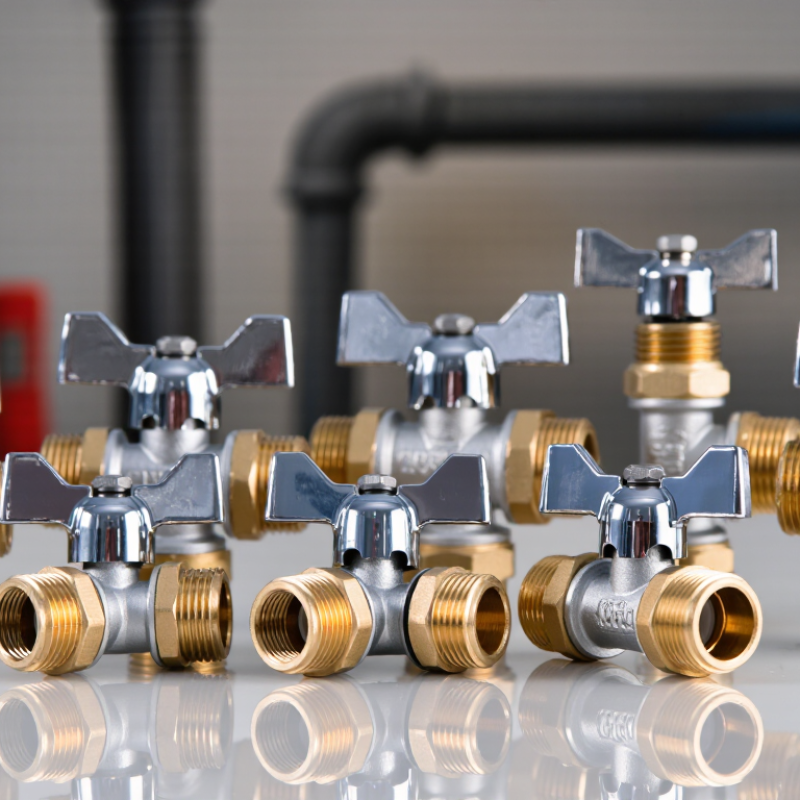
The term Angle Valve Brass describes a valve body commonly made from brass, a durable copper alloy suited to many residential plumbing applications. However, material alone does not guarantee quality. Check the valve’s thread type, inlet and outlet dimensions, pressure rating, handle design, and sealing components. A quarter-turn handle usually allows quick shutoff during a leaking faucet or toilet supply emergency. Look for clear manufacturing information and compliance with applicable local plumbing standards. Certification matters.

Small details matter.

During selection, examine the machining and plating closely. Rough threads, uneven chrome, or a loose stem may indicate poor quality. Consider whether the valve will serve a bathroom basin, kitchen sink, water heater, or another fixture. Each location may demand a different connector and service capacity. Professional plumbers often compare product specifications with the existing pipe, rather than guessing from appearance. That practical habit saves time. Even experienced installers can overlook cabinet depth or an unusual connection size. This guide will help you evaluate Angle Valve Brass products with greater confidence, while recognizing that no single valve suits every plumbing system.
How to Choose the Best Brass Angle Valve?

Understanding the Function and Structure of a Brass Angle Valve

How to Choose the Best Brass Angle Valve?

A brass angle valve redirects water flow while providing a local shutoff point. Its body usually has one inlet and one outlet set at a 90-degree angle. This shape saves space behind toilets, sinks, and compact cabinets. Inside, the stem moves a washer or cartridge against a sealing seat. Turning the handle clockwise should stop the flow firmly, without excessive force.

The valve body, bonnet, packing, and connection threads all affect performance. Forged brass generally offers dependable strength and resists cracking during normal installation. However, brass quality can vary, so check the alloy specification and surface finish. Compression, threaded, and push-fit connections serve different pipe systems. Match the outlet size carefully. A small mismatch may cause leaks or poor flow.

A suitable valve should match the working pressure, temperature, pipe material, and intended water use. Look for clear testing information and certification for local drinking-water applications. During installation, use two wrenches to protect the valve body and pipe. Do not overtighten the packing nut. It is a common mistake. After opening the supply, inspect the joint with a dry tissue, then check it again later. Even a well-made angle valve can fail when dirt reaches the sealing seat. Cleaning the pipe before fitting is often overlooked, and I would not overlook it twice.

Identifying the Correct Valve Size, Connection, and Pressure Rating

How to Choose the Best Brass Angle Valve?

Choosing a brass angle valve starts with the correct size, not its appearance. Measure the existing pipe or fixture connection before ordering. Common sizes include 1/2 inch and 3/4 inch, but similar-looking fittings may not match. Check whether the outlet uses compression, threaded, or push-fit connections. A valve can look right and still leak.

Thread standards require special attention. NPT and BSP threads are not automatically interchangeable. Their angles and profiles differ. Confirm the standard on both the valve and pipe. For a compression connection, match the tube outside diameter, not only the nominal pipe size. I once saw a small mismatch force excessive tightening. It damaged the sealing surface.

Pressure rating matters under real operating conditions. Select a valve rated above the system’s maximum working pressure, including pressure surges. Hot water can reduce a valve’s safe pressure limit, so review the manufacturer’s pressure-temperature chart. Consider water hammer in long or fast-closing lines. A quarter-turn handle may reduce operation time, but it does not correct an unsuitable rating. Verify local plumbing requirements and use compatible sealing materials. If the specifications are unclear, pause before installation. Guessing is expensive.

Comparing Materials, Finishes, and Internal Valve Mechanisms

How to Choose the Best Brass Angle Valve?

Brass angle valves differ in alloy quality, surface finish, and internal mechanism. In field installations, I check the valve body for solid weight, clean threads, and even casting. Lead-free brass is essential for drinking-water systems, while dezincification-resistant brass offers better protection in aggressive water. The correct choice depends on local water chemistry, pressure, and temperature.

Finish affects more than appearance. Chrome provides a hard, easy-clean surface around sinks and toilets. Brushed nickel hides fingerprints and small scratches better, but it may need gentler cleaning. PVD finishes can resist wear, although poor preparation underneath can still cause peeling. A shiny surface is not proof of quality. Look for consistent plating and clear marking.

The internal mechanism controls daily reliability. Quarter-turn ball valves open quickly and usually tolerate infrequent use better. Compression valves cost less, but their washers can harden and drip over time. Ceramic cartridges offer smooth control, yet debris may damage their sealing surfaces. I once selected a valve by finish alone and overlooked its limited pressure rating. That mistake changed my inspection routine. Read the technical sheet. Measure twice. Verify connection size, flow direction, service temperature, and certification for the intended water supply. A valve that feels smooth during installation may still fail if the mechanism does not match the system’s pressure or maintenance conditions.

How to Choose the Best Brass Angle Valve?

Comparing brass materials, surface finishes, and internal valve mechanisms

Material

Choose dezincification-resistant brass for aggressive or hot-water environments. Low-lead alloys are preferred where drinking-water regulations apply.

Finish

Chrome plating improves appearance and surface protection. Nickel plating provides a durable barrier, while an uncoated brass finish is mainly selected for utility installations.

Internal mechanism

Quarter-turn ball valves offer fast shutoff and low operating effort. Multi-turn compression mechanisms are useful when gradual flow adjustment is needed.

Chart values show approximate midpoint composition ranges in weight percent for representative copper-zinc valve alloys; minor elements are omitted, so totals may not equal 100%. Alloy composition can vary by applicable standard and product specification.

Checking Installation Requirements and Compatibility

Choosing the best brass angle valve starts with the installation point, not appearance. Measure the available space around the pipe and wall. A compact valve may still fail if the handle cannot turn. Leave enough clearance for inspection and future replacement.

Check the pipe size and thread standard carefully. Common connections may look similar but use different thread profiles. NPT and BSP threads should not be treated as interchangeable. Confirm the inlet, outlet, and flow direction before ordering. I have seen leaks caused by a fitting that seemed to match visually. It did not.

Review the working pressure, temperature range, and transported medium. A valve for cold water may not suit hot water or compressed air. For drinking-water systems, verify that the materials meet applicable local requirements. Check whether the valve needs a compression, threaded, or solder connection. Use a suitable sealing method, and avoid excessive tightening. Brass can crack under unnecessary force. Test the joint slowly after installation. Watch the first few minutes closely. A pressure test is better than relying on a dry appearance. Also consider maintenance access, corrosion exposure, and possible water hammer. The last point is often overlooked. If the specification is unclear, pause and ask a qualified installer to confirm compatibility before installation.

How to Choose the Best Brass Angle Valve? - Checking Installation Requirements and Compatibility

Selection Dimension What to Check Before Purchase Typical Requirement or Guidance Why It Matters Recommended Verification Method
Application Identify whether the valve will supply a faucet, toilet, dishwasher, washing machine, water heater, or another fixture. Use a standard fixture angle valve for low-flow fixtures. Select a higher-flow or appliance-rated valve where the connected equipment requires greater flow. Different fixtures have different flow, connection, and operating requirements. Review the fixture installation instructions and required inlet connection.
Valve Type Choose between a multi-turn compression valve and a quarter-turn ball valve. Multi-turn valves provide gradual flow adjustment. Quarter-turn ball valves normally open or close with a 90-degree handle movement. The operating style affects ease of use, shut-off speed, and available installation space. Confirm the preferred operating method and ensure the handle can rotate freely.
Inlet Connection Measure the supply-pipe connection and identify the connection type. Common residential options include compression, threaded, and push-fit connections. The valve inlet must match the existing pipe or approved adapter. An incorrect inlet size or connection type can cause leakage or prevent installation. Measure the outside diameter of a compression pipe or identify the thread specification from the existing fitting.
Outlet Connection Check the flexible hose or fixture connection attached to the valve outlet. Common outlet sizes include 3/8 inch and 1/2 inch, but the actual requirement depends on the fixture hose and local plumbing system. The outlet must match the hose nut and sealing method without forcing or cross-threading. Compare the valve outlet with the hose nut size, thread type, and supplied washer.
Connection Configuration Determine whether the installation needs a straight outlet, angled outlet, dual outlet, or integrated shut-off arrangement. An angle valve normally redirects the pipe run by approximately 90 degrees. A dual-outlet model can serve two fixtures when permitted by the installation design. The correct configuration improves hose routing and prevents sharp bends or interference. Draw the planned pipe and hose route, then check clearance from walls, cabinets, and adjacent fittings.
Pressure Rating Compare the valve pressure rating with the building water pressure and any pressure surge. The valve pressure rating should be higher than the maximum pressure in the plumbing system. Residential cold-water systems commonly operate around 40–80 psi, but actual pressure varies. Operating above the rated pressure may shorten service life or create a safety risk. Use a pressure gauge at a suitable hose connection and consult the valve technical specification.
Temperature Rating Check whether the valve will be installed on a cold-water or hot-water line. For hot-water service, select a valve with a temperature rating that exceeds the maximum system temperature. Cold-water valves may not be suitable for hot water. Excessive temperature can damage seals, affect performance, and reduce durability. Confirm the water temperature range in the product specification and compare it with the water-heater setting.
Material and Corrosion Resistance Verify that the valve body is made from suitable plumbing-grade brass and that wetted components are compatible with the water quality. Lead-free brass is generally preferred for potable-water applications where required by local regulations. Protective plating may improve surface resistance but does not replace proper material selection. Material quality affects corrosion resistance, mechanical strength, and suitability for drinking-water systems. Request the material declaration, compliance documentation, and applicable local approvals.
Sealing Method Identify whether the joint seals with a compression ring, gasket, O-ring, or threaded sealant. Compression connections seal at the ferrule and pipe surface. Hose connections normally seal with a flat washer. Do not add thread tape to a connection designed to seal with a washer. Using the wrong sealing method can cause persistent leaks or damage the fitting. Follow the manufacturer’s connection instructions and inspect all washers, ferrules, and O-rings before assembly.
Pipe Material Compatibility Match the valve connection to copper, PEX, CPVC, stainless steel, or another approved pipe system. Use a connection specifically approved for the pipe material. Some valves require an adapter, insert, or support sleeve for plastic pipe. Pipe expansion, soft pipe walls, and different joining methods can affect joint strength and sealing. Confirm compatibility in the valve and pipe installation instructions before fitting.
Installation Space Measure the available depth, width, and handle clearance behind the fixture or inside the cabinet. Allow enough room to turn the handle, tighten the connection, remove the hose, and perform future maintenance. A valve may fit the pipe but still be unusable if the handle or wrench cannot be accessed. Measure from the wall or cabinet panel to the pipe centerline and compare with the valve dimensions.
Flow Capacity Consider the required flow rate and the potential restriction caused by the valve or outlet passage. Use the manufacturer’s flow data where available. For a simple fixture shut-off, the valve should not noticeably restrict the fixture’s required supply. Insufficient flow can reduce filling speed and appliance performance. Compare the valve flow coefficient or flow chart with the fixture’s stated flow requirement.
Backflow and Cross-Connection Determine whether the installation creates a potential cross-connection or requires backflow protection. An ordinary angle valve is not automatically a backflow-prevention device. Install approved protection where required by plumbing codes or the appliance design. Backflow protection helps prevent contaminated water from entering the potable-water system. Check local plumbing regulations and the connected appliance instructions.
Maintenance Access Ensure the valve can be isolated, inspected, and replaced without removing unnecessary fixtures or cabinetry. The handle and connection points should remain visible or reachable after installation. Accessible shut-off valves simplify leak response and routine maintenance. Confirm that the valve remains reachable when the sink, toilet, appliance, or cabinet is fully installed.
Installation Procedure Check whether the pipe must be drained, cleaned, deburred, or supported before installation. Shut off the water, relieve pressure, clean the pipe, keep the valve aligned, and tighten according to the connection instructions. Avoid overtightening. Correct preparation reduces thread damage, stress on the valve body, and joint leakage. Perform a slow pressure test after installation and inspect every connection for leaks.
Standards and Documentation Review applicable plumbing, potable-water, pressure, and material requirements in the installation location. Choose products supported by appropriate technical data, dimensional drawings, pressure and temperature ratings, and required regulatory approvals. Compliance requirements vary by country, region, building type, and application. Consult local codes, the project specification, and the valve’s technical documentation.
Final Compatibility Check Verify size, connection type, pipe material, pressure, temperature, configuration, dimensions, and sealing method together. Do not select a valve based on nominal size alone; every connection and operating condition must be compatible. A complete compatibility check prevents installation delays, leakage, and premature replacement. Use a checklist and confirm all measurements before ordering or installing the valve.

Evaluating Quality, Standards, Maintenance, and Overall Value

Choosing the best brass angle valve starts with the application, not the lowest price. In residential installations, I inspect body weight, thread accuracy, handle movement, and plating before fitting. A dense, evenly machined body usually tolerates repeated adjustments better than thin castings. Look for lead-content compliance where drinking water is involved. The product should state pressure, temperature, and connection standards clearly. Vague specifications deserve caution. They do.

A reliable valve should match local pipe threads and recognized standards, such as ASME, ASTM, or applicable potable-water requirements. Certification must be traceable, not merely printed on packaging. Ask for test documentation, material details, and leak-test results. During installation, use correct wrench positions and avoid twisting the tube. Over-tightening can damage threads or distort seals. I have seen a cheap valve create costly wall repairs. A small leak rarely stays small.

Overall value includes service life, replacement seals, labor, and access after installation. Choose a quarter-turn design when quick shutoff matters, but verify that its internal cartridge can be serviced. Clean mineral deposits gently; abrasive tools can scratch sealing surfaces. Check for drips after pressurizing, then recheck after several days. Maintenance is often forgotten. I still find that good valves fail when joints are rushed or inspection is skipped. That is an uncomfortable lesson, but useful.

FAQS

What does a brass angle valve do?

It redirects water through a 90-degree turn. It also provides a local shutoff point. This saves space behind sinks, toilets, and narrow cabinets. Turn the handle clockwise to stop water flow.

How do I choose the correct valve size?

Measure the existing pipe or fixture connection carefully. Common sizes include 1/2 inch and 3/4 inch. Similar-looking fittings may still mismatch. Check the outlet connection separately.

Which connection type should I select?

Match the valve to your pipe system. Common options include compression, threaded, and push-fit connections. For compression fittings, measure the tube’s outside diameter. Nominal size alone can mislead you.

Are all pipe threads interchangeable?

No. Different thread standards can have different profiles and angles. Confirm the standard on both the valve and pipe. A fitting may seem close but still leak. Guessing here is expensive.

How important is the pressure rating?

Choose a valve rated above the system’s maximum working pressure. Include pressure surges and possible water hammer. Hot water may lower the safe pressure limit. Check the pressure-temperature information before installation.

What signs suggest good valve quality?

Look for a solid body, accurate threads, and smooth handle movement. The surface finish should appear even, without obvious cracks or rough patches. Clear material, pressure, and temperature details are important. Vague specifications deserve caution.

How should I install a brass angle valve?

Clean the pipe before fitting the valve. Use two wrenches to protect the pipe and valve body. Do not overtighten the packing nut or connections. Excess force can damage threads and sealing surfaces.

How can I check for leaks after installation?

Open the water supply gradually. Place a dry tissue around each joint. Watch for damp spots or tiny drips. Check again after several days. I sometimes want to skip this step. That is a mistake.

Conclusion

Choosing the best Angle Valve Brass begins with understanding its role in controlling water flow where supply pipes change direction, commonly near sinks, toilets, and other fixtures. Consider the valve’s structure, operating method, and intended application before selecting a model. Accurate sizing is essential, so confirm the inlet and outlet dimensions, connection types, thread standards, and required pressure rating to ensure a secure and leak-resistant fit.

Material quality, surface finish, and internal mechanism also influence durability and performance. Compare options such as compression, quarter-turn, and multi-turn designs according to ease of use and maintenance needs. Before installation, check available space, pipe compatibility, sealing requirements, and whether professional assistance is needed. A reliable valve should meet relevant quality and safety standards, resist corrosion, operate smoothly, and allow convenient servicing. By balancing performance, installation requirements, expected lifespan, and total cost, you can choose a brass angle valve that provides dependable flow control and long-term value.

Oliver

Oliver

Oliver is a seasoned marketing professional with a wealth of expertise in driving brand awareness and engagement. With a deep understanding of our company's product offerings, he consistently delivers high-quality content that enriches our professional blog. His insights not only shed light on......