
Jutye Sanitary
Choosing the right Kitchen Sink Drain Pipe is essential for every home. It impacts not only functionality but also your kitchen's longevity. A well-chosen drain pipe can prevent clogs, leaks, and other plumbing issues. However, the choices available can be overwhelming. Different materials, sizes, and types make the selection process challenging.
Many homeowners overlook the importance of the drain pipe. They often focus on sinks and faucets instead. However, a poor choice can lead to costly repairs. Understanding your options allows you to make informed decisions. For example, plastic pipes are lightweight, but metal options provide durability. Each material has its strengths and weaknesses.
Reflecting on your needs can guide you. Consider your kitchen’s usage and typical waste types. Sometimes, what seems like a minor detail turns into a major inconvenience later on. A knowledgeable approach to selecting a Kitchen Sink Drain Pipe ensures a smoother kitchen experience. With careful consideration, you can avoid common pitfalls and enjoy a functional kitchen for years to come.
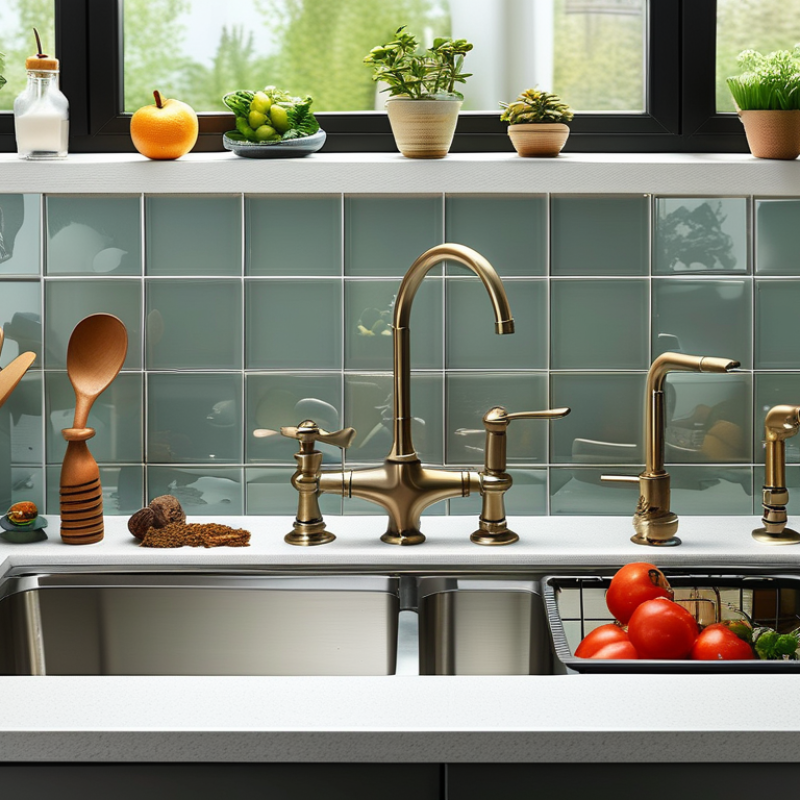
Understanding how kitchen sink drain pipes function is essential for choosing the right one. The drain pipe system relies on gravity to transport waste from your sink to the sewage system. A typical setup includes a trap, which prevents sewer gases from entering your home. This trap holds a small amount of water, creating a seal that blocks unpleasant odors.
The materials used for these pipes can vary. Common options are PVC and metal. PVC is lightweight and easy to install, while metal offers durability. Each has its pros and cons. Improper installation can lead to leaks or blockages, so it’s crucial to be cautious. Regular maintenance is necessary. Check for clogs and clean the trap as needed.
When selecting a kitchen sink drain pipe, consider the size and compatibility with your existing plumbing. Some may be too narrow for efficient drainage. Others might require additional fittings. Avoid shortcuts during installation. Taking the time to choose wisely and install correctly pays off in the long run.
When selecting a kitchen sink drain pipe, material choice is vital. Each material comes with its own benefits and drawbacks. Let's look at common options.
PVC is a popular choice due to its affordability and light weight. It resists corrosion and is straightforward to install. However, it can be prone to cracking under extreme temperatures. Consider this risk based on your kitchen's location.
Metal pipelines, such as stainless steel, offer durability and strength. They last longer and are less susceptible to damage. Yet, they can be expensive and may corrode over time if not maintained properly. Weigh these factors carefully before making a decision.
Another option is ABS, a robust plastic suitable for various environments. It’s even easier to work with than PVC. Still, it can emit harmful fumes during installation. This raises concerns for health and safety. Reflect on the overall impact of your choice, considering both your budget and the environment.
Choosing the right kitchen sink drain pipe involves several factors. Sizing is crucial for efficient drainage. Most kitchen sinks use a 1.5-inch pipe diameter as a standard. However, a 2-inch pipe may be needed for larger fixtures or if multiple sinks drain into the same system. Remember, smaller pipes can clog easily and lead to frustrating backups.
Industry standards also recommend specific lengths for drain pipes. The slope of the pipe is important for proper flow. A 1/4 inch drop per foot is ideal. If the slope is too shallow, water may stand still. On the flip side, an excessive slope can cause water to drain too quickly, leaving food debris behind.
Consider your local plumbing codes as well. They can dictate minimum requirements for installation. Familiarizing yourself with these regulations can save headaches later. Choosing the right sizing and installation methods ensures reliable performance. Investing time in your drain pipe selection can be beneficial. It can help prevent future issues, making your cooking space more enjoyable.
When selecting a kitchen sink drain pipe, it is crucial to understand the common types available and their specific applications. PVC and ABS pipes dominate the market due to their lightweight nature and affordability. According to industry reports, over 60% of home renovations involve PVC pipes for kitchen drainage. These pipes are resistant to corrosion, making them ideal for areas susceptible to moisture.
Metal pipes like copper and stainless steel are another option. They have a reputation for durability and strength. However, they can be more expensive and require professional installation. Studies suggest that around 20% of homeowners prefer metal pipes for their aesthetic appeal and longevity. Yet, there are drawbacks, such as potential corrosion over time and high thermal conductivity.
In recent years, flexible hoses have gained popularity, providing ease of installation. They can fit various sink configurations, which is valuable for remodels. However, they may not always provide optimal support. Reports indicate that using flexible hoses can lead to leaks if not installed correctly. These details emphasize the importance of considering both functionality and reliability when choosing the right kitchen sink drain pipe.
When selecting a kitchen sink drain pipe, installation and maintenance play crucial roles in ensuring optimal performance. A properly installed drain pipe can prevent leaks, clogs, and unpleasant odors. According to the Plumbing Manufacturers International, improper installation is a leading cause of plumbing issues, accounting for up to 30% of all drain-related problems.
Choosing the right materials is essential. PVC is popular due to its durability and cost-effectiveness. However, metal pipes may be more suitable for high-temperature water. Regular maintenance is key. Cleaning the drain pipe monthly can help remove buildup and prevent clogs. Many homeowners neglect this step, leading to issues that might have been easily avoidable. In fact, a study by the American Society of Plumbing Engineers found that 70% of homeowners encounter plumbing issues due to lack of maintenance.
Consider the design of your kitchen and how it affects the drainage system. A trap that’s too compact may lead to stagnant water. Some installations might require adjustments to meet local codes, which vary widely. Property owners often overlook these regulations, risking costly fines or repairs. Understanding these nuances can improve your kitchen's drainage functionality, preventing headaches down the line.
: Kitchen sink drain pipes use gravity to transport waste to the sewage system.
A trap holds water to prevent sewer gases from entering your home.
Common materials include PVC, ABS, and metal options like copper and stainless steel.
Improper installation can cause leaks or blockages, leading to potential water damage.
Regularly check for clogs and clean the trap as needed to ensure good drainage.
Flexible hoses may lead to leaks if not installed properly, so caution is needed.
Ensure it is compatible with your existing plumbing and not too narrow for drainage.
Metal pipes offer durability but can be more expensive and prone to corrosion over time.
While DIY can save money, make sure to avoid shortcuts to prevent future issues.
PVC pipes are lightweight, affordable, and resistant to corrosion, making them ideal for many homeowners.
Choosing the right Kitchen Sink Drain Pipe is essential for ensuring efficient drainage and preventing common plumbing issues. Understanding how these pipes function provides a technical insight that can inform better decision-making. Various materials are available, each with its own pros and cons; it's crucial to weigh these factors during selection. Sizing is another important aspect, as industry standards dictate the diameter and length required for optimal performance.
Exploring the common types of Kitchen Sink Drain Pipes and their specific applications can further guide homeowners and contractors alike. Installation and maintenance tips are vital too, as they can enhance drainage performance and prolong the lifespan of the pipes. By considering these factors, one can confidently choose the best Kitchen Sink Drain Pipe for their needs.