
Jutye Sanitary Jutye Sanitary

How to Choose the Best Industrial Floor Drain for Your Needs?

Time:2026-06-22 Author:Amelia
0%

Choosing the best industrial floor drain can significantly impact the efficiency and safety of your facility. According to Dr. James Peterson, a leading expert in drainage systems, "Selecting the right industrial floor drain is crucial for maintaining hygiene and preventing water damage." His insights reflect the importance of understanding specific needs when considering various options.

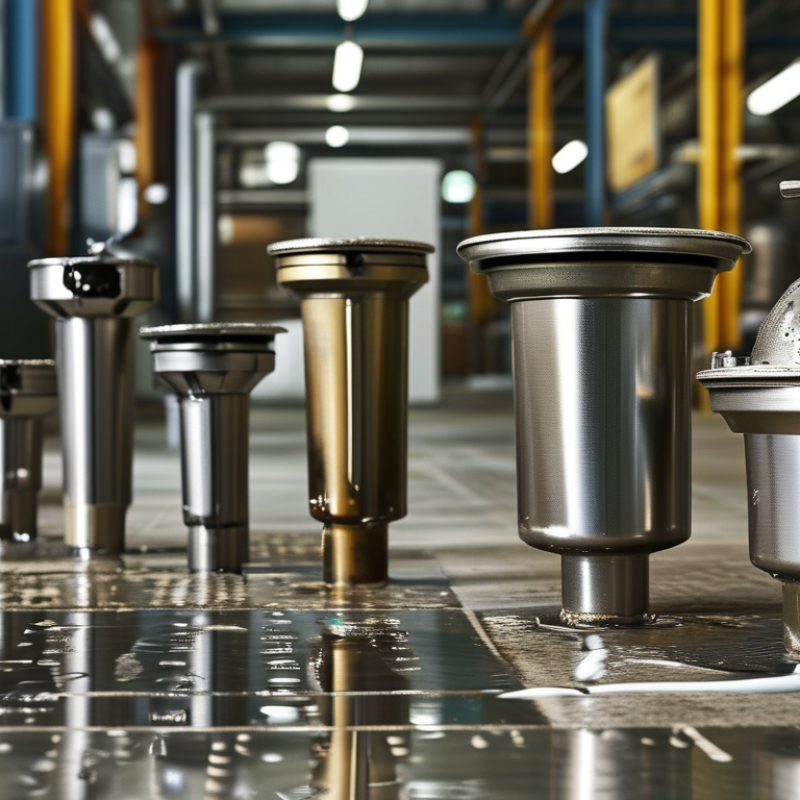
When evaluating an industrial floor drain, think about the type of facility and its unique challenges. For instance, food processing plants may require stainless steel drains to resist corrosion and bacteria. The choice of drain can influence maintenance costs and occupational safety. Many are unaware of the potential hidden costs of inadequate drainage solutions.

The array of available designs and materials can be overwhelming. Some drains may not handle heavy loads, while others may clog easily. It's essential to balance price with performance to avoid unexpected issues. Pay attention to specific requirements like flow rate and installation type. Ultimately, the right choice will enhance operational functionality and reliability.
How to Choose the Best Industrial Floor Drain for Your Needs?

Understanding the Purpose of Industrial Floor Drains

Industrial floor drains play a crucial role in maintaining safety and cleanliness in various workplaces. Understanding their purpose is essential for making an informed choice. These drains help manage wastewater efficiently, preventing pooling and related hazards. According to a report by the American Society of Mechanical Engineers, improper drainage can lead to slippery surfaces, increasing workplace accidents by up to 30%. This highlights the importance of selecting the right drain for the facility's specific needs.

Consider the type of facility and the volume of wastewater generated. For instance, food processing areas require drains that comply with health regulations. A study by the National Sanitation Foundation indicates that 75% of foodborne illnesses stem from improper sanitation practices. Choosing a floor drain with an appropriate trap design can significantly reduce contamination risks. Additionally, the layout of your facility influences the drain's effectiveness. Poor planning can lead to blockage and unpleasant odors.

Reflecting on previous installations, some facilities overlooked maintenance. Clogged drains can cause serious problems, affecting workflow and incurring costly repairs. Regular cleaning is vital. A survey by the Plumbing-Heating-Cooling Contractors Association found that 60% of drains fail due to lack of maintenance. This data reinforces the need to factor in not just the drain's specifications but also a maintenance plan when making a decision. Proper knowledge empowers businesses to make choices that protect both workers and investments.

Key Factors to Consider in Selecting Floor Drains

When selecting an industrial floor drain, it's crucial to consider several key factors. First, the size and volume of water the drain will handle should match your needs. A smaller drain may clog easily if placed in a high-traffic area. Construction materials are another important aspect. Steel and plastic each have their pros and cons. Steel is durable but may corrode over time, while plastic is resistant to chemicals but may not bear heavy loads as well.

Another vital factor is the type of flooring surrounding the drain. Sloping floors can help direct water effectively. However, improper slopes may lead to pooling. The drain's design should fit seamlessly with the floor’s specifications. Grate design is also essential; it should prevent debris from entering while allowing for easy cleaning. Many overlook regular maintenance and cleaning schedules. A beautifully installed drain can fail if neglected.

Consider local regulations and standards too. Compliance ensures safety and efficiency within your facility. Not all drains meet these requirements. Review specifications carefully. Always consult professionals with experience in industrial drainage systems. Their insights can prevent costly mistakes down the line.

Types of Industrial Floor Drains and Their Specific Uses

When selecting an industrial floor drain, understanding the types available is crucial. The three main types include trench drains, point drains, and channel drains. Each type serves specific purposes that cater to various industrial environments.

Trench drains are ideal in areas with heavy foot and vehicle traffic. They are effective in managing large volumes of water. According to industry studies, trench drains can reduce flooding risk by over 50% in high-use areas.

Point drains, on the other hand, are often used in wash bays and facilities with localized water discharge. These drains require minimal floor space but are critical for timely water removal.

Channel drains can be employed in both interior and exterior environments, handling debris and sediment efficiently.

Factors such as chemical exposure and temperature variations must influence your choice. Some drains may corrode under specific conditions, while others not designed for heavy industrial use can fail. Regular maintenance is also essential. Reports suggest that poorly maintained drains can lead to injuries and production downtime. Choosing the right type based on your facility's needs is vital for safety and efficiency.

Evaluating Material and Durability for Industrial Environments

Choosing the right material for an industrial floor drain is crucial. Different environments demand specific materials for durability and performance. For example, stainless steel is often preferred for its corrosion resistance. It withstands harsh chemicals typically found in industrial settings. However, it can be expensive and may not be the best choice in all circumstances.

Concrete drains might seem appealing for their cost-effectiveness. They can be reinforced to enhance strength. But their porous nature makes them vulnerable to cracking and contamination. This can lead to more significant maintenance issues over time. It's important to assess the specific conditions of your facility. Will the drain be exposed to heavy machinery, or will it face frequent chemical spills?

Another aspect to consider is ease of cleaning. Some materials can harbor bacteria and grime. This requires more frequent cleaning and maintenance. Reflecting on these details helps avoid costly mistakes. Each option has its upsides and downsides. Understanding your operating environment is key to making an informed decision.

Material Durability Evaluation of Industrial Floor Drains

Installation and Maintenance Tips for Optimal Performance

When selecting an industrial floor drain, consider installation and maintenance for long-term efficiency. Proper installation is critical. According to a recent industry report, 30% of drainage issues arise from incorrect installation. Ensure the drain is placed at the lowest point of the floor to facilitate optimal water flow. Use high-quality materials and follow manufacturer guidelines. This can prevent future headaches.

Maintenance plays a crucial role in performance. Regular inspection is essential. The same report indicates that poorly maintained drains can reduce effectiveness by 50%. Clear debris and sediment regularly to enhance flow. Utilize a suitable cleaning solution to mitigate buildup. If drains produce unusual odors, this may indicate a blockage. Addressing these issues promptly can prevent costly replacements.

Choosing the right drain is not just about the product. It’s about how well it fits your unique environment. Not every solution is perfect. During initial use, expect to adjust your maintenance schedule multiple times. Assess your needs periodically. This reflection can lead to improved choices and better performance over time.

FAQS

: What factors should I consider when selecting a floor drain?

: Consider the size, volume of water, and surrounding flooring type for proper drainage.

How does the construction material affect floor drain performance?

Steel is durable but may corrode. Plastic resists chemicals but may not withstand heavy loads.

Why is the slope of the flooring important?

Proper slopes direct water effectively; improper slopes can cause pooling.

What role does grate design play in drain selection?

Grate design should keep debris out and allow for easy cleaning.

Why is regular maintenance crucial for floor drains?

Neglect can lead to clogs and failures over time. Regular cleaning is vital.

What should I know about local regulations regarding drains?

Ensure compliance with local standards for safety and efficiency. Not all drains meet requirements.

How do different materials impact durability in industrial settings?

Stainless steel resists corrosion but can be costly. Concrete is cheaper but may crack.

What is a potential downside of using concrete drains?

Their porous nature can lead to contamination and increased maintenance issues.

Why is it important to reflect on cleaning ease?

Some materials gather grime and bacteria, requiring more frequent cleaning efforts.

Should I consult professionals for drain selection?

Yes, experienced professionals can guide you and help avoid mistakes.

Conclusion

When selecting the best Industrial Floor Drain for your needs, it is essential to first understand their primary purpose, which is to effectively manage wastewater and prevent flooding in industrial facilities. Consider key factors such as load capacity, drainage capacity, and compatibility with various industrial settings to ensure optimal performance.

There are several types of Industrial Floor Drains available, each designed for specific applications, including heavy-duty options for manufacturing plants and those suited for food processing environments. Evaluating the material and durability is crucial, as these drains must withstand harsh chemicals and heavy traffic. Proper installation and regular maintenance are also vital to enhance longevity and efficiency, allowing for a safe and functional industrial workspace.

Amelia

Amelia

Amelia is a seasoned marketing professional with a wealth of expertise in our company’s core offerings. With an unwavering passion for driving growth and innovation, she plays a pivotal role in shaping our marketing strategies and enhancing brand visibility. A key aspect of her responsibilities......