
Jutye Sanitary Jutye Sanitary

China Top 10 Stainless Steel Floor Drain Manufacturers

Time:2026-11-14 Author:Ethan
0%

A well-made Stainless Steel Floor Drain should do more than carry water away. It must handle daily use, resist corrosion, and fit the floor’s layout. In a busy kitchen, for example, a narrow grate can collect food debris, while a poorly matched outlet may slow drainage. These details are easy to miss when comparing suppliers online.

This guide introduces ten Chinese manufacturers for buyers assessing products, production capabilities, and potential partners. It is a starting point, not a universal ranking: company offerings and quality controls can change, and the right choice depends on the project. Details matter. Compare steel grade, grate design, outlet size, surface finish, and available dimensions. Ask for current product specifications and relevant test or quality documents, then confirm that samples match the proposed order. A responsive sales team is useful, but it cannot replace clear technical information or consistent production records. No list is perfect. Even a polished catalog may leave questions about custom sizing, lead times, or inspection procedures. Treat each company as a candidate to evaluate, and verify important claims directly before making a purchasing decision.
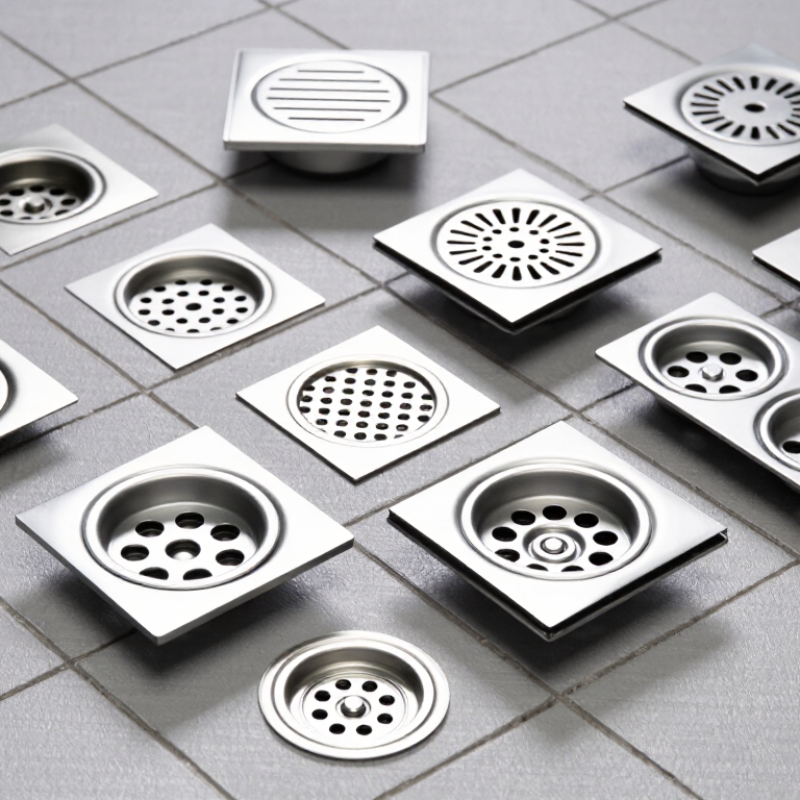
China Top 10 Stainless Steel Floor Drain Manufacturers

China’s Stainless Steel Floor Drain Industry at a Glance

China’s stainless steel floor drain industry combines metalworking expertise with demand from residential, commercial, and hospitality projects. Manufacturers commonly offer square, linear, and tile-insert designs in different outlet sizes. Production may involve laser cutting, stamping, welding, polishing, and assembly. The exact process depends on product design and factory equipment.

The picture is not perfectly uniform. Some suppliers focus on large-volume orders, while others handle custom dimensions or smaller batches. That gap matters. Stainless steel grade, sheet thickness, weld finish, and surface treatment can vary between products that look similar in photographs. Buyers should check material certificates where available and compare samples with written specifications.

Quality checks are practical, not mysterious. Inspect the grate for sharp edges, confirm the outlet fits the intended pipe, and test water flow under realistic conditions. Ask how the drain handles hair, debris, and odor control, since these details affect maintenance. A polished finish alone proves little. Production capacity, lead time, packaging, and inspection records also help describe a supplier’s capabilities. Even careful specifications cannot prevent every mismatch, so sample approval is worth the extra time.

How to Evaluate Floor Drain Manufacturers in China

China Top 10 Stainless Steel Floor Drain Manufacturers

How to Evaluate Floor Drain Manufacturers in China

A polished product photo tells you little about a floor drain’s performance. Ask manufacturers for material specifications, including stainless steel grade, sheet thickness, and finish. Request a sample and inspect its edges, welds, and grate fit. Details matter. A loose grate or rough seam can become a maintenance problem after installation.

Compare production capability with your actual order, not just the supplier’s stated maximum output. Ask how the factory checks drainage flow, leak resistance, and dimensional consistency. Request recent inspection records and a clear explanation of how rejected parts are handled. Ask for proof. If available, review third-party test reports and confirm that their scope matches your product and destination market.

Reliable communication is part of the evaluation. Check whether drawings, tolerances, packaging, and lead times are confirmed in writing. A small trial order can reveal whether production matches the approved sample. Packaging deserves attention: thin protective film may not prevent scratches during transit. One limitation is easy to miss: a strong factory audit cannot guarantee every shipment will be perfect, so agree on practical inspection criteria before production begins.

Profiles of 10 Leading Stainless Steel Floor Drain Manufacturers

A profile of a stainless steel floor drain manufacturer should go beyond catalog photos. The World Stainless Association reported 58.4 million tonnes of global stainless steel production in 2023, up 4.6% from 2022. This is useful industry context, not a floor-drain market estimate. For buyers, the practical questions are narrower: grade traceability, forming quality, drainage performance, and consistency between samples and production batches.

A useful comparison can cover ten manufacturer profiles: precision-stamping specialists; deep-drawing producers; cast-body makers; laser-cut fabricators; welded-channel workshops; tile-insert drain makers; linear-drain specialists; heavy-duty drainage producers; custom OEM suppliers; and export-focused factories. Each profile signals a different strength, not a guaranteed ranking. Ask for material certificates, dimensional drawings, surface-finish options, and test records. Check that grates sit flush and that water clears without pooling. Small details matter.

A polished catalog is not proof. Request a production sample and inspect its edges, welds, and outlet connection. Confirm whether stated load ratings apply to the complete drain assembly. Even capable suppliers may have gaps in public documentation; that deserves a direct question, not an assumption. The World Stainless Association’s production figures describe the wider material sector, so they cannot verify any individual factory’s capacity or quality.

Chromium Content Ranges in Stainless Steel Grades Used for Drainage Products

The chart shows specified chromium content ranges by weight for common stainless steel grades, not manufacturer or brand data. Actual compositions depend on the applicable product specification.

Product Types, Materials, and Manufacturing Capabilities

China’s stainless steel floor-drain makers offer point drains, linear channels, balcony outlets, and models with removable debris baskets or odor traps. Grate designs range from punched patterns to narrow slots. The choice affects cleaning, foot safety, and how easily water reaches the outlet. Small details matter.

Material selection should match exposure. Grade 304 suits many indoor settings, while 316L can offer better resistance in chloride-rich environments, such as coastal sites. The World Stainless Association reported global stainless-steel crude production of 58.4 million tonnes in 2023, with China producing about 36.7 million tonnes. This scale supports broad sourcing, but it does not prove a particular drain’s quality. Ask for material certificates and check whether the finished part matches the stated grade.

Manufacturing capabilities can include sheet stamping, laser cutting, CNC machining, welding, polishing, and passivation. For channel drains, inspect joint consistency and grate fit; for compact floor drains, check outlet dimensions and trap access. Request flow-test details, not just polished product photos. A bright finish can hide rough welds. Testing may also vary between factories, so compare methods and sample results before placing an order.

Comparing Suppliers for Quality, Customization, and Export Support

When comparing China’s stainless steel floor drain manufacturers, assess verified material quality rather than polished catalog photos. The World Stainless Association reported global stainless steel melt shop production of 58.4 million tonnes in 2023. That scale indicates a broad supply base, but it does not prove a drain’s grade or corrosion resistance. Request material certificates, dimensional inspection records, and test details for the finished product. Check welds, edge smoothness, and water flow on a physical sample.

Customization can be practical or costly. Share drawings that specify outlet diameter, drain depth, grate pattern, finish, and installation conditions. Ask which dimensions are adjustable, what tooling fees apply, and whether the supplier can provide a pre-production sample. Small details matter. A custom grate may look right but still sit unevenly on site; confirm fit before approving bulk production.

Tips: Compare export support with a written checklist. Confirm packaging for heavy cartons, labeling, lead time, and the documents supplied with each shipment. Ask for recent export references, but verify them independently. A clear answer is useful; vague promises are not. I would also compare quotations line by line, since a low unit price may exclude sampling or protective packaging.

FAQS

What types of stainless steel floor drains are commonly available?

Options include point drains, linear channels, balcony outlets, and tile-insert designs. Some models include removable debris baskets or odor traps.

How can I check a drain’s material quality?

Ask for the stainless steel grade, sheet thickness, and material certificates where available. Compare the sample with the written specifications.

Which stainless steel grade suits coastal projects?

Grade 316L can offer better resistance in chloride-rich environments. Grade 304 suits many indoor settings, but exposure conditions still matter.

What should I inspect on a physical sample?

Check for sharp edges, rough welds, and a loose grate. Confirm that the outlet matches the intended pipe size.

How can I assess drainage performance?

Ask for flow-test details and test water under realistic conditions. Check how the design handles hair, debris, and odor control.

What manufacturing capabilities should I ask about?

Factories may use stamping, laser cutting, CNC machining, welding, polishing, and passivation. Capabilities vary by design and equipment.

How can I reduce the risk of production mismatches?

Confirm drawings, tolerances, packaging, and lead times in writing. A small trial order can show whether production matches the approved sample.

Does a factory audit guarantee every shipment will be perfect?

No. A sample still cannot predict every shipment. Agree on inspection criteria, and check packaging for scratch protection during transit.

Conclusion

This article offers a practical overview of China’s stainless steel floor drain industry and the factors buyers should consider when choosing a supplier. It explains how to assess manufacturers based on production experience, quality control, material selection, manufacturing capacity, and their ability to meet project requirements. Readers will also find profiles of ten leading manufacturers, providing a starting point for comparing the range of suppliers in the market.

The article explores common Stainless Steel Floor Drain types, material options, and customization possibilities, along with the production capabilities that can affect product performance and consistency. It also outlines how to compare suppliers on quality, lead times, communication, export support, and order flexibility. Together, these topics help buyers make more informed sourcing decisions and identify manufacturers suited to their technical, commercial, and delivery needs.

Ethan

Ethan

Ethan is a seasoned marketing professional with a deep expertise in our company's innovative product line. With a passion for sharing knowledge and insights, he takes the lead in regularly updating our corporate blog, where he explores industry trends, product features, and effective marketing......