
Jutye Sanitary Jutye Sanitary

Best Sink Stainer Solutions for Global Buyers in 2026?

Time:2026-04-30 Author:Sienna
0%

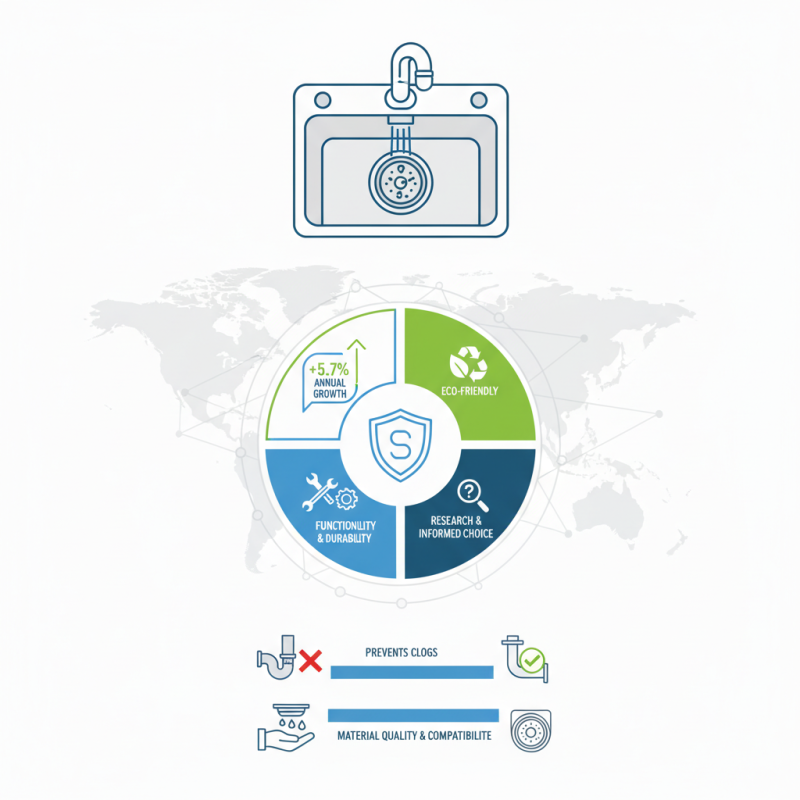
As the home improvement market evolves, sink stainers remain crucial for kitchen management. Recent industry reports indicate a growing emphasis on functionality and aesthetics. With a projected market growth of 5.7% annually, the demand for innovative sink stainers is evident.

Sink stainers serve practical purposes. They trap debris, ensuring smooth plumbing flow and reducing clogs. However, many consumers overlook their importance. Quality varies significantly, with some products failing to meet durable standards. Buyers must assess material quality and drain compatibility before making a decision.

The year 2026 looks promising for new sink stainer solutions. Eco-friendly options are increasingly popular. Many manufacturers now prioritize environmentally safe materials. Despite progress, consumers continue to face challenges in selecting the right options. Research is essential to address these gaps. An informed choice can enhance kitchen functionality and longevity.
Best Sink Stainer Solutions for Global Buyers in 2026?

Best Sink Stainer Solutions: An Overview of Market Trends in 2026

The sink strainer market is evolving rapidly, driven by consumer demands and environmental concerns. In 2026, buyers will seek innovative solutions that merge functionality with sustainability. Strainers made from biodegradable materials are gaining traction. These products not only reduce waste but also serve their purpose effectively. They prevent clogs, safeguarding plumbing systems while supporting eco-friendly practices.

Today's consumers are more informed. They want products backed by research and effectiveness. Advanced filtration designs are proving to capture finer debris, thus enhancing kitchen hygiene. Many buyers now prioritize ease of cleaning and maintenance. The integration of smart technology in strainers is another trend in the making. However, gaps remain in adoption rates among different markets. Education on these products is essential.

Challenges persist as well. Not all regions have access to advanced solutions or awareness of their benefits. The price point for high-quality materials can deter some buyers. Consumers might still opt for cheaper, less effective options. This discrepancy highlights a crucial area for improvement in the industry. Strainer manufacturers need to bridge this knowledge gap to meet evolving market demands effectively.

Innovative Materials Used in Sink Stainers for Enhanced Durability

In 2026, sink strainers are evolving with innovative materials that promise enhanced durability. Traditional materials often face challenges like rust and corrosion over time. New options utilize high-grade stainless steel and advanced composites that withstand harsh environments. These materials not only resist wear but also maintain their aesthetic appeal.

Many homeowners seek solutions that last longer with less maintenance. A sink strainer made from durable materials can handle heavy-duty usage while resisting staining and environmental damage. Some newer designs even incorporate non-stick properties, making them easy to clean. However, challenges remain in balancing functionality with style. Consumers may find it hard to choose from numerous designs.

As the demand for reliable sink strainers grows, so does the need for transparency. Buyers should understand the composition of materials used. Not all metal types offer the same level of protection against degradation. This awareness encourages informed decisions. Innovations are exciting, yet they come with a learning curve that requires deeper examination.

Comparative Analysis of Leading Sink Stainer Brands for Global Buyers

When evaluating sink strainer solutions for global buyers, it's vital to consider various brands. Each offers distinct features tailored to different needs. For instance, some designs focus on enhanced filtration, while others emphasize ease of cleaning. Assessing these variations helps buyers make informed choices.

A notable element is material quality. Stainless steel options provide durability and resistance to rust. However, they can be heavier and more challenging to install. On the other hand, plastic models are lightweight but may not last as long. This trade-off demands careful consideration. Users often express dissatisfaction when their chosen product fails to meet expectations.

Additionally, price points play a significant role. While budget-friendly choices are tempting, they may compromise effectiveness. A product's longevity and performance often justify a higher initial investment. Research shows that buyers sometimes overlook these factors, leading to regrets. Comprehensive analysis is essential for making the right decision in 2026.

User Experience: What Customers Look for in Sink Stainer Products

When it comes to sink strainer products, user experiences reveal key preferences. Many customers prioritize durability. A well-constructed strainer can withstand daily use for years. Users also look for easy cleaning options. A design that simplifies removal of food particles saves time and effort.

Aesthetics play a crucial role too. Users want a sink strainer that complements their kitchen decor. Sleek designs and modern finishes attract buyers. Additionally, functionality matters greatly. A strainer should effectively catch debris without restricting water flow. Some customers find it frustrating when strainers do not perform as expected.

However, not all products meet these expectations. Some strainers create clogs, while others rust quickly. Customers often share experiences online when their products fail. This feedback highlights the importance of reliability in product choices. It’s crucial for buyers to research and compare options thoroughly. A well-informed decision can lead to a satisfying purchase and a better kitchen experience.

Best Sink Stainer Solutions for Global Buyers in 2026

Sustainability Practices in Sink Stainer Manufacturing for 2026

Sustainability is a growing concern in sink strainer manufacturing. As we approach 2026, companies are exploring eco-friendly materials. Many are researching biodegradable plastics. This shift could lead to less waste in landfills. However, the challenge lies in balancing durability with sustainability.

Using recycled materials is another key practice. Manufacturers are focusing on sourcing materials that have a lower environmental impact. Some companies are experimenting with alternative sources, like bamboo and reclaimed metals. These efforts may reduce dependence on virgin resources. Yet, not all recycled materials meet the same quality standards.

The need for designs that minimize waste is crucial. Streamlined manufacturing processes can help reduce excess material. However, adopting these practices requires an upfront investment. This can be a hurdle for smaller manufacturers. They must innovate while keeping costs manageable. As the market evolves, the path to sustainability might not be straightforward, yet it is necessary.

FAQS

: What are the main trends in the sink strainer market for 2026?

: The market is focusing on functionality and sustainability, especially with biodegradable materials.

Why are biodegradable sink strainers becoming popular?

They reduce waste effectively while preventing clogs and supporting eco-friendly practices.

What do consumers value most in sink strainer products?

Durability, ease of cleaning, aesthetics, and effective functionality are key preferences.

How is technology influencing sink strainer designs?

Smart technology integration is emerging, offering advanced filtration and user convenience.

What challenges do buyers face when choosing sink strainers?

Limited access to innovative options and confusion about quality can hinder informed choices.

What materials are improving sink strainer durability?

High-grade stainless steel and advanced composites resist rust and corrosion, enhancing longevity.

How important is user feedback in the sink strainer market?

Customer experiences shared online highlight reliability issues and help others make informed decisions.

Do all sink strainers perform effectively?

No, some strainers can cause clogs or rust quickly, leading to user frustration.

What factors should buyers consider before purchasing a sink strainer?

Material composition, functionality, design aesthetic, and user reviews play significant roles.

How can consumers ensure they make a good purchase?

Researching, comparing options, and understanding product features are essential for satisfaction.

Conclusion

In 2026, the market for sink stainers is evolving with a focus on innovative materials that enhance durability and functionality. As buyers across the globe seek effective solutions, manufacturers are adopting advanced technologies to create products that not only perform well but also align with sustainability practices. The emphasis on eco-friendly materials and production methods is becoming a significant trend, catering to environmentally conscious consumers.

A comparative analysis of the leading sink stainer options reveals diverse features that appeal to different user preferences. Customers are looking for durability, ease of maintenance, and efficient waste management solutions in sink stainer products. As user experience plays a crucial role, manufacturers are continuously adapting their offerings to meet the expectations of savvy global buyers, ensuring that sink stainers not only serve a practical purpose but also enhance the overall aesthetic of modern kitchens.

Sienna

Sienna

Sienna is a skilled marketing professional with a deep expertise in our company’s core products and services. With a passion for innovation and detail, she plays a pivotal role in crafting insightful blog posts that not only highlight the unique features of our offerings but also provide valuable......