Choosing the right sink drain lid can significantly impact your kitchen or bathroom experience. A well-designed sink drain lid helps prevent clogs and odors while keeping your space clean. In this guide, we will explore various options available in the market. Each type of sink drain lid comes with unique features suited for specific needs.
Many homeowners overlook the importance of selecting an effective sink drain lid. It's not just about aesthetics; functionality matters too. Some lids may fit poorly or wear out quickly. Others may trap hair or debris, leading to further issues. Thus, it is crucial to consider your usage patterns and the type of sink you have.
Our aim is to provide you with reliable information to make an informed decision. We will discuss the materials, designs, and price points. Additionally, we will highlight common mistakes to avoid when choosing a sink drain lid. You deserve a product that offers both quality and convenience. Let's dive in to find the best options tailored to your needs.
Understanding Different Types of Sink Drain Lids Available in the Market
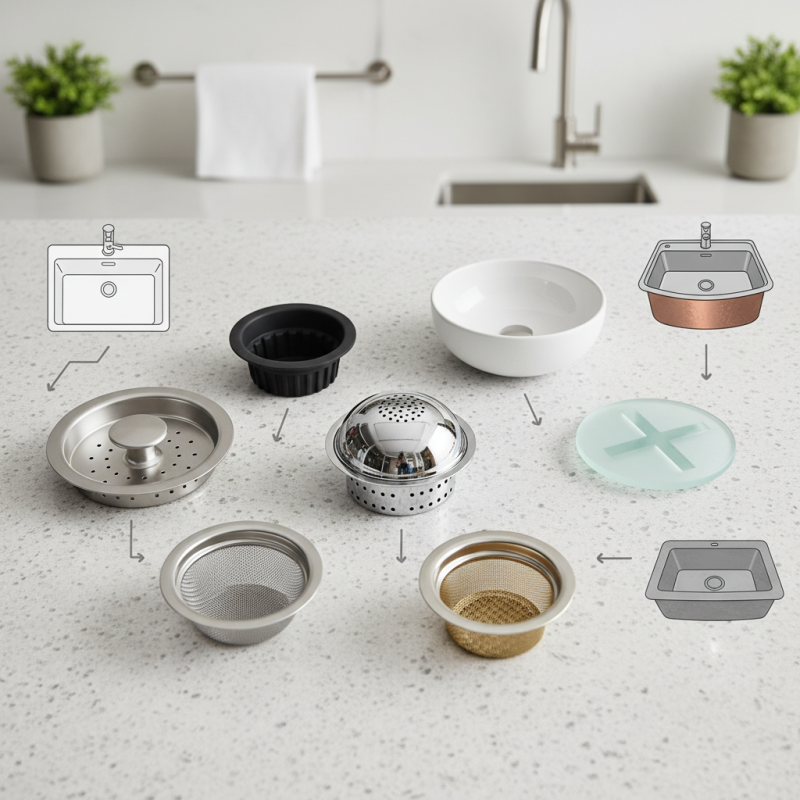
When choosing a sink drain lid, it's important to understand the various types available. Each type serves a different purpose. For instance, you have basic plug-type lids, which are straightforward and effective for blocking water flow. These can be easily removed when necessary. Then, there are strainer lids, designed to catch food particles while allowing water to drain. They come in various materials, like stainless steel or plastic, adding both functionality and style to your sink.
Tips: Consider the size and shape of your sink. Not all lids fit every model. Measure carefully to avoid mismatches. A well-fitting lid helps prevent clogs and makes cleaning easier.
Another type is the pop-up drain lid. This sophisticated option is convenient for daily use. Simply push it down to seal the drain, and pop it up to drain water. However, these can be more challenging to install and require regular maintenance. Check for any signs of wear, as a damaged pop-up function can lead to frustrating leaks.
Tips: Always read user reviews if available. Real-life experiences can provide insights into durability and ease of use. When in doubt, consult a plumbing expert for advice tailored to your specific needs.
Factors to Consider When Choosing a Sink Drain Lid
When selecting a sink drain lid, several essential factors come into play. Think about the material of the lid. Options like stainless steel, plastic, or silicone each offer unique benefits. Stainless steel is durable and resists corrosion. Plastic may be lighter and easier to handle, while silicone is flexible and great for creating a tight seal. Consider what will work best in your specific environment.
The size and fit are critical as well. A lid that doesn’t fit your sink properly can lead to leaks. Measure the diameter of your drain before purchasing. Another aspect to think about is the design. Some lids come with features like straining capabilities or weighted designs, which can enhance functionality. However, not every feature is necessary. Reflect on what truly meets your needs.
Lastly, think about ease of cleaning. A complex or intricate design can trap hair and debris, making maintenance a chore. Opt for a lid that can be easily removed and cleaned. Don’t overlook the importance of usability. Sometimes, a simple, straightforward design is more effective than a fancy option. Make sure your choice aligns with your lifestyle and maintenance preferences for the best experience.
Pros and Cons of Various Sink Drain Lid Materials
When selecting a sink drain lid, the material plays a significant role. Various options are available, each with unique pros and cons. For instance, stainless steel is durable and resistant to corrosion. It can handle heavy-duty use, making it an excellent choice for busy kitchens. However, it can be susceptible to scratches and dents, which may detract from its appearance over time.
Another common material is plastic. It is lightweight and often comes in various colors. This makes plastic lids highly versatile and easy to clean. On the downside, they can warp or crack under extreme temperature changes. That said, plastic can be a cost-effective solution for those on a budget.
Ceramic options offer aesthetic appeal and are often favored for their classic look. They are sturdy and heavy, reducing the chance of accidental displacement. Yet, they can chip easily, especially in high-traffic areas. Users may need to consider these factors carefully before making a choice.
How to Install and Maintain Your Sink Drain Lid
Installing a sink drain lid is a straightforward task. Begin by gathering your tools. You’ll need a wrench, a screwdriver, and a new sink drain lid. Make sure the sink is clean and dry before starting. Check the alignment of your current drain. If it’s loose or damaged, replace it to ensure a good fit.
When installing the lid, align it carefully with the drain. Hand-tighten the screws first. This step is crucial. If the lid isn’t aligned well, water may leak. After securing it, use a wrench to tighten further. Avoid overtightening, as it may damage the sink or the lid.
Maintenance plays a vital role too. Regularly inspect the drain lid for any signs of wear or rust. Clean the area around the drain to prevent buildup. If you notice leaks, address them quickly. A simple adjustment might suffice, or you may need to replace it. Small issues today can lead to bigger problems later. Taking these small steps will help ensure your sink drain lid functions properly for years to come.
What is the Best Sink Drain Lid for Your Needs?
| Type |
Material |
Compatibility |
Maintenance Tips |
Installation Difficulty |
| Strainer |
Stainless Steel |
Standard Sink Size |
Clean Weekly; Check for Debris |
Easy |
| Stopper |
Rubber |
All Sink Types |
Rinse after Use; Replace if Worn |
Very Easy |
| Cover |
Plastic |
Not Suitable for All Sinks |
Wipe Clean Monthly |
Moderate |
| Mesh Lid |
Aluminum |
Most Standard Sinks |
Wash with Soap and Water Regularly |
Easy |
| Magnetic Lid |
Magnetized Plastic |
Specific Models Only |
Clean with Damp Cloth; Ensure Magnet is Strong |
Difficult |
Common Problems and Solutions for Sink Drain Lids
Sink drain lids often face various problems that can disrupt your plumbing. One common issue is debris buildup. Hair, food scraps, and soap residue can block drains, leading to slow drainage. Regularly cleaning the lid and drain can mitigate this issue. Removing hair and residue helps maintain clear flow and prevents odors.
Another frequent problem is improper sealing. Many lids do not fit securely, allowing water to leak. This can cause damage underneath the sink and increase water bills. Choosing a lid that fits snugly is critical. A poorly fitting lid may lead to frustration. Consider testing different options to find the best fit for your sink.
Lastly, some lids have a design that does not allow easy removal. This can make cleaning tedious and annoying. Look for easy-release mechanisms that simplify maintenance. An efficient design saves you time and effort. Addressing these issues will enhance your sink's functionality and longevity.
FAQS
: There are basic plug-type lids, strainer lids, and pop-up drain lids. Each serves a specific purpose.
Strainer lids catch food particles while allowing water to drain. They come in various materials for style and functionality.
Consider the size and shape of your sink. Measure carefully to avoid mismatches. A good fit prevents clogs.
Pop-up drain lids offer convenience but can be challenging to install. Regular maintenance is necessary for optimal performance.
Stainless steel is durable and corrosion-resistant. It's ideal for busy kitchens but can get scratched over time.
Plastic lids are lightweight and versatile but may warp or crack under extreme temperatures. They are budget-friendly though.
Yes, ceramic lids can chip easily, especially in high-traffic areas. Their classic look may appeal to some users.
Regularly clean your drain lid. Removing hair and food scrap helps maintain clear drainage and prevents odors.
Improper sealing can lead to leaks. Ensure you select a lid that fits snugly to avoid water damage and higher bills.
Look for lids with easy-release mechanisms. This design makes maintenance simpler and less frustrating over time.
Conclusion
When selecting the best Sink Drain Lid for your needs, it's essential to understand the various types available in the market. Each type serves a unique purpose, and considering factors such as material, size, and functionality can help you make an informed choice. The materials used for Sink Drain Lids come with their own set of pros and cons, impacting durability, ease of maintenance, and resistance to corrosion or buildup.
Installation and regular maintenance are crucial for ensuring the longevity of your Sink Drain Lid. Properly installing it can prevent common issues such as clogs or overflow, while routine checks can help identify potential problems early on. By being aware of these common issues and knowing how to address them, you can enhance the efficiency and effectiveness of your Sink Drain Lid.
 Jutye Sanitary
