
Jutye Sanitary Jutye Sanitary

What is the Best Bathroom Floor Drain for Your Home?

Time:2026-06-26 Author:Charlotte
0%

When designing a functional bathroom, choosing the right Bathroom Floor Drain is crucial. A well-selected drain aids in preventing water damage and ensures proper drainage. Many homeowners overlook this aspect, focusing instead on fixtures and décor. However, an efficient drain can save time and money in the long run.

Different types of Bathroom Floor Drains are available. Each comes with unique features, advantages, and potential drawbacks. Some drains offer enhanced filtration, while others focus on aesthetic appeal. Researching these options can feel overwhelming. It’s essential to consider the specific needs of your bathroom space.

Reflecting on common issues, improperly installed drains lead to frequent blockages. This can result in water accumulation and further complications. Consulting with a professional can help identify the best options. Invest time in understanding the available products. A reliable Bathroom Floor Drain ensures a safer, more pleasant environment.
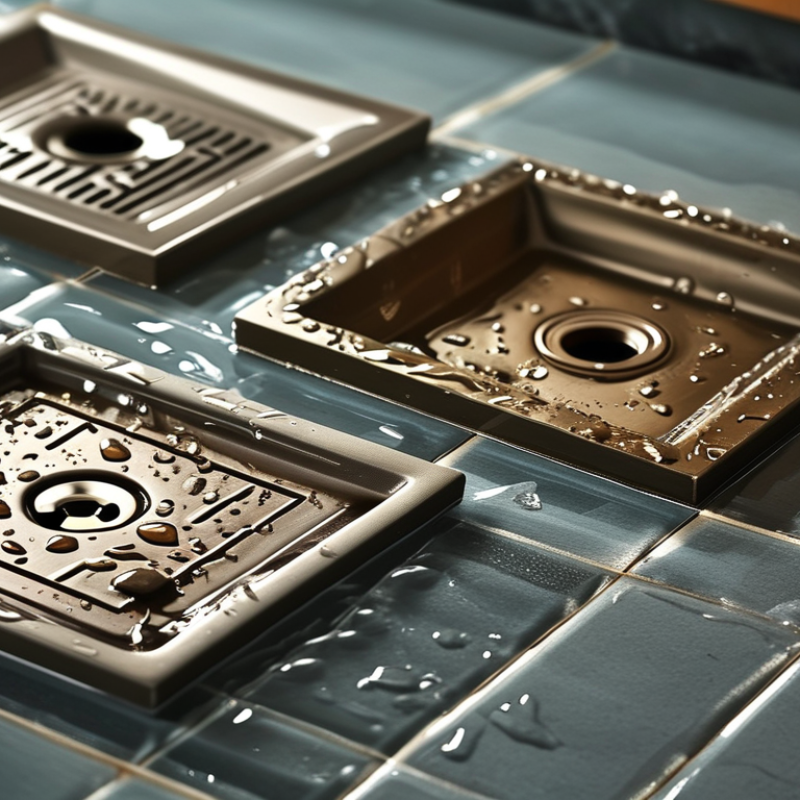
What is the Best Bathroom Floor Drain for Your Home?

What to Consider When Choosing a Bathroom Floor Drain

When choosing a bathroom floor drain, several factors come into play. The size of the drain is crucial. A larger drain can handle more water, especially in a busy household. Check the local plumbing codes for size requirements too. If you're constructing or renovating, consider the layout. Make sure the drain is positioned where water tends to pool.

Material choice also matters. Stainless steel is a popular option due to its durability and resistance to rust. However, it may require more maintenance than plastic alternatives. Think about aesthetics, too. A drain that blends with your flooring can enhance the overall look.

Don’t overlook the drainage system's design. A good design helps prevent clogs. Ensure it has an effective trap to discourage unpleasant odors. Sometimes, simple drains can become problematic if not installed correctly. Always look for professional advice when in doubt. A poorly chosen drain can cause more headaches than expected.

Bathroom Floor Drain Types and Their Popularity

Types of Bathroom Floor Drains: Pros and Cons

When choosing a bathroom floor drain, understanding different types is crucial. Each type comes with its own set of pros and cons, affecting functionality and maintenance.

Trench drains are popular for larger bathrooms. They are efficient at channeling water, preventing pooling. However, they can be more challenging to install and might require precise measurements. If the space isn’t right, you could end up with leaks.

Traditional round or square drains are simpler and easier to clean. They blend well with various decor styles. Yet, they may struggle with heavy water flow, leading to clogs. Homeowners often find themselves constantly clearing debris. It's essential to weigh these factors based on your bathroom's design and usage.

Material Comparison: Metal vs. Plastic for Drain Durability

When selecting a bathroom floor drain, material choice significantly impacts durability. Metal and plastic are the two most common options. According to a recent industry report, metal drains are generally more robust. They resist corrosion and withstand heavy loads. Stainless steel drains can last over 50 years when properly maintained. This durability makes them a preferred choice for many homeowners.

However, plastic drains, often made of PVC, are lightweight and resistant to chemical damage. They are less expensive and easier to install. Yet, studies show they may warp over time, especially in humid conditions. This can lead to potential leaks. Homeowners often regret choosing plastic if long-term reliability is a priority.

In terms of aesthetics, metal drains often look sleeker and more modern. They can better complement luxurious bathroom designs. On the other hand, plastic options offer a variety of colors but can sometimes appear less sophisticated. It is essential to weigh these factors carefully, as choosing the wrong material can lead to costly repairs down the line.

Flow Rate Requirements: Understanding GPM Standards for Drains

Understanding the flow rate of bathroom floor drains is essential for optimal performance. The standard flow rate for most residential bathroom drains ranges from 1.5 to 2.5 gallons per minute (GPM). This ensures that water is efficiently removed, preventing standing water and potential mold growth. According to the National Kitchen and Bath Association (NKBA), proper drainage is critical in maintaining a safe and hygienic bathroom environment.

When selecting a floor drain, consider the specific usage of your bathroom. Showers, for example, may require higher GPM ratings, especially if high-pressure showerheads are used. Research indicates that drains with flow rates above 2.0 GPM provide better clear-out capabilities, reducing water pooling after usage. However, many homeowners overlook this aspect, leading to dissatisfaction post-installation.

Tip: Always measure your shower's water pressure. This will provide clarity on the required GPM for your chosen drain. Additionally, inspecting your plumbing system can reveal any pressure issues. An experienced plumber can help assess the optimal flow rate for your needs. Remember, a drain's efficiency directly contributes to bathroom longevity.

What is the Best Bathroom Floor Drain for Your Home? - Flow Rate Requirements: Understanding GPM Standards for Drains

Drain Type Recommended GPM Material Installation Type Typical Use
Linear Drain 2-4 GPM Stainless Steel Surface Showers, Wet Areas
Point Drain 3-6 GPM PVC Embedded Traditional Bathtubs, Sinks
Trench Drain 4-10 GPM Galvanized Steel Surface Large Showers, Pools
Wall-Mounted Drain 2-5 GPM Plastic Wall Bathroom, Laundry Rooms

Installation Tips: Ensuring Proper Drainage and Water Flow

When considering the best bathroom floor drain, proper installation is crucial. The drain must be positioned low enough to allow water to flow easily. If it’s too high, water may pool, leading to potential damage. Choose a spot that offers the best slope, usually a quarter inch per foot. This ensures efficient drainage.

Before installation, inspect the existing plumbing. Look for any clogs or damage. Cleaning out the pipes before fitting the new drain can prevent future issues. Measure accurately; any misalignment can disrupt the drainage flow. Seal all joints properly with waterproof tape. A small oversight can lead to leaks down the line.

Ensure the drain cover matches the aesthetic of your bathroom. Functionality is key, but visuals matter too. A well-chosen drain enhances the overall look and feel. Take your time to research different designs. There’s no one-size-fits-all solution. Reflect on the unique requirements of your space and make informed choices.

FAQS

: What size bathroom floor drain should I choose?

: A larger drain can handle more water, especially in busy households. Always check local plumbing codes for size requirements.

What materials are best for bathroom drains?

Metal drains are durable and corrosion-resistant. Plastic drains are lighter but may warp over time. Consider long-term reliability.

How can I ensure effective drainage?

Position the drain low enough for easy water flow. A slope of a quarter inch per foot is ideal for drainage.

What are the pros and cons of metal drains?

Metal drains, like stainless steel, can last over 50 years but require maintenance. They also look sleek and modern.

Are plastic drains a viable option?

Plastic drains are lightweight and cheaper but may warp in humidity. They are less durable, leading to potential regrets later.

What should I check before drain installation?

Inspect existing plumbing for clogs or damage. Clean pipes and measure accurately to avoid future drainage issues.

How important is the drain cover's design?

The drain cover should match your bathroom's aesthetic. Functionality is key, but a good design enhances overall appearance.

Can improper drain installation cause problems?

Yes, incorrect positioning or alignment can lead to water pooling and leaks. A small oversight can create significant issues.

Conclusion

When selecting a Bathroom Floor Drain for your home, it's crucial to consider factors such as drainage efficiency, style, and material. The article outlines essential considerations, including the types of drains available and their respective pros and cons. Metal drains offer durability and aesthetic appeal, while plastic drains are often more cost-effective but may not provide the same longevity.

Understanding flow rate requirements, measured in gallons per minute (GPM), is also vital to ensure adequate water flow and prevent flooding. The article provides installation tips to help homeowners achieve proper drainage, ensuring that their chosen Bathroom Floor Drain functions effectively in all conditions. By evaluating these elements, homeowners can make informed decisions that enhance both functionality and design in their bathrooms.

Charlotte

Charlotte

Charlotte is a seasoned marketing professional with a deep understanding of the company's portfolio and a passion for elevating its presence in the market. With a keen eye for detail and a commitment to excellence, she ensures that our professional blog is regularly updated with insightful articles......