
Jutye Sanitary
Choosing the right Basin Sink Drain is crucial for any home. According to industry expert Mark Sullivan, “A well-chosen drain can prevent future plumbing issues.” This highlights the importance of making an informed decision.
Basin Sink Drains come in various types and styles. Each option serves different purposes and needs. Understanding these differences is essential to ensure you select the best fit for your home. Many people overlook this aspect and face regrets after installation.
Moreover, the marketplace offers various price points and materials. It can be tempting to go for cheaper options. However, investing in quality can save headaches later. A reliable Basin Sink Drain enhances functionality and longevity. Selection may seem overwhelming. But with the right knowledge, you can navigate this decision confidently.
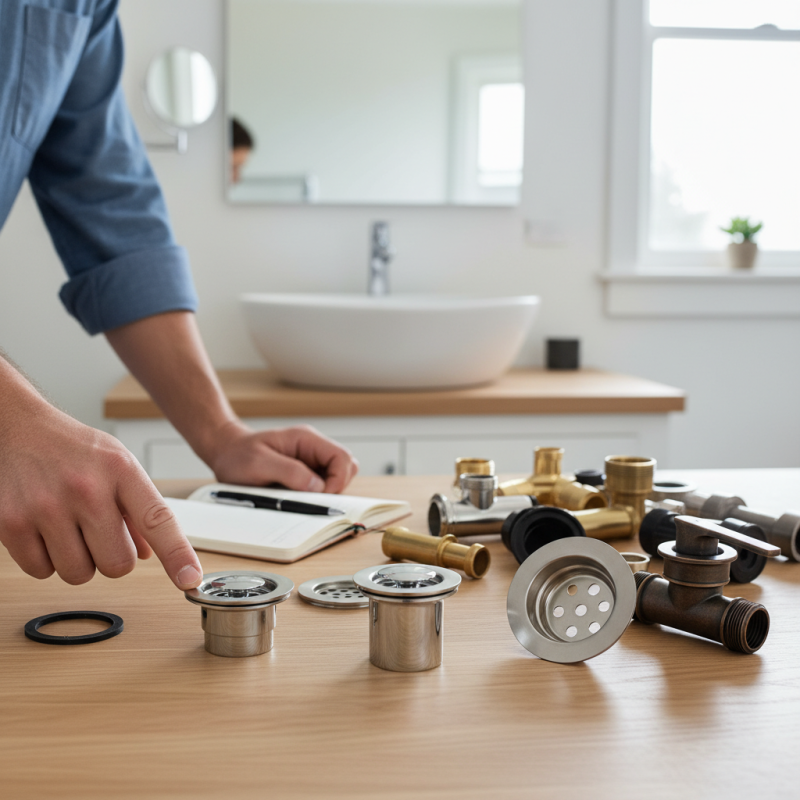
Choosing the right basin sink drain is crucial for efficient water management in your home. Various types of basin sink drains each serve unique purposes and come with distinct features. The most common types include pop-up drains, strainer drains, and lift-and-turn drains. According to industry reports, the pop-up type is favored for its ease of use and effectiveness. It allows users to easily open or close the drain without needing to touch the mechanism itself.
Strainer drains, on the other hand, are a classic choice, particularly popular in kitchens. They catch food particles and prevent clogs, which is critical in maintaining plumbing health. A survey conducted by the Home Improvement Research Institute indicates that nearly 30% of homeowners experience issues with drain blockages annually. Regular maintenance and the right choice in sink drains can minimize this risk. Lift-and-turn drains are known for their simple construction, yet they may not be as durable as pop-up designs.
Homeowners often overlook how choices in sink drains impact their plumbing. Selecting a drain with a reliable warranty can provide peace of mind. It helps to know that nearly 20% of homeowners report dissatisfaction due to poor quality in sink drains. Reflecting on these aspects reinforces the importance of making informed decisions while selecting your basin sink drain options. The nuances of each drain type can affect both functionality and long-term satisfaction.
When selecting a basin sink drain, it’s essential to consider several key factors. Material type plays a significant role. Common options include stainless steel, brass, and plastic. Each has its pros and cons regarding durability and resistance to corrosion. Stainless steel is often favored for its strength, but it may show water spots. Brass offers a classic look, yet it can tarnish over time.
Another crucial aspect is the drain size and fitting. Ensure your chosen drain will fit your sink properly. Measure the sink opening first. A poor fit can lead to leaks. Additionally, consider the drainage style. Pop-up drains and strainer types each offer unique benefits. Pop-ups are convenient, while strainers can be easier to clean.
Finally, reflect on the install process. Some drains are straightforward to install, while others might require professional help. If you’re unsure, don’t hesitate to seek guidance. The cost difference can be significant too. Investing in a reliable drain can save money on repairs later. Make informed choices to enhance your basin sink's functionality and longevity.
When choosing a basin sink drain, understanding the various styles and sizes is crucial. Different sink designs require specific drains to function effectively. Under-mount sinks, for example, depend on drains that align perfectly with their contours. The right fit helps prevent leaks and ensures optimal drainage.
For farmhouse sinks, consider options with a deep basket design. This design catches debris effectively, making cleanup easier. Pedestal sinks may require a more streamlined drain, which blends well with the sink’s aesthetic.
It's essential to note that not all drains are created equal. Some consumers may overlook the importance of quality materials. Plastic drains might be cheaper, but they can degrade over time. Choosing a more durable metal option could increase longevity. Always assess the specific needs of your sink to find the best match. Balancing functionality and design can seem challenging, but it’s worth the consideration.
| Model | Material | Style | Size | Flow Rate (GPM) | Price ($) |
|---|---|---|---|---|---|
| Model A | Stainless Steel | Contemporary | Standard | 2.0 | 50 |
| Model B | Brass | Traditional | Large | 1.5 | 75 |
| Model C | Plastic | Modern | Compact | 3.0 | 25 |
| Model D | Cast Iron | Rustic | Oversized | 1.2 | 100 |
| Model E | Ceramic | Elegant | Standard | 2.5 | 60 |
When considering basin sink drains, proper installation is crucial for functionality. According to the Home Improvement Research Institute, nearly 30% of plumbing issues stem from incorrect drain installation. This underscores the significance of understanding the specific requirements for your sink type.
Begin by assessing the size of your sink’s drain hole. Standard sizes range from 1.25 to 1.75 inches. Choosing the right drain that fits these dimensions can prevent future leaks. Use plumber’s tape on threads to create a watertight seal. Even a small gap can lead to significant issues, including water damage.
Preparation is key. Ensure the area under the sink is clean and dry. A messy workspace can lead to errors. Familiarize yourself with plumbing codes in your area, as compliance is critical. A recent report noted that 15% of homeowners faced fines due to non-compliance with local codes. Take your time during installation to avoid these complications. Remember, a well-installed drain enhances the longevity of your sink and minimizes maintenance costs.
Maintaining a basin sink drain is crucial for optimal performance. Regular cleaning can prevent clogs and odors. According to a 2022 plumbing report, 30% of homeowners face drainage issues annually. Most of these problems arise from neglecting basic maintenance. Simple practices can prolong drain life.
To troubleshoot common issues, consider the type of debris causing blockages. Hair, soap residue, and food particles frequently gather. Keep a drain strainer in place. This small step can catch larger debris before it accumulates. It’s essential to flush drains with hot water weekly. This practice keeps them clear and functioning smoothly.
Lastly, don’t ignore unusual sounds or slow draining. These signs indicate potential problems. A 2023 homeowner survey revealed that 40% of respondents noticed these issues but delayed action. Regular inspections can catch problems early. Taking a proactive approach is smart. It may save costly repairs down the line.
: The common types are pop-up drains, strainer drains, and lift-and-turn drains. Each serves a unique purpose.
They allow easy opening and closing without touching the mechanism. This feature enhances user convenience.
Strainer drains catch food particles and prevent clogs, helping maintain smooth plumbing functionality.
Nearly 30% of homeowners report experiencing blockage problems. Regular maintenance helps reduce this risk.
They are easier to operate but may not be as durable as pop-up designs, leading to potential issues later.
Many homeowners, about 20%, express dissatisfaction due to low-quality drains. Investing in reliable options is vital.
Correct drainage alignment is crucial. Under-mount sinks need drains that fit their contours to prevent leaks.
Improper installation accounts for nearly 30% of plumbing problems. A small gap can result in significant water damage.
A clean and dry area is essential. Messy spaces can lead to mistakes and complicate proper installation.
About 15% of homeowners face fines for non-compliance. Understanding these codes is important for avoiding issues.
In the quest for the best basin sink drain options for your home, understanding the various types and their unique features is crucial. Basin sink drains come in a variety of designs, which cater to different sink styles and sizes. When selecting a suitable drain, factors such as material durability, installation compatibility, and maintenance ease should be considered to ensure long-lasting performance.
The article further explores top 2026 models suited for diverse sink configurations, providing installation tips to simplify the process. Additionally, it offers valuable maintenance and troubleshooting advice to help homeowners keep their basin sink drains functioning optimally. Ultimately, making an informed choice regarding your basin sink drain will enhance the efficiency and longevity of your sink setup.
