
Jutye Sanitary
Choosing the right Angle Valve is a small decision with visible consequences. A loose connection can leave water beneath a kitchen cabinet overnight. A poor cartridge may cause noise, uneven flow, or repeated maintenance.
Global buyers face wider choices than chrome finish and price. They must compare body material, inlet size, outlet thread, pressure rating, temperature range, seal quality, and certification. Brass, stainless steel, and engineered polymers behave differently in hard water and humid rooms. A quarter-turn handle is convenient, but its internal sealing design matters more.
Grand View Research and MarketsandMarkets both identify plumbing and industrial valve demand as expanding with construction, water infrastructure, and replacement activity. Their published market studies usually group angle valves within broader valve categories. That limitation deserves attention. Category-level growth does not prove that every Angle Valve supplier offers equal reliability.
Peter Smith, co-author of the Valve Selection Handbook, captures the practical principle: “Valve selection begins with the service, not the catalog.” Buyers should treat that sentence seriously. A 1/2-inch valve for a washbasin is not automatically suitable for a boiler feed line. Check the actual installation.
This guide compares seven Angle Valve options for global purchasing teams. It considers performance, material traceability, installation convenience, certifications, after-sales support, and total ownership cost. The cheapest item may still become expensive after one failed seal. Some specifications remain difficult to verify online. That is where careful questioning matters.
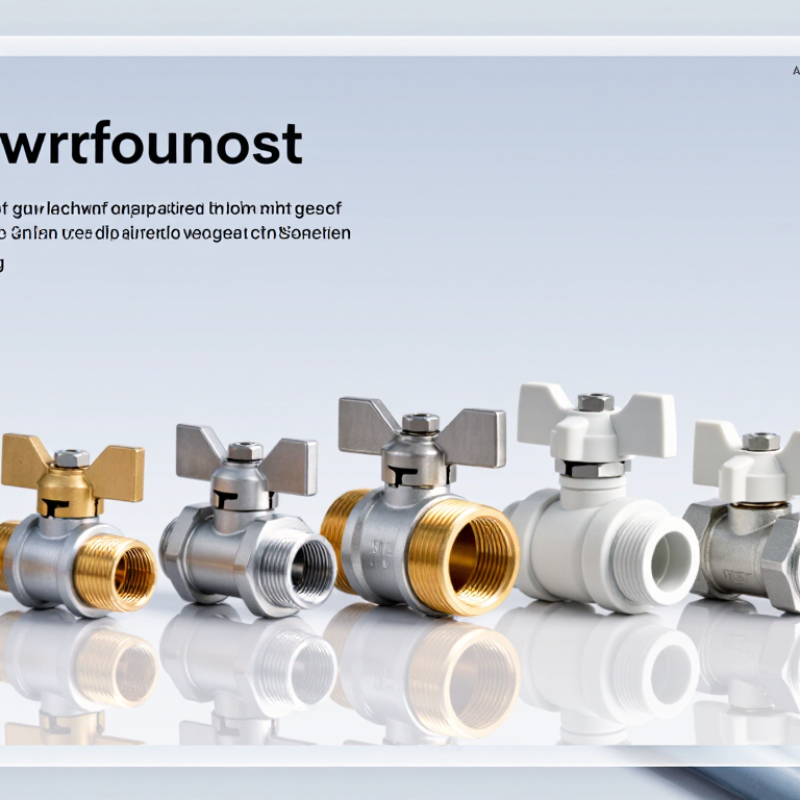
An angle valve changes flow direction through a 90-degree passage. This compact design saves space beside walls, tanks, and machinery. It can isolate equipment, regulate water, or support maintenance work. In field inspections, the valve handle often reveals its value. A quarter-turn can stop a line quickly.
Port configuration matters before any purchase. Female-threaded, male-threaded, compression, flanged, and welded connections suit different systems. Check the nominal size, thread standard, pressure rating, and installation direction. A small mismatch can cause leakage or expensive rework. Some buyers focus on diameter alone. That is not enough.
Material selection should follow the fluid, temperature, and environment. Brass suits many general water services, while stainless steel offers better corrosion resistance. Plastic bodies can work well in compatible low-temperature applications. Seal materials also deserve attention because chemicals and heat may weaken them. Common uses include plumbing fixtures, irrigation lines, pneumatic equipment, and process skids. For outdoor installations, ultraviolet exposure and freezing conditions need review. I have seen well-made valves fail after poor support left the pipe carrying excessive weight. That detail is easy to miss. Flow control may also suffer when a valve is treated as a precision regulator without checking its internal design. Buyers should request test records, traceable material information, and clear installation instructions. Even then, supplier documents require practical verification. Conditions in the actual system can differ from the catalog.
Angle valves redirect the flow path by approximately 90°. The chart shows widely used nominal connection sizes and their conventional DN equivalents. DN values are nominal designations, not exact internal bore measurements.
For global buyers, an angle valve should match the piping system, not only the catalog image. ASME B16.34 defines important valve requirements, including pressure-temperature ratings, materials, and end connections. It supports safer selection across varied industrial services. However, compliance depends on the exact valve design, material grade, and applicable edition.
Pressure Class 150 suits many moderate-duty systems. Classes 300, 600, 900, 1500, and 2500 support progressively higher design pressures and temperatures. Higher class does not automatically mean better performance. It can increase weight, cost, bolting demands, and actuator torque. ISO 5208 is different. It specifies pressure testing and leakage acceptance for metallic valves. Buyers should request test reports showing the pressure, duration, medium, and leakage rate. A certificate alone may not reveal every installation risk.
Tips: Confirm the pressure-temperature table first. Check flange dimensions and face-to-face space. Ask whether the valve passed ISO 5208 testing at the required rate. Review material traceability and inspection records. In practice, I have seen buyers compare pressure classes but overlook temperature limits. That mistake can weaken an otherwise careful specification. Also verify local piping standards, actuator sizing, corrosion allowance, and maintenance access before approving the final seven-valve shortlist.
7 Best Angle Valves for Global Buyers?
For global buyers, an angle valve should be judged by measured performance, not appearance. The flow coefficient, Cv, indicates how much water passes at a defined pressure drop. ISA 75.01.01 explains that Cv depends on test conditions, fluid density, and valve geometry. A larger Cv is not automatically better. Excessive flow can create noise, erosion, and unstable control. In field commissioning, a valve rated near the operating point usually performs more predictably. Check the supplier’s test medium, pressure, and measurement tolerance.
Leakage requires equal attention. ISO 5208:2015 classifies seat leakage through controlled test procedures, while API 598 defines common inspection practices for industrial valves. Ask for the actual leakage rate, not only “bubble-tight” language. A tiny seat leak may be acceptable in utility service, but unacceptable in isolation duty. Temperature limits also need careful reading. ASME B16.34 requires pressure-temperature ratings based on materials and design. PTFE seals may lose reliability at elevated temperatures, even when the metal body remains strong. This is where many catalog comparisons become misleading.
Tips: Compare Cv at your real pressure drop. Request test certificates and leakage class. Confirm temperature derating, seal material, cycle count, and installation direction. Leave a safety margin. It is tempting to choose the highest rating, but that choice can reduce control quality. Some published figures also lack enough test detail; treat them cautiously.
For global projects, the best angle valve depends on pipe size, pressure, fluid, and installation space. DN15 and DN20 threaded valves suit washbasins, small filters, and compact utility lines. Choose brass or stainless steel bodies for better corrosion resistance. A PN10 or PN16 rating is commonly suitable for moderate service, but actual system pressure must be verified.
DN25 compression-end valves support quick maintenance on smaller water lines. DN32 and DN40 threaded or socket-welded valves offer stronger connections for equipment branches. For higher loads, DN50 flanged angle valves with PN16 or PN25 ratings provide easier alignment and safer inspection. DN80 valves often use flanged ends for industrial water, heating, or process piping. DN100 models need careful support, gasket selection, and flow-direction checks. They are not simply larger versions of DN15 valves.
End connection matters more than many buyers expect.
Threaded ends save space, while flanges simplify replacement. Welded ends reduce leakage paths, but they require skilled installation and clean pipe preparation. Pressure ratings may change with temperature, material, and fluid type. Check the valve marking, pressure test record, sealing material, and applicable project standards before ordering. Do not rely on size alone. A PN25 valve may still fail when the wrong gasket, actuator, or installation method is used. The “best” choice can remain uncertain until real operating data is reviewed.
7 Best Angle Valves for Global Buyers?
Certification should match the installation, not merely the sales region. Ask for pressure, temperature, material, and leakage-test records. ISO 5208 provides a recognized framework for pressure testing industrial valves. An ISO 9001 certificate alone does not prove valve performance. It only indicates a quality-management system. Request traceable material certificates, batch numbers, and third-party inspection where risks are high. NACE’s IMPACT study estimated corrosion costs at 2.5 trillion dollars globally, or 3.4% of world GDP. That figure is from 2016, but its warning remains practical.
Corrosion resistance depends on chemistry, temperature, velocity, and stagnant zones. Stainless steel may fail in chloride-rich water. Duplex alloys can offer better resistance, but their price and availability vary. Seat material matters too. PTFE, reinforced polymers, and metal seats behave differently under heat and abrasion. I have seen buyers compare body materials while ignoring the stem seal. That is an expensive oversight. Small details matter.
Actuation changes total cost. Manual handles suit infrequent operation. Pneumatic actuators support rapid cycling, but compressors consume energy. U.S. Department of Energy guidance notes that compressed-air leaks can waste 20–30% of compressor output. Electric actuators avoid air systems, yet need suitable ingress protection and reliable power. Specify torque, cycle frequency, failure position, and response time. Include spare-part access and replacement labor. A low purchase price can become costly after two years. Some choices remain debatable. Field conditions should decide.
| No. | Recommended Application | Angle-Valve Type | Typical Materials | Connection & Size Range | Typical Pressure / Temperature | Corrosion Resistance | Actuation | Relevant Certification / Standards | Indicative Unit Cost* | Total-Cost Outlook |
|---|---|---|---|---|---|---|---|---|---|---|
| 1 | Residential water supply Reliable shutoff for sinks, toilets, and appliances |
Manual angle-stop valve with compression outlet | DZR brass or forged brass body; stainless-steel or brass stem; PTFE or EPDM seals | Compression, threaded, or push-fit; commonly 1/2 in inlet with 3/8 in or 1/2 in outlet | Usually up to 10 bar / 145 psi; approximately 0–82°C, depending on seals and listing | Good with dezincification-resistant brass; avoid continuous exposure to aggressive chemicals | Quarter-turn lever or multi-turn handwheel | NSF/ANSI/CAN 61 or equivalent potable-water approval where required; local plumbing code compliance | US$5–25 | Lowest purchase and installation cost; replaceable cartridges and standard fittings can reduce maintenance expense |
| 2 | Corrosive water or coastal environments Marine, humid, and chloride-exposed installations |
Stainless-steel angle isolation valve | CF8M / 316 stainless-steel body and trim; PTFE, FKM, or EPDM seals | Threaded, compression, or flared; commonly DN15–DN25 / 1/2–1 in | Typically 10–16 bar / 145–232 psi; approximately −20–150°C, seal-dependent | Very good general resistance; 316 is preferable to 304 in chloride-containing atmospheres, but is not immune to pitting | Manual quarter-turn or handwheel | Material certificate to EN 10204 3.1 when specified; pressure testing commonly referenced to EN 12266-1 or API 598 | US$20–90 | Higher purchase price but often lower replacement frequency in corrosive service; inspect for galvanic compatibility |
| 3 | Industrial throttling and isolation Steam, water, air, and general process piping |
Angle-pattern globe valve | Carbon steel, stainless steel, or alloy-steel body; stainless trim; graphite or PTFE packing | Flanged, threaded, or welded; commonly DN15–DN100 / 1/2–4 in | Approximately PN16–PN40 / Class 150–300; temperature commonly −29–400°C, design-dependent | Carbon steel suits non-corrosive service; stainless or alloy construction is preferred for wet, chemical, or high-temperature media | Handwheel, electric actuator, or pneumatic diaphragm actuator | ASME B16.34 for pressure-temperature design; ASME B16.5 for applicable flanges; API 598 or EN 12266-1 for testing | US$80–600 | Good control capability, but greater pressure loss than a full-bore ball valve; actuator and maintenance costs may dominate |
| 4 | High-cycle automated process lines Fast, repeatable on/off operation |
Pneumatically actuated angle-seat valve | Stainless-steel or bronze body; stainless stem; PTFE or high-temperature elastomer seat | Threaded, clamp, or welded; commonly DN15–DN80 / 1/2–3 in | Often up to 16 bar / 232 psi; media temperature typically 0–180°C, depending on seat material | Stainless construction provides good resistance to water, steam condensate, and many mild process fluids | Single- or double-acting pneumatic actuator; optional limit switch or position feedback | ISO 5211 interface where applicable; IEC 60534 principles may apply to control service; ATEX suitability must be separately verified for hazardous areas | US$150–900 | Higher initial cost and requires compressed air, but fast cycling and low manual labor can reduce operating cost |
| 5 | Hygienic food, beverage, and pharmaceutical service Cleanable product-contact piping |
Sanitary angle valve with clamp connection | 316L stainless-steel wetted parts; polished internal surfaces; FDA-compliant elastomers where required | Tri-clamp or hygienic weld ends; commonly DN15–DN80 / 1/2–3 in | Typically 6–10 bar / 87–145 psi; approximately 0–150°C, CIP/SIP capability depending on design | Excellent when 316L, suitable surface finish, proper drainage, and compatible cleaning chemicals are specified | Manual, pneumatic, or electric actuator | 3-A Sanitary Standards, EHEDG principles, FDA-compliant elastomers, and EC 1935/2004 may apply according to market and application | US$180–1,200 | Premium acquisition cost can be justified by hygienic design, cleanability, reduced contamination risk, and longer service intervals |
| 6 | Precise low-flow adjustment Instrumentation, sampling, and calibration systems |
Angle-pattern needle valve | 316 stainless steel; optional brass or alloy body; PTFE, graphite, or metal seals | Compression tube, NPT, BSP, or welded; commonly 1/8–1 in | Often 100–400 bar / 1,450–5,800 psi for small-bore designs; temperature depends strongly on packing and media | 316 stainless steel offers strong general resistance; verify chloride, sour-gas, and chemical compatibility separately | Manual handwheel; optional electric or pneumatic actuation for remote metering | ASME B16.34 where applicable; NACE MR0175 / ISO 15156 may be required for sour-service materials | US$30–250 | Low flow capacity keeps purchase cost moderate; correct sizing is essential to prevent poor controllability and unnecessary pressure loss |
| 7 | Compact compressed-air systems Machine tools, packaging, and pneumatic equipment |
Miniature angle ball valve | Nickel-plated brass or stainless-steel body; PTFE seats; NBR or FKM seals | Push-in tube, G-thread, NPT, or BSP; commonly 6–12 mm tube or 1/8–1/2 in port | Typically up to 10 bar / 145 psi; approximately −20–80°C, seal-dependent | Nickel-plated brass is suitable for normal indoor air; stainless steel is preferable for washdown or humid environments | Manual lever; some versions integrate a pneumatic actuator or flow-control function | ISO 4414 safety principles for pneumatic systems; ISO 14743 may apply to push-in fittings; verify product-specific conformity marking | US$4–35 | Very low purchase cost and easy replacement; fitting quality and leakage rate have the greatest effect on lifecycle cost |
An angle valve redirects flow through a 90-degree passage. It fits neatly beside walls, tanks, and machinery. A quarter-turn can stop the line quickly.
Common options include female threads, male threads, compression ends, flanges, and welded ends. Each suits different piping systems. Check the thread standard and installation direction.
Match the valve with the pipe’s nominal diameter and actual flow needs. DN15 and DN20 suit small utility lines. Larger sizes need stronger support and careful alignment.
Brass works for many general water services. Stainless steel offers stronger corrosion resistance. Plastic may suit compatible, low-temperature applications. Seal materials also need chemical and heat review.
No. Higher ratings can increase weight, cost, bolting demands, and actuator torque. Check pressure and temperature together. A higher class is not automatically safer.
Support the pipe independently. Do not let its weight hang from the valve. Check flow direction, gasket fit, tightening, and maintenance access. It is easy to miss.
Not always. Some designs mainly isolate equipment rather than provide accurate regulation. Confirm the internal design before using the valve as a control device.
Request pressure-test results, material traceability, inspection records, and installation instructions. Review the test pressure, duration, medium, and leakage rate. Documents help, but field conditions may differ.
This guide explains how an Angle Valve provides precise 90-degree flow control in plumbing, process, and industrial systems. It covers port configurations, common materials, and application requirements, helping global buyers understand how valve design affects durability and service performance. It also introduces key international considerations, including ASME B16.34, ISO 5208, and pressure classes from 150 to 2500, while showing how flow coefficient (Cv), leakage rates, and temperature limits influence product selection.
Seven angle valve options are compared by DN size, pressure rating, and end connection to support practical decision-making across different installations. The buyer’s guide highlights essential evaluation factors such as certification, corrosion resistance, manual or automated actuation, maintenance needs, and total cost of ownership. By balancing technical specifications with operating conditions and lifecycle expenses, buyers can select a reliable valve that matches system safety, efficiency, and long-term performance goals.
