
Jutye Sanitary Jutye Sanitary

2026 Top Kitchen Sink Drain Pipe Wash Buying Guide

Time:2026-09-06 Author:Aria
0%

A kitchen sink may look clean while grease, soap, and food particles quietly gather inside its drain line. Choosing the right Kitchen Sink Drain Pipe Wash can help remove buildup before slow drainage becomes a daily frustration. This 2026 buying guide examines practical formulas, safe application methods, material compatibility, and realistic maintenance needs.

Richard Trethewey, a respected plumbing and heating expert from This Old House, has often stressed the importance of prevention: “The best plumbing problems are the ones you prevent.” That principle matters here. A powerful cleaner is not automatically the best choice. Stainless steel, PVC, rubber seals, and older connections may react differently. Always check the product label. Follow the stated contact time.

The guide also considers real kitchen conditions. A drain may carry cooking oil, coffee grounds, rice, and small vegetable fibers within the same week. Some washes handle grease well but perform poorly against hardened residue. Others smell mild but require repeated applications. That difference can affect value.

No product solves every blockage. Sometimes the pipe needs mechanical cleaning or professional inspection. This point is easy to overlook. Buying decisions should include pipe age, blockage severity, household habits, and ventilation. A reliable Kitchen Sink Drain Pipe Wash should offer clear instructions, suitable ingredients, secure packaging, and transparent safety guidance. It should support maintenance, not encourage careless overuse. Even experienced homeowners can misjudge a stubborn clog. Careful selection remains more sensible than chasing the strongest formula.
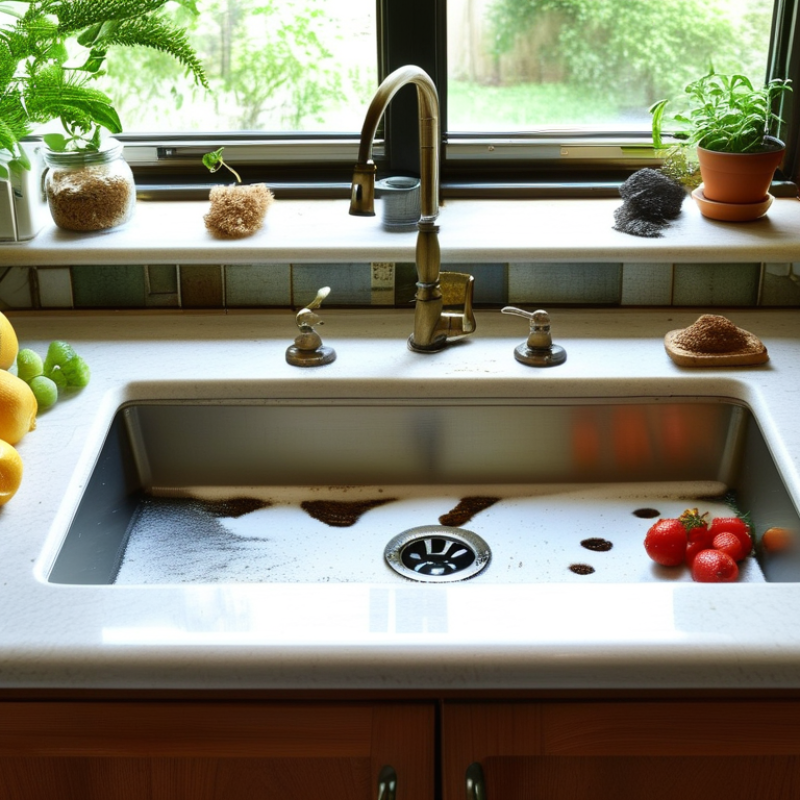
2026 Top Kitchen Sink Drain Pipe Wash Buying Guide

What Is a Kitchen Sink Drain Pipe Wash?

A kitchen sink drain pipe wash is a cleaning and flushing process for the drain line beneath a sink. It removes grease, food particles, soap film, and soft buildup from the trap and connected pipe. The term is not perfectly standardized. Some sellers use it for a liquid cleaner, while others mean a pressurized rinse or manual pipe-washing service.

The process usually starts with removing standing water and inspecting the trap. A careful wash then sends controlled water through the pipe, rather than forcing debris deeper into the wall. For light buildup, warm water and a suitable drain-safe cleaner may help. However, harsh chemicals can damage seals, irritate skin, or hide a developing blockage. I have found that slow drainage often needs inspection, not another chemical dose.

The U.S. Environmental Protection Agency’s WaterSense program reports that household leaks waste nearly one trillion gallons of water annually in the United States. A poor drain seal can add to that waste, even when the leak is only a quiet drip. The U.S. Census Bureau’s American Housing Survey also treats complete plumbing as a basic housing standard, including piped water and a flush toilet. This supports a practical point: drain washing should preserve both flow and watertight connections. Check the trap, gasket, pipe slope, and wall connection after cleaning. A pipe that looks clean may still leak.

How to Choose the Right Drain Pipe Wash for Your Sink

Choosing the right drain pipe wash starts with the sink, not the label. In my maintenance work, I check the pipe material, trap shape, and blockage type before using any cleaner. A stainless-steel sink may connect to plastic piping, and that combination needs careful treatment. Grease feels soft at first, but it can harden deep inside the bend. Hair, food fibers, and mineral scale require different cleaning approaches. Do not assume one formula suits every drain. That mistake is common.

Read the directions and safety data carefully. A suitable wash should state compatible materials, contact time, dilution, and flushing instructions. For light kitchen buildup, a mild formula with warm-water rinsing may be enough. Heavy deposits might need a mechanical tool instead of stronger chemicals. Never mix cleaning products. Ventilate the room, protect your hands and eyes, and keep the bottle away from children. These are basic steps, yet rushed maintenance often skips them.

Choose a product with clear testing information and traceable manufacturer details. Independent reviews help, but verify whether users cleaned similar sinks and pipe systems. I also measure the drain opening and inspect for leaks before washing. If water backs up repeatedly, the cause may be a damaged trap or poor pipe slope. Cleaning will not repair that. I have learned to pause when a quick fix seems too easy. After treatment, flush gradually and watch the joints beneath the cabinet for drips. A clean drain should flow quietly, not merely disappear for one day.

Key Materials, Sizes, and Compatibility Features

A dependable sink drain pipe starts with the right material, not the lowest price. In home repairs, I often see thin plastic deform under hot water and overtightened nuts. PVC is light, affordable, and resists everyday corrosion. Stainless steel offers better heat tolerance and a firmer feel beneath the cabinet. Brass is strong, but its finish can weaken when cleaners are used carelessly. Choose a smooth interior, because rough joints can hold grease and food particles. Materials vary in quality, even when they look identical.

Size checks prevent most installation failures. Measure the drain outlet diameter, tailpiece length, and available cabinet clearance. Common kitchen drain connections use 1½-inch outlets, but some sinks require different fittings. Match the pipe diameter throughout the assembly whenever possible. A reducer may solve a mismatch, but it can create extra buildup points. Check thread type, washer shape, and trap alignment before ordering. I once trusted an old measurement and bought a pipe that was three millimeters short. That small error caused a slow leak.

Tips: Photograph the existing assembly first. Measure twice, including the wall connection. Select adjustable sections only when fixed pieces cannot align cleanly. Test every joint with water, then inspect it again after several hours. Compatibility charts help, but actual sink and wall measurements remain more reliable.

2026 Top Kitchen Sink Drain Pipe Wash Buying Guide - Key Materials, Sizes, and Compatibility Features

Buying Dimension Common Options Typical Specifications Compatibility Check Recommended Use
Drain outlet size 1-1/2 inch; 1-1/4 inch 1-1/2 inch is the most common kitchen tubular drain size. 1-1/4 inch is more typical of bathroom lavatories. Match the pipe or trap inlet to the sink tailpiece and existing waste connection; do not rely on outside appearance alone. Use 1-1/2 inch for most standard kitchen sinks unless the existing installation specifies otherwise.
Metric sizing 40 mm; 32 mm 40 mm waste fittings are commonly used for kitchen applications in metric plumbing systems; 32 mm is generally smaller. Confirm whether the system uses metric fittings or nominal inch fittings. A 40 mm fitting is not automatically interchangeable with every 1-1/2 inch fitting. Choose the same measurement system as the sink waste, trap, and wall connection.
Pipe material Polypropylene; PVC; ABS; brass; stainless steel Plastic options are lightweight and corrosion-resistant. Brass and stainless steel provide a rigid, visible finish and are commonly used for exposed components. Use compatible slip-joint washers, nuts, solvent cement, or compression seals as required by the material and fitting design. Select plastic for concealed, economical installations and metal for exposed or appearance-focused installations.
P-trap configuration Standard P-trap; adjustable P-trap; double-bowl P-trap kit A P-trap retains water to block sewer gases. Adjustable sections help accommodate variations in tailpiece and wall-drain locations. Check inlet and outlet diameter, outlet direction, available cabinet depth, and the position of the wall drain. Use a double-bowl configuration only when both sink outlets are designed to connect to a shared waste assembly.
Sink strainer connection Basket strainer tailpiece; continuous waste connection Many standard kitchen sink basket strainers use a 3-1/2 inch sink opening and connect to a 1-1/2 inch tailpiece or waste fitting. Measure the sink opening and verify the tailpiece diameter before purchasing the drain pipe or trap. A deeper or insulated sink may require a shorter tailpiece or a compact trap arrangement.
Slip-joint compatibility Slip-joint nut and beveled washer; fixed solvent-weld connection Slip-joint fittings are adjustable and serviceable. Solvent-weld systems create permanent joints and require matching plastic types and cement. Confirm nut diameter, washer profile, pipe insertion depth, and whether the existing connection is threaded, compression-based, or solvent-welded. Slip joints are convenient under sinks where future cleaning or disassembly may be needed.
Dishwasher branch connection Branch-tailpiece inlet; air-gap connection; high-loop hose connection A branch tailpiece can connect the dishwasher hose to the sink drain. Dishwasher hoses commonly use approximately 5/8 inch or 7/8 inch inside diameters, depending on the appliance and adapter. Measure the hose end and match it to the branch barb or adapter. Follow local requirements for an air gap or high loop. Choose a branch fitting only when a dishwasher or other auxiliary appliance must share the sink drain.
Garbage disposal compatibility Disposal elbow; disposal-compatible continuous waste kit Disposal outlets typically connect through a dedicated elbow and tubular or continuous-waste piping rather than a standard sink tailpiece. Check the outlet position, elbow diameter, dishwasher inlet, and available clearance inside the cabinet. Use a disposal-specific connection for sinks fitted with a food-waste disposer.
Wall connection and adapter Direct tubular adapter; trap adapter; reducing or increasing adapter The wall stub-out may be tubular, threaded, solvent-welded, or a different nominal size from the sink trap. Identify the wall pipe material, connection type, diameter, and centerline height before selecting an adapter. Use a listed trap adapter rather than forcing mismatched threads or pipe sizes together.
Pipe length and adjustability Fixed tailpiece; extension tube; telescoping or adjustable tube Adjustable components help align the trap without excessive cutting, but excessive extensions can increase leak points and reduce cabinet clearance. Measure from the strainer outlet to the wall drain and allow room for washers, nuts, and trap maintenance. Use the shortest practical layout with smooth alignment and no forced bends.
Seal and leak control Conical washer; flat washer; gasket; plumber's putty or approved sealant Slip-joint connections generally seal with the correct washer positioned against the fitting shoulder. Sink strainers require a compatible sealing method. Match the washer shape to the joint and follow the sink or fitting manufacturer's sealing instructions. Do not use sealant as a substitute for a missing or incorrectly sized washer.
Corrosion and chemical resistance Plastic; chrome-plated brass; stainless steel Plastic resists ordinary household moisture and many cleaning conditions. Metal finishes can scratch or corrode when exposed to harsh chemicals or standing water. Check chemical compatibility before using strong drain cleaners, solvents, or abrasive products. Prioritize corrosion-resistant material in humid cabinets, coastal areas, or installations with frequent condensation.
Maintenance access Removable cleanout; accessible P-trap; serviceable slip joints A removable trap or cleanout allows access for clearing food particles and sediment without cutting the pipe. Ensure the trap can be removed inside the cabinet and that nearby shelves or drawers do not block access. Prefer serviceable connections for kitchens with frequent food waste or limited drain access.
Important measurement note: Nominal pipe sizes, outside diameters, inside diameters, and metric dimensions are not always interchangeable. Measure the existing sink tailpiece, trap, wall stub-out, and appliance hose before ordering replacement drain components. Always follow applicable plumbing codes and installation instructions.

Step-by-Step Guide to Using a Drain Pipe Wash

In routine sink maintenance, I treat a drain pipe wash as a controlled flush, not a quick splash. Clear dishes from the basin and remove standing water with a cup. Place a bucket beneath the trap, then wear gloves and eye protection. Check the pipe joints for cracks, corrosion, or loose washers before opening anything. A small mistake matters.

Pour warm water slowly through the drain. Avoid boiling water, especially with older plastic pipes. Add a small amount of mild dish detergent to loosen greasy residue. Let the solution sit for several minutes. Use a flexible drain brush to scrub the visible opening and the trap interior. Do not force the brush past a blockage. It may push debris deeper.

Rinse with another slow stream of warm water. Watch the bucket for dark sludge, food particles, or unusual fragments. If the trap was removed, clean its washers and reconnect each joint by hand. Tighten gently with pliers only when necessary. Run water for two minutes, then dry the joints with a paper towel. Check for fresh moisture. I once tightened a fitting too much and damaged its seal, so patience is important. Persistent odors, repeated backups, or leaking inside a cabinet require professional inspection. Never mix drain chemicals, because their fumes and reactions can cause serious harm.

Maintenance, Safety, and Buying Considerations

2026 Top Kitchen Sink Drain Pipe Wash Buying Guide

Maintenance, Safety, and Buying Considerations

A clean drain pipe helps prevent odors, slow drainage, and water damage beneath the cabinet. I inspect the trap, slip joints, and rubber washers every few months. Place a bucket underneath before loosening anything. A small flashlight often reveals hidden grease and cracked seals.

For routine cleaning, choose a flexible brush that fits the pipe without scraping aggressively. Enzymatic cleaners may work slowly, while mechanical cleaning gives faster control. Never mix cleaning chemicals. Wear gloves and eye protection, and keep the cabinet ventilated. Boiling water can soften some grease, but it may damage certain plastic connections. Warm water is safer for unknown materials.

Measure the drain opening and pipe diameter before buying a washing tool or replacement part. Check whether the system uses plastic, metal, compression fittings, or threaded connections. The trap should remain accessible after installation. A tool that is too rigid may puncture a thin pipe or push debris deeper. I once focused on cleaning speed and ignored a worn washer; the leak appeared days later. That mistake changed my buying checklist. Price matters, but fit, material strength, washable parts, and clear safety instructions matter more. If water backs up repeatedly, or a joint continues leaking, stop experimenting and seek qualified plumbing advice.

2026 Top Kitchen Sink Drain Pipe Wash Buying Guide

Maintenance, safety, and buying considerations for keeping a kitchen sink drain system clean and reliable.

These practical maintenance intervals help reduce grease buildup, odors, blockages, and leaks. Choose a compatible drain washer or cleaning tool based on pipe diameter, material, temperature resistance, and safe use with household plumbing.

FAQS

: How do I choose the right drain pipe wash?

: Check the sink, pipe material, trap shape, and blockage type. Grease, hair, food fibers, and mineral scale need different treatments. One formula may not suit every drain.

What should I check before using a drain wash?

Read the directions and safety information. Confirm material compatibility, contact time, dilution, and flushing instructions. Inspect the drain opening and look for leaks.

Is a stronger cleaner always better for heavy buildup?

No. Heavy deposits may need a mechanical tool instead. Stronger chemicals can damage pipes or worsen existing problems. I sometimes mistake speed for effectiveness.

How can I use a drain wash safely?

Wear gloves and eye protection. Ventilate the room. Keep the container away from children. Never mix cleaning products.

Which pipe materials need special attention?

Plastic piping can deform under very hot water. Metal piping tolerates heat better, but careless cleaners may weaken its finish. Material quality also varies.

What pipe size details should I measure?

Measure the drain outlet, tailpiece length, wall connection, and cabinet clearance. Many kitchen connections use 1½-inch outlets, but not all do. Measure twice.

Can a drain wash fix repeated water backups?

Not always. Repeated backups may indicate a damaged trap or poor pipe slope. Cleaning cannot repair structural problems. Pause when a quick fix seems too easy.

How do I check the drain after washing?

Flush gradually with water. Watch the joints beneath the cabinet for drips. Check again several hours later. Quiet flow matters more than one temporary improvement.

Should I trust compatibility charts when replacing drain pipes?

Use charts as guidance, but verify actual measurements. Check thread type, washer shape, trap alignment, and wall connection. A three-millimeter error once caused my slow leak.

Conclusion

A Kitchen Sink Drain Pipe Wash is a practical cleaning and maintenance tool designed to help remove grease, food residue, soap buildup, and minor blockages from sink drainage pipes. This buying guide explains how to select the right option by considering your sink structure, pipe diameter, connection type, and the level of cleaning required. It also reviews common materials, size compatibility, flexibility, durability, and ease of use so you can choose a suitable product for your plumbing setup.

The guide provides a clear step-by-step method for using a drain pipe wash safely, including preparing the sink, applying the tool correctly, rinsing the pipe, and checking water flow afterward. It also highlights routine maintenance, proper storage, protective equipment, and safe handling practices. Before purchasing, users should compare compatibility, construction quality, cleaning performance, instructions, and overall value to ensure reliable long-term use without damaging the sink or drainage system.

Aria

Aria

Aria is a dedicated marketing professional with a deep passion for innovative strategies and a keen understanding of our company's product offerings. With a wealth of experience in the industry, Aria excels at crafting engaging content that highlights the unique features and benefits of our......