
Jutye Sanitary
Choosing the right Floor Drain Cover affects hygiene, water flow, safety, and long-term maintenance. Global buyers often compare stainless steel, brass, aluminum, and reinforced polymer options. Yet material alone does not decide performance. A polished cover may look impressive in a showroom but collect hair around narrow slots after installation. Practical testing matters more.
This 2026 buying guide examines drainage capacity, load rating, corrosion resistance, surface finish, odor control, and cleaning access. It also considers bathroom floors, commercial kitchens, balconies, laundry rooms, and outdoor areas. Each location creates different demands. A residential shower needs comfortable edges and fast drainage. A restaurant may require stronger construction and easier sanitation. Coastal projects need careful attention to salt exposure. Details matter.
No cover is perfect.
Reliable selection begins with verified dimensions, clear product data, and realistic installation conditions. Buyers should check outlet size, tile thickness, grate shape, slope, and trap compatibility before ordering. Product photographs can hide weak welding, uneven gaps, or poor edge support. We have seen attractive covers fail because the surrounding floor was not properly leveled. That lesson is easy to overlook.
The recommendations in this guide are based on practical purchasing concerns, manufacturer specifications, and common installation experience. They are designed to help importers, contractors, distributors, and homeowners make informed decisions. Local building requirements and project conditions should still be confirmed with qualified professionals. A careful choice saves replacement costs, reduces standing water, and supports dependable drainage for years.
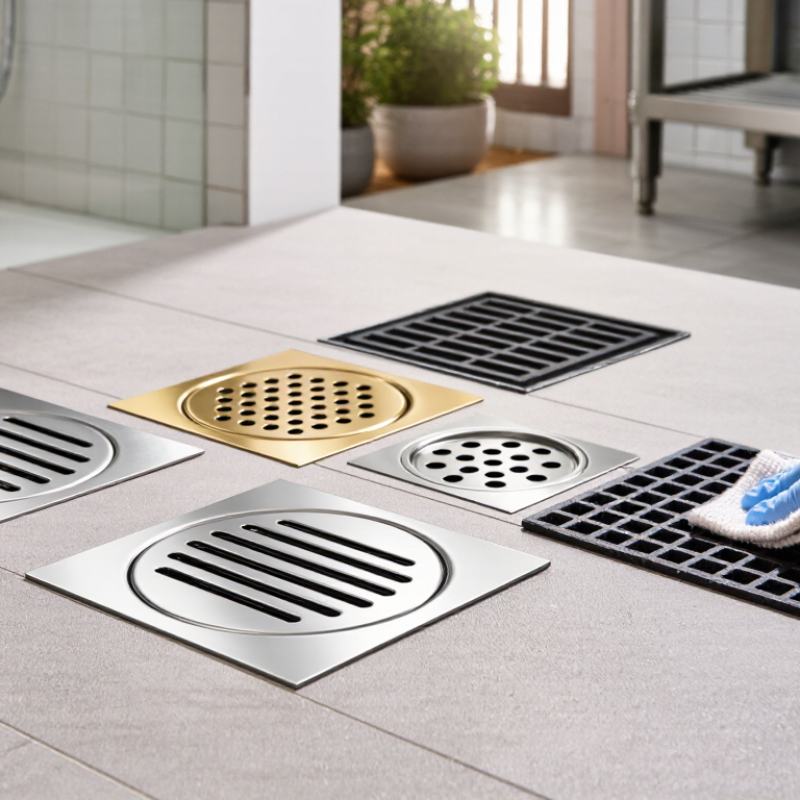
A floor drain cover is the visible grate fitted over a drainage opening. It supports foot traffic while allowing water, hair, and small debris to enter the pipe. Underneath, a drain body guides wastewater toward a trap. The trap holds a water seal that blocks sewer gases from returning indoors. Some systems use a trap primer to replace evaporated water. This matters in dry, warm rooms.
The mechanism is simple, but sizing is not. A cover with narrow slots may reduce debris entry, yet it can slow drainage during heavy flow. A larger opening drains faster but may catch loose jewelry or small objects.
ASME A112.6.3 covers performance requirements for floor and trench drains, including dimensions, materials, and load considerations. Buyers should also check the installation surface, expected traffic, and outlet diameter. A basement utility room needs different protection from a hotel shower.
The WHO and UNICEF Joint Monitoring Programme reported that 3.5 billion people lacked safely managed sanitation services in 2022. That figure shows why reliable drainage details still matter globally.
In practical use, stainless steel resists corrosion, while plastic can reduce cost and weight. Neither choice is perfect. Poor alignment can leave water around the grate. A slightly sloped floor, removable basket, and easy-clean surface often improve daily performance more than decorative patterns.
Choosing a floor drain cover in 2026 starts with material, not appearance. Stainless steel resists rust and suits humid bathrooms, kitchens, and coastal buildings. Brass offers a warmer look but needs regular cleaning to control tarnish. Plastic is lightweight and economical, yet it may deform under heat or heavy use. In my installation experience, thicker metal does not always mean better performance. The drainage environment matters more.
Design affects cleaning, water flow, and daily comfort. Square covers suit common shower layouts, while linear drains create a cleaner floor line. Tile-insert designs can blend with stone or ceramic surfaces, but narrow gaps may collect hair and soap. Removable grates make maintenance easier. Small details matter. Check whether the frame includes a lifting tool or a removable basket.
Measure carefully before ordering. A 100-millimeter cover may not fit a 100-millimeter drain opening, because frame dimensions and outlet dimensions differ. Confirm the visible size, installation depth, outlet position, and tile thickness. Load ratings also require attention. Pedestrian areas need a different rating from garages, service corridors, or delivery zones. Review the stated test standard and supporting documents, rather than trusting a printed label alone. I once focused too heavily on appearance and overlooked floor support. That mistake was avoidable. A stable base, accurate slope, and slip-resistant surface often determine real-world performance.
| Category | Option / Specification | Typical Dimensions or Rating | Key Advantages | Recommended Applications | Important Buying Considerations |
|---|---|---|---|---|---|
| Material Selection | |||||
| Material | 304 Stainless Steel | Common sheet thickness: 1.0–2.0 mm | Good corrosion resistance, clean appearance, easy maintenance, and suitable strength for indoor wet areas | Bathrooms, kitchens, balconies, laundry rooms, and commercial washrooms | Confirm the actual stainless-steel grade and thickness; avoid prolonged exposure to high chloride or coastal environments without additional protection |
| Material | 316 Stainless Steel | Common sheet thickness: 1.0–2.0 mm | Higher resistance to chlorides and saltwater than 304 stainless steel | Coastal properties, swimming-pool areas, marine facilities, and chemical-exposure environments | Usually costs more than 304 stainless steel; welding and surface finishing quality still affect long-term corrosion performance |
| Material | Ductile Iron | Typical casting thickness: approximately 6–12 mm, depending on design and load class | High impact resistance, strong load-bearing performance, and long service life in trafficable areas | Garages, service yards, loading areas, roads, and industrial floors | Check protective coating, drainage frame support, corrosion allowance, and compliance with the required EN 124 load class |
| Material | Cast Iron | Typical casting thickness: approximately 6–12 mm, depending on design and load class | Strong, durable, and widely used for heavy-duty drainage installations | Industrial floors, plant rooms, external paved areas, and utility zones | Heavier than stainless steel or plastic; inspect coating condition and ensure the supporting frame is properly bedded |
| Material | Brass | Common cover thickness: approximately 2–4 mm | Decorative appearance, good machinability, and satisfactory corrosion resistance in many indoor applications | Hotels, residential bathrooms, heritage-style interiors, and decorative floor installations | Verify alloy composition, surface finish, and compatibility with cleaning chemicals; not normally selected for heavy vehicle loads |
| Material | ABS or Polypropylene | Typical molded thickness: approximately 2–5 mm | Lightweight, economical, chemically resistant, and easy to install | Residential bathrooms, utility rooms, temporary installations, and low-load areas | Suitable mainly for pedestrian or light-duty use; check temperature resistance, UV exposure, and deformation risk |
| Design and Functional Features | |||||
| Design | Square Grated Cover | Common face sizes: 100 × 100 mm, 150 × 150 mm, 200 × 200 mm, 300 × 300 mm | Efficient surface drainage and easy visual alignment with square tiles | Bathrooms, showers, kitchens, commercial washrooms, and tiled floors | Measure the frame opening rather than relying only on the visible cover size |
| Design | Round Grated Cover | Common diameters: 75 mm, 100 mm, 150 mm, and 200 mm | Simple installation and good resistance to corner damage | Utility rooms, balconies, plant rooms, and circular pipe outlets | Confirm the outside diameter, outlet diameter, and available installation depth |
| Design | Tile-Insert or Recessed Cover | Typical tile recess depth: 10–20 mm | Allows the cover to blend with surrounding tiles and improves visual continuity | Bathrooms, hotel projects, luxury residential interiors, and accessible shower areas | Tile thickness must match the recess depth; include lifting access for cleaning and maintenance |
| Design | Linear Slot Drain Cover | Typical widths: 70–150 mm; common lengths: 600–1200 mm or custom lengths | Modern appearance, continuous drainage line, and convenient installation near walls or shower zones | Walk-in showers, wet rooms, swimming-pool surrounds, and commercial washrooms | Check channel slope, outlet position, waterproofing detail, and cleaning access |
| Design | Anti-Odor Cover with Water Trap or Membrane | Typical outlet sizes: 50 mm, 75 mm, and 100 mm | Helps reduce sewer odors and limits insect entry when correctly installed | Bathrooms, kitchens, basements, and low-use drainage points | Maintain access for trap or membrane cleaning; verify that the seal does not restrict required flow |
| Design | Anti-Slip Grating | Surface may use perforated, louvered, or textured patterns | Improves underfoot traction in wet conditions | Public washrooms, pool decks, commercial kitchens, ramps, and industrial wet areas | Check edge sharpness, hole size, cleanability, and slip performance under local requirements |
| Design | Removable Locking Cover | Locking hardware varies by cover size and load class | Reduces unauthorized removal and helps prevent rattling or displacement | Public areas, commercial buildings, transport facilities, and external service zones | Ensure tools are available for authorized maintenance and that locking parts resist corrosion |
| Common Sizes and Compatibility | |||||
| Nominal Outlet Size | 50 mm | Common in compact shower and bathroom drains | Space-saving and suitable for low-to-moderate residential drainage flow | Small bathrooms, showers, and utility areas | Confirm actual pipe outside diameter, trap configuration, and local plumbing connection method |
| Nominal Outlet Size | 75 mm | Intermediate drainage connection | Provides more drainage capacity than many compact 50 mm systems | Residential wet rooms, balconies, and light commercial areas | Check connection depth and whether an adaptor is needed for local pipe standards |
| Nominal Outlet Size | 100 mm | Common general-purpose drainage connection | Suitable for many floor drains and higher-flow applications | Commercial washrooms, kitchens, garages, plant rooms, and external paved areas | Match the outlet, trap, grate, and waterproofing system; do not size by cover dimensions alone |
| Face Size | 100 × 100 mm to 150 × 150 mm | Compact cover format | Fits smaller floor areas and works well with common tile modules | Residential bathrooms and shower rooms | Available open area may be limited; compare drainage flow rate and debris resistance |
| Face Size | 200 × 200 mm to 300 × 300 mm | Medium cover format | Provides a larger drainage area and improved access for cleaning | Commercial washrooms, kitchens, balconies, and utility rooms | Use a rigid frame and level bedding to prevent movement, rocking, or tile cracking |
| Face Size | 300 × 300 mm and above | Large-format cover or access grate | High drainage area and convenient maintenance access | Industrial floors, plant rooms, loading areas, and large wet zones | Check structural support, deflection, lifting weight, and required load classification |
| Load Ratings Based on EN 124 Classification | |||||
| Load Class | A15 | Test load: 15 kN; approximately 1.5 tonnes-force | Pedestrian / Light Duty | Pedestrian areas, domestic driveways, landscaped areas, and locations with no regular vehicle traffic | Not intended for roads, forklift routes, or heavy vehicle access; installation support remains essential |
| Load Class | B125 | Test load: 125 kN; approximately 12.5 tonnes-force | Medium Duty | Footways, pedestrian zones, car parks, and residential driveways | Suitable only where traffic conditions remain within the intended application; confirm local code requirements |
| Load Class | C250 | Test load: 250 kN; approximately 25 tonnes-force | Heavy Duty | Kerbside channels, commercial service areas, and locations exposed to occasional vehicle loading | Positioning within the traffic zone matters; use a correctly supported frame and stable surrounding pavement |
| Load Class | D400 | Test load: 400 kN; approximately 40 tonnes-force | Very Heavy Duty | Roadways, industrial yards, loading areas, and areas with frequent heavy vehicle traffic | Requires professional installation, suitable bedding, adequate frame support, and compliance with local regulations |
| Selection Checklist for Global Buyers | |||||
| Drainage Performance | Open Area and Flow Capacity | Compare open grate area, outlet size, and published flow rate where available | Helps reduce ponding during peak water discharge | Showers, commercial kitchens, plant rooms, and stormwater applications | A larger cover does not automatically mean higher flow; grate pattern and trap design also affect performance |
| Installation | Frame, Waterproofing, and Level Adjustment | Check frame depth, flange width, adjustable legs, and membrane compatibility | Improves sealing, alignment, and long-term stability | Tile floors, wet rooms, balconies, and concrete floors | Coordinate the drain with the waterproofing system before floor finishes are installed |
| Maintenance | Removability and Debris Access | Lift-out or tool-assisted access should be available where regular cleaning is expected | Reduces blockage risk and simplifies inspection | Bathrooms, kitchens, public washrooms, and industrial drainage points | Avoid permanently sealed covers unless maintenance access is provided elsewhere |
| Compliance | Testing and Documentation | Request load-test information, material specifications, dimensions, and installation instructions | Supports project approval and consistent international procurement | Commercial, public, industrial, and infrastructure projects | EN 124 classifications describe load performance; local building, plumbing, accessibility, and hygiene rules may also apply |
Matching a floor drain cover to its environment requires more than checking its outer size. Measure the drain opening, frame depth, outlet position, and available installation height. A few millimeters can create movement, standing water, or weak support. In bathrooms, choose a corrosion-resistant cover with narrow, safe openings. It should handle hair, soap residue, and frequent cleaning without trapping debris.
Commercial kitchens need stronger drainage performance. Select a cover with a suitable load rating, slip-resistant surface, and easy-lift design for routine sanitation. For balconies and outdoor areas, check UV exposure, rainfall intensity, temperature changes, and surface drainage direction. Stainless steel may perform well, but material grade and fabrication quality still matter.
In garages, workshops, and loading zones, match the cover to expected wheel loads rather than its appearance. It must sit firmly inside a properly supported frame.
In field inspections, installers often discover that the drain cover is not the real problem. Poor floor slope, uneven mortar, or an undersized trap can limit performance. I have seen attractive covers fail because their drainage openings were too small. That mistake is easy to make. Before ordering, compare the product drawing with site measurements and confirm flow requirements with a qualified installer. Local construction and hygiene requirements may also affect the acceptable design, especially in public or industrial spaces. A practical choice should balance drainage, safety, cleaning access, and long-term maintenance.
For global buyers, a floor drain cover must match local standards and actual site conditions. EN 1253 covers drainage gullies in many European markets, while ASME A112.6.3 addresses floor and trench drains in North America. Check the required load class, not only the advertised material. A cover for a hotel bathroom differs from one exposed to forklifts. It should resist slipping, retain its frame, and allow safe cleaning.
Sanitation affects public health. The WHO and UNICEF Joint Monitoring Programme reported that 3.5 billion people lacked safely managed sanitation in 2022. A poor drain connection can worsen odors, standing water, and hygiene risks. Select a cover with a tested water-flow rate, a reliable trap or membrane seal, and openings that limit debris entry. Small details matter.
Request test reports, material certificates, and dimensional drawings. For stainless steel, verify the grade, thickness, weld quality, and corrosion resistance. ISO’s 2023 Survey recorded more than 1.2 million ISO 9001 certificates worldwide, but certification alone does not prove product performance. Inspect samples yourself. Check sharp edges, rocking frames, blocked slots, and inconsistent polishing. A factory video is useful, but it is not evidence of every batch. Some buyers overlook installation tolerance. That mistake can be expensive.
When global buyers compare floor drain cover suppliers, a polished catalog is not enough. Request material certificates, load ratings, surface treatment details, and dimensional drawings. A reliable supplier should explain production tolerances clearly. Ask for recent samples, not only edited photographs. Check welding, drainage openings, edge finishing, and packaging protection by hand. Factory audits, video inspections, and verified trade records can reduce uncertainty. Still, paperwork may hide weak process control.
Compare the full cost, including tooling, samples, minimum order quantities, inland transport, export packing, and possible import charges. The lowest unit price can become expensive after delays or damaged cartons. Confirm shipping terms, lead times, pallet sizes, and container loading plans in writing. Small covers may seem easy to ship, but poor stacking can bend their edges. After-sales support also matters. Set response times for defects, replacement rules, inspection evidence, and refund procedures before payment. Ask whether spare covers can be shipped with later orders. A practical supplier should provide installation guidance and solve reasonable problems without blaming the buyer. My comparison table is never perfect; freight rates change, and estimated duties may be wrong. Leave a cost buffer and review assumptions before placing a large order.
Stainless steel resists rust in damp spaces. Check its grade, thickness, welds, and surface quality. Material alone is not enough.
Brass provides a warmer appearance and can suit decorative interiors. It needs regular cleaning because tarnish may develop. Looks can mislead.
Plastic is lightweight and economical for moderate use. Avoid it near high heat or heavy loads. It may deform over time.
Removable grates support easier cleaning. A lifting tool or removable basket is helpful. Narrow slots can collect hair and soap.
Measure the opening, frame depth, outlet position, installation height, and tile thickness. A stated size may not match the visible opening. Measure twice.
Choose suitable load support, slip resistance, strong drainage, and easy lifting. Regular sanitation requires quick access. A pretty cover may still fail.
Check sunlight, rainfall, temperature changes, and drainage direction. The frame must remain stable on the finished surface. Water flow matters.
Pedestrian areas need less support than garages or delivery zones. Match the cover to expected wheel loads. Printed labels need evidence.
Request material certificates, test reports, and dimensional drawings. Inspect samples for sharp edges, rocking frames, blocked slots, and uneven polishing.
Poor slope, uneven mortar, weak support, or an undersized trap can cause standing water. I once focused too much on appearance. That mistake was avoidable.
This 2026 buying guide explains what a Floor Drain Cover is, how it directs wastewater, and why its structure matters for safe, efficient drainage. It compares common materials such as stainless steel, cast iron, brass, and durable polymers, while explaining surface designs, outlet compatibility, dimensions, anti-slip features, and load ratings. Buyers will learn how to select suitable covers for bathrooms, kitchens, basements, commercial facilities, outdoor areas, and industrial spaces according to moisture levels, traffic, cleaning needs, and installation conditions.
The guide also introduces key global standards, safety considerations, corrosion resistance checks, dimensional inspections, and drainage performance tests that can help verify product quality. It offers practical advice for comparing suppliers, including customization capabilities, minimum order quantities, pricing, packaging, shipping arrangements, lead times, documentation, warranty terms, and after-sales support. By reviewing these factors together, global buyers can reduce installation risks, control total purchasing costs, and choose a reliable Floor Drain Cover solution for long-term use.
